
Olduvai Gorge Tanzania is one of the most important archaeological and palaeoanthropological sites in northern Tanzania. Located within the Ngorongoro Conservation Area, the gorge contains fossils, stone tools, animal remains and geological evidence that help researchers understand ancient life, early hominins and human evolution.
Olduvai Gorge also has a strong connection with famous researchers such as Mary Leakey and Louis Leakey, whose work helped bring international attention to the site. Today, visitors can learn about fossils, ancient stone tools, geological layers and the discoveries that have shaped our understanding of the distant human past.
Because of its location between the Ngorongoro area and the Serengeti, Olduvai Gorge fits naturally into a northern Tanzania safari. Travelers can combine a visit with Ngorongoro Crater, Serengeti National Park, Laetoli, and other nearby attractions, creating an experience that brings together archaeology, history, wildlife and Tanzania’s remarkable landscapes.
Where Is Olduvai Gorge Located?
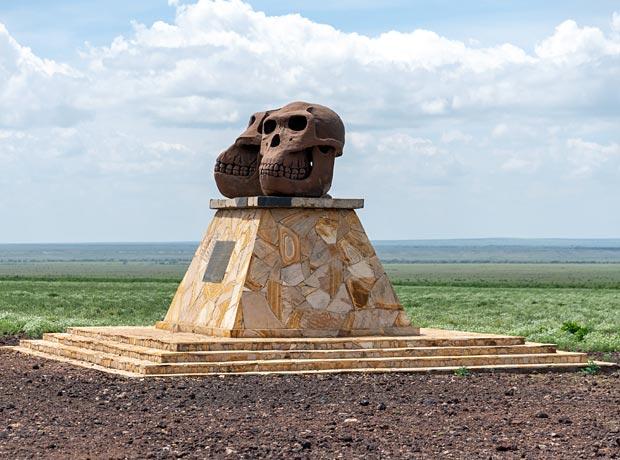
Olduvai Gorge is located in northern Tanzania within the Ngorongoro Conservation Area. Its position places it between the Ngorongoro area and the Serengeti, making it a practical stop on many northern Tanzania safari routes.
The site sits within a landscape that also supports important wildlife experiences. Because of this location, travelers can combine an Olduvai Gorge visit with destinations such as Ngorongoro and Serengeti.
However, the exact distance and travel time depend on the starting point, road conditions and stops along the safari route. Wildlife viewing and weather can also influence the journey.
What Is Olduvai Gorge?
Olduvai Gorge is an important archaeological and palaeoanthropological site in Tanzania. The gorge contains exposed geological layers where researchers have studied fossils, stone tools and other evidence from the distant past.
Moreover, the different layers preserve evidence from different periods. This allows researchers to study changes in ancient environments, animals and early hominins over long periods of time.
For visitors, the site provides an opportunity to connect Tanzania’s natural landscape with the scientific study of ancient life and human evolution.
Why Is Olduvai Gorge Important?
Olduvai Gorge is important because discoveries from the area have contributed greatly to archaeology and the study of human evolution. Researchers have recovered fossils, stone tools and other evidence from different geological layers.
The site has also helped scientists investigate the environments in which early hominins lived. In addition, animal fossils and evidence from the surrounding landscape provide additional information about the past.
Its importance therefore comes from many discoveries rather than one single finding. Together, these discoveries have helped researchers reconstruct parts of the ancient history of East Africa.
Olduvai Gorge and Human Evolution
Olduvai Gorge has an important connection with the study of early hominins and human evolution. Fossil evidence from the area has helped researchers investigate ancient human relatives and their environments.
Stone tools found at the site are also important because they provide evidence of early technological activities. When researchers study fossils, tools and environmental evidence together, they can develop a broader understanding of the past.
However, Olduvai should not be described simply as the place where humans began. Human evolution occurred across a much wider geographic area, with important evidence found in different parts of Africa and beyond.
Who Discovered Olduvai Gorge?
The history of Olduvai research involves several researchers and archaeological teams rather than one person who simply discovered the gorge. Local communities and earlier visitors already knew the landscape before modern archaeological research developed there.
Later, the site attracted scientific interest, leading to archaeological and palaeoanthropological investigations. Researchers including Mary Leakey and Louis Leakey became strongly associated with important work at Olduvai.
Meanwhile, later archaeological teams continued studying the area and its evidence. Their work has helped expand knowledge of the fossils, stone tools and ancient environments preserved at the site.
Mary Leakey and Olduvai Gorge
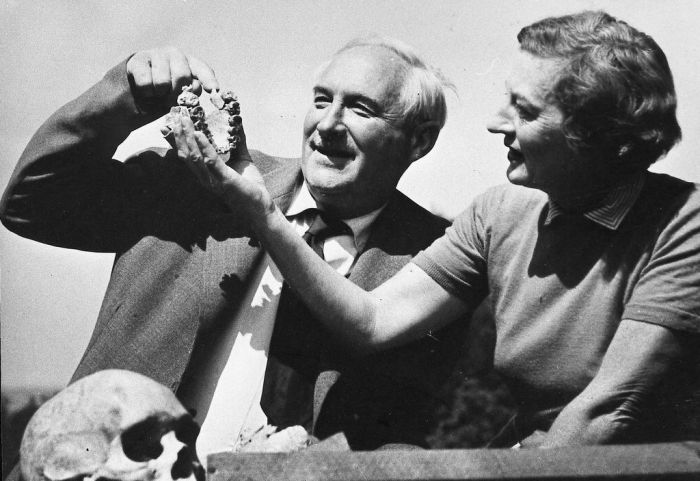
Mary Leakey is strongly associated with archaeological research at Olduvai Gorge. Her work included excavation, fossil discoveries and the study of stone tools found in the area.
Her research contributed to a better understanding of early human history and ancient environments. Furthermore, her work at Olduvai helped establish the site as an important location for palaeoanthropological research.
Today, Mary Leakey remains an important name in the history of Olduvai research. Her work is part of the story visitors can learn about when exploring the site.
Louis Leakey and Olduvai Gorge
Louis Leakey also played an important role in research connected with Olduvai Gorge. His archaeological and palaeoanthropological work helped increase scientific interest in the area.
His research and publications contributed to wider discussions about early humans and human evolution in East Africa. In addition, the broader Leakey family’s work became closely connected with archaeological research in the region.
The history of Olduvai therefore includes several generations of researchers whose studies have continued to influence our understanding of the ancient past.
What Fossils Were Found at Olduvai Gorge?
Olduvai Gorge has produced important fossil evidence associated with early hominins and animals. These discoveries have helped researchers study the biological and environmental history of the area.
Among the hominin fossils associated with Olduvai research are Paranthropus boisei and Homo habilis. Other hominin remains and animal fossils have also contributed to research at the site.
However, the interpretation of fossils can change as new discoveries and scientific studies emerge. For this reason, Olduvai remains an active area of archaeological and scientific research.
What Is Paranthropus boisei?
Paranthropus boisei was an early hominin known for its robust skull and strong adaptations for chewing. Fossils associated with this species have played an important role in research into early hominins.
The species is also historically connected with the name “Zinj” in early Olduvai research. Its remains provide researchers with evidence about the diversity of early hominins that lived in East Africa.
Therefore, studying Paranthropus boisei alongside other fossils helps scientists understand that human evolution involved different hominin groups living at different times.
What Is Homo habilis?
Homo habilis is another early hominin associated with research at Olduvai Gorge. Fossils attributed to this species have contributed to discussions about early members of the genus Homo.
The species is also connected with research into early stone-tool technology. However, the classification of early Homo fossils remains an area of scientific discussion.
For travelers, learning about Homo habilis provides useful context for understanding why Olduvai Gorge is important in the study of human evolution.
What Stone Tools Were Found at Olduvai Gorge?
Stone tools are another major reason Olduvai Gorge is important to archaeology. Researchers have studied simple stone tools that provide evidence of early technological activities.
These tools could have supported activities such as cutting and processing materials. As a result, their presence helps researchers investigate how early hominins interacted with their environment.
The archaeological tradition known as Oldowan takes its name from Olduvai Gorge. Consequently, the site holds a special place in the history of archaeological research.
What Is the Oldowan Stone Tool Industry?
The Oldowan refers to an early stone-tool technology associated with simple manufactured stone tools. Archaeologists study the shape, manufacture and use of these tools to understand ancient human behavior.
The technology includes relatively simple stone implements made by striking stones to produce useful edges and fragments. These tools provide evidence of technological behavior in the distant past.
The Oldowan tradition is especially important because its name comes from Olduvai Gorge. Therefore, research into these tools has helped archaeologists investigate early technology and behavior.
How Old Is Olduvai Gorge?
Understanding the age of Olduvai Gorge requires looking at its geological layers rather than assigning one age to the entire gorge.
Different layers contain evidence from different periods. Researchers use these layers to study fossils, stone tools and environmental changes through time.
This layered geological record is one reason Olduvai is scientifically valuable. As a result, researchers can investigate how landscapes, animals and hominins changed over long periods.
What Can You See at Olduvai Gorge?
Visitors can experience the gorge landscape and learn about the archaeological discoveries made in the area. The exposed geological layers provide an important part of the visual experience.
Depending on the visitor facilities available, travelers may also see archaeological information, fossil and stone-tool displays, museum exhibits and educational interpretation.
The surrounding landscape adds another part to the experience. Since Olduvai is located along the northern Tanzania safari circuit, visitors can also combine the archaeological experience with wildlife viewing elsewhere on their itinerary.
What Is the Olduvai Gorge Museum?
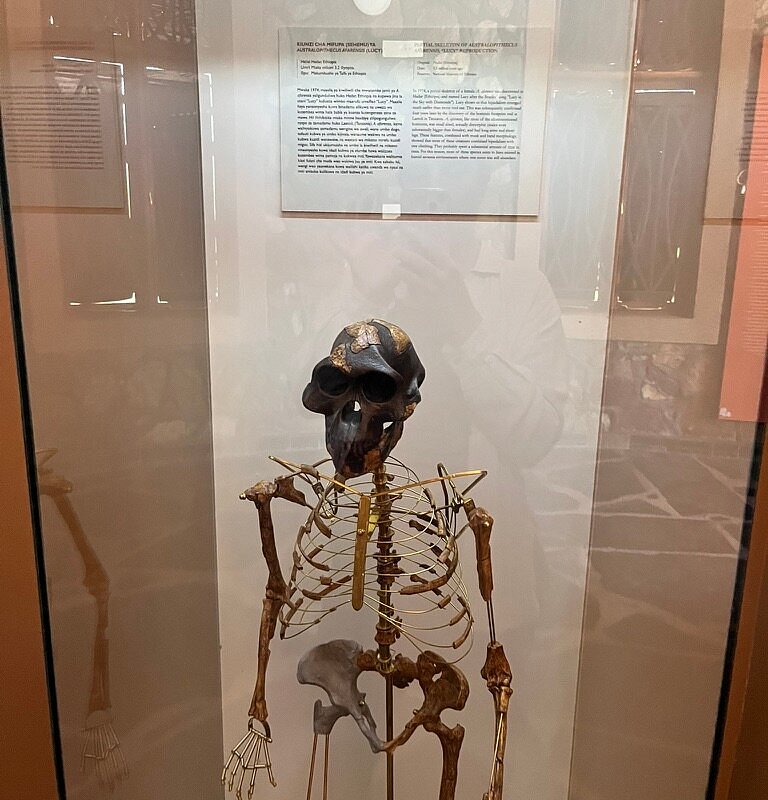
The Olduvai Gorge Museum provides visitors with an opportunity to learn more about the site’s archaeological and palaeoanthropological importance.
Displays can help explain fossils, stone tools, human evolution and the research carried out at Olduvai. In addition, educational information can make the scientific history easier for visitors to understand.
Visitors should check current opening hours, available facilities and applicable fees before traveling because tourism services and visitor information can change.
What Places Are Near Olduvai Gorge?
Olduvai Gorge sits in an area with several important natural, archaeological and wildlife attractions. Travelers can combine the gorge with some of these destinations when planning a northern Tanzania safari.
Ngorongoro Crater
The Ngorongoro Crater is one of the best-known attractions near Olduvai Gorge. The crater provides an opportunity to see a wide range of wildlife within a dramatic volcanic landscape.
Travelers often combine Ngorongoro Crater and Olduvai Gorge because both attractions fit naturally into the same northern Tanzania safari route.
Serengeti National Park
Serengeti National Park lies close to Olduvai Gorge and forms another major part of many safari itineraries. The park is famous for its large wildlife populations and the annual wildebeest migration.
A traveler can therefore combine the archaeological experience at Olduvai with game drives in the Serengeti.
Laetoli
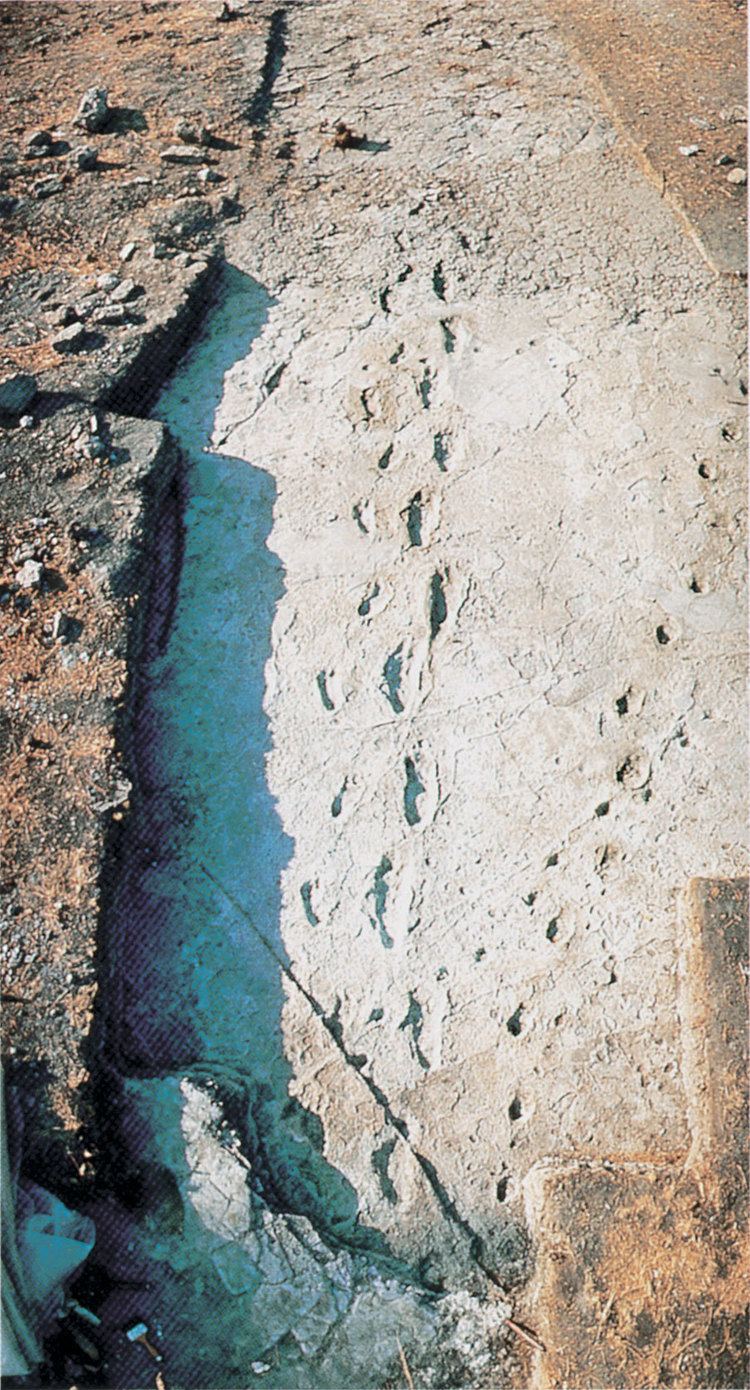
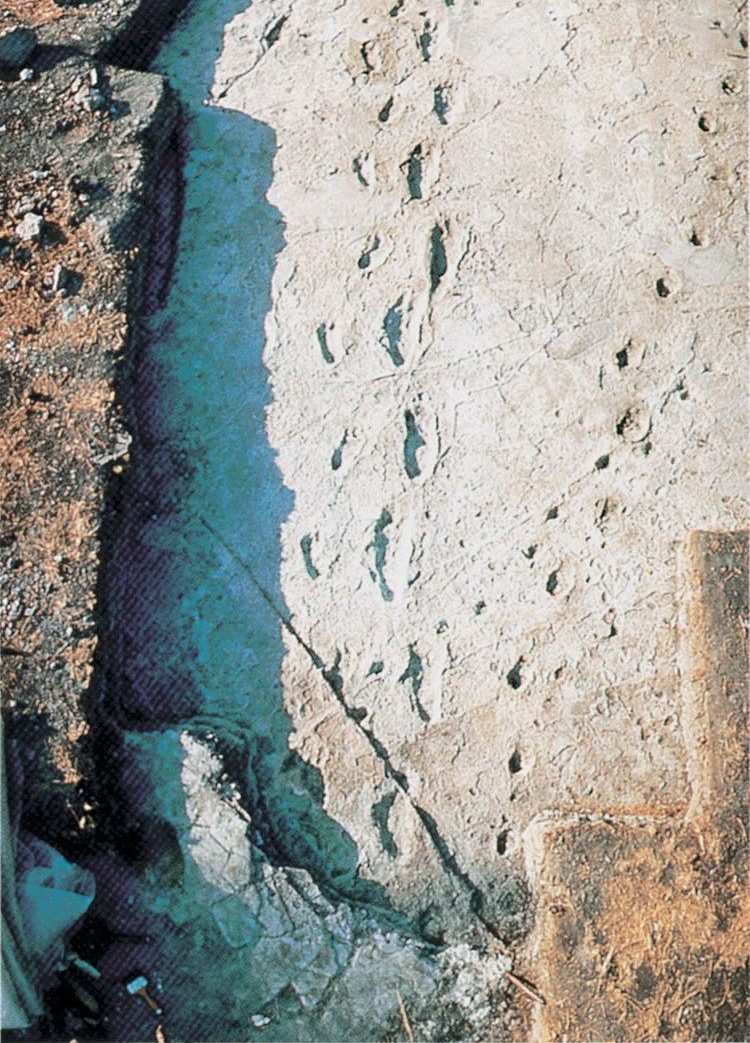
Laetoli is another important archaeological site in northern Tanzania. It is particularly famous for ancient hominin footprints preserved in volcanic deposits.
Olduvai and Laetoli provide different types of archaeological evidence. Visiting or learning about both sites can give travelers a broader understanding of early human history in Tanzania.
The Shifting Sands
The Shifting Sands are a distinctive volcanic ash formation found in the wider Ngorongoro landscape. The dark sand forms a striking feature against the surrounding environment.
Travelers interested in geology and unusual natural features can consider including this attraction when their safari route allows.
Ndutu Area
The Ndutu area lies in the wider ecosystem between the Ngorongoro Conservation Area and Serengeti. It is particularly well known for wildlife viewing during the wildebeest calving season.
Depending on the season and safari route, travelers can combine an Olduvai visit with a trip through the Ndutu area.
How to Visit Olduvai Gorge
Olduvai Gorge is commonly visited as part of a northern Tanzania safari. Its location makes it possible to include the site when traveling between the Ngorongoro area and Serengeti.
A possible itinerary can include:
Arusha → Tarangire → Ngorongoro → Olduvai Gorge → Serengeti
Another option is:
Arusha → Ngorongoro → Olduvai Gorge → Serengeti
Ultimately, the best route depends on the length of the safari, accommodation and the other destinations included in the itinerary.
How Far Is Olduvai Gorge From Ngorongoro?
Olduvai Gorge is located within the wider Ngorongoro Conservation Area, making it possible to include it in a safari that visits Ngorongoro.
The actual road distance and travel time depend on the starting point and route. Furthermore, road conditions, safari stops, wildlife viewing and weather can also affect the journey.
For this reason, travelers should treat driving times as approximate rather than fixed.
How Far Is Olduvai Gorge From Serengeti?
Olduvai Gorge is positioned conveniently for travelers moving between the Ngorongoro area and Serengeti. Therefore, it is possible to include an archaeological visit within a wider wildlife safari.
The actual travel time depends on the entrance or accommodation area being used in Serengeti, road conditions and stops along the way.
This location is one reason Olduvai is commonly included in northern Tanzania safari itineraries.
How Much Does It Cost to Visit Olduvai Gorge?
The cost of visiting Olduvai Gorge can depend on the applicable conservation charges, museum or site fees and guide arrangements.
Some travelers visit as part of an organized safari package, so certain costs may already form part of the overall safari price.
Always check the current official tariff and your safari quotation before traveling because fees and package inclusions can change.
What Is the Best Time to Visit Olduvai Gorge?
Olduvai Gorge is primarily an archaeological and educational attraction, so the ideal time to visit can depend on the wider safari itinerary.
The dry and green seasons can provide different travel conditions, while rainfall may affect roads and driving times. Therefore, weather should also be considered when planning the journey.
Many travelers combine Olduvai with Ngorongoro and Serengeti. In that case, the best timing can also depend on the wildlife experiences they want to include.
How Long Do You Need at Olduvai Gorge?
Many travelers visit Olduvai Gorge as a stop during a larger Tanzania safari rather than spending several days specifically at the site.
A visit can include time for the museum, archaeological interpretation, gorge viewpoints and learning about the discoveries made in the area.
In addition, combining Olduvai with Ngorongoro or Serengeti can make the visit part of a broader itinerary that includes both archaeological and wildlife experiences.
What Should You Bring to Olduvai Gorge?
Consider bringing:
- Comfortable walking shoes
- Hat
- Sunglasses
- Sunscreen
- Water
- Camera
- Binoculars if combining the visit with wildlife viewing
- Light clothing
- Warm layer depending on the season
Comfortable clothing is useful because visitors may spend time walking around the site and viewing the surrounding landscape.
Is Olduvai Gorge Worth Visiting?
Olduvai Gorge can be particularly interesting for travelers who enjoy history, archaeology and human evolution. It can also provide an educational experience for families, students and visitors interested in the ancient past.
Anthropology students and archaeology enthusiasts may find the site’s discoveries especially interesting. At the same time, photographers can enjoy the dramatic landscape around the gorge.
Travelers whose main interest is wildlife may prefer to combine Olduvai with Ngorongoro and Serengeti. This creates a broader safari experience rather than making Olduvai the only destination.
Olduvai Gorge vs Laetoli
Olduvai Gorge and Laetoli are both important archaeological locations in Tanzania, but they are known for different types of evidence.
| Feature | Olduvai Gorge | Laetoli |
|---|---|---|
| Main importance | Fossils, archaeology and stone tools | Ancient hominin footprints |
| Location | Ngorongoro Conservation Area | Northern Tanzania |
| Famous evidence | Hominin fossils and Oldowan tools | Hominin footprints |
| Tourism | Often visited during northern safari | Access can be more specialized |
Understanding the difference between the two sites helps travelers appreciate the variety of archaeological evidence found in northern Tanzania.
Interesting Facts About Olduvai Gorge
Here are some important facts to remember:
- The Oldowan archaeological tradition is named after Olduvai.
- The site contains multiple geological layers.
- Fossils of hominins and animals have been recovered.
- Mary and Louis Leakey conducted major research there.
- Olduvai is important for understanding ancient environments.
- It is located along the northern Tanzania safari circuit.
- Olduvai lies within the Ngorongoro Conservation Area.
- Travelers can combine Olduvai with Ngorongoro and Serengeti.
- Laetoli provides another important archaeological connection in northern Tanzania.
- The site combines archaeological interest with a dramatic natural landscape.
Together, these facts help show why Olduvai Gorge is important not only as a tourist attraction but also as a major archaeological research site.
Frequently Asked Questions About Olduvai Gorge
1. Where is Olduvai Gorge located?
Olduvai Gorge is located in northern Tanzania within the Ngorongoro Conservation Area, between the Ngorongoro area and Serengeti.
2. What is Olduvai Gorge famous for?
Olduvai Gorge is famous for archaeological and palaeoanthropological discoveries, including hominin fossils and stone tools that have contributed to research into human evolution.
3. Why is Olduvai Gorge important to human evolution?
The site contains fossil, archaeological and environmental evidence that has helped researchers study early hominins, technology and ancient environments.
4. Who discovered Olduvai Gorge?
The history of Olduvai research involves several researchers and archaeological teams. Mary Leakey and Louis Leakey became particularly well known for their research at the site.
5. What fossils were found at Olduvai Gorge?
Fossils associated with Olduvai research include Paranthropus boisei, Homo habilis, other hominin remains and animal fossils.
6. What is the Oldowan tool industry?
The Oldowan is an early stone-tool tradition associated with simple stone tools. Its name comes from Olduvai Gorge.
7. How old is Olduvai Gorge?
Olduvai contains geological layers from different periods, so the site should not be treated as having one single age. The different layers preserve evidence from different periods of the past.
8. Can you visit Olduvai Gorge on a Tanzania safari?
Yes. Olduvai can be included in a northern Tanzania safari, particularly in itineraries connecting Ngorongoro and Serengeti.
9. What places can you visit near Olduvai Gorge?
Travelers can combine Olduvai Gorge with attractions such as Ngorongoro Crater, Serengeti, Laetoli, the Shifting Sands and the Ndutu area, depending on their safari route.
10. How much does it cost to visit Olduvai Gorge?
The cost depends on current site or conservation charges, applicable museum fees and whether the visit is already included in a safari package.
11. Is Olduvai Gorge worth visiting?
Olduvai can be an interesting addition to a Tanzania safari for travelers interested in archaeology, history, human evolution and ancient environments. It can be especially convenient when combined with Ngorongoro and Serengeti.
Conclusion
Exploring Olduvai Gorge Tanzania gives travelers an opportunity to discover an important part of the country’s archaeological and scientific heritage. Fossils, stone tools and geological evidence have helped researchers learn more about ancient environments and human evolution.
The site also fits naturally into a northern Tanzania safari because of its location within the Ngorongoro Conservation Area. Therefore, travelers can combine an Olduvai visit with Ngorongoro, Serengeti, Laetoli and other nearby attractions for an experience that brings together archaeology, landscapes and wildlife.
For anyone interested in the deeper history of Tanzania, Olduvai Gorge offers a different experience from a traditional game drive. Instead, it is a place where the landscape becomes part of a much older story about life, technology and human evolution.
