
Serengeti National Park is one of the most famous wildlife destinations in the world, and its reputation is well earned. In fact, this vast park in northern Tanzania supports enormous herds, healthy predator populations, and landscapes that have barely changed in over a million years. Best of all, its fame rests on real substance rather than marketing alone.
Interesting facts about Serengeti National Park cover far more than just the Great Migration. For example, the park’s name, history, geography, birdlife and rock formations all add depth to a visit that many travelers only associate with wildebeest herds. Because so many elements combine here, the Serengeti rewards curiosity as much as it rewards patience on a game drive.
This guide keeps things simple. First, you will learn where the Serengeti is, how it got its name, and why it became so famous. Then you will explore its wildlife, the Great Migration, its landscapes, nearby attractions, and answers to the most common questions travelers ask.
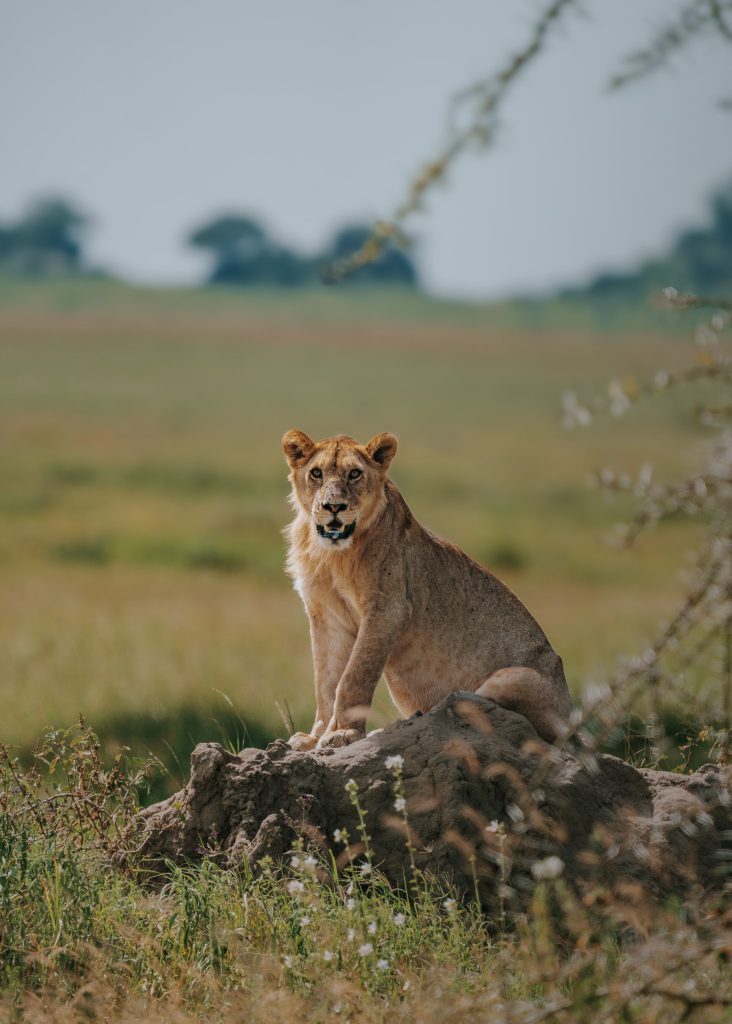
Where Is Serengeti National Park Located?
Serengeti National Park sits in northern Tanzania, bordering Kenya’s Maasai Mara National Reserve to the north. It forms the centerpiece of a much larger area known as the Serengeti ecosystem, which also includes the neighboring Ngorongoro Conservation Area, Maswa Game Reserve, and the Grumeti and Ikorongo Game Controlled Areas.
Because wildlife does not recognize park boundaries, animals move freely between these connected areas throughout the year. This is especially true during the Great Migration, when herds cross from Tanzania into Kenya and back again as they follow the rains.
How Large Is Serengeti National Park?
The park covers approximately 14,763 square kilometers (about 5,700 square miles), making it one of the largest and most significant protected areas in Africa. This size allows the Serengeti to support several distinct habitats within a single park, including open grassland plains, wooded savanna, riverine forest, and rocky outcrops.
Because of this variety, different parts of the Serengeti favor different animals and different safari experiences. A visitor exploring the southern plains sees a very different landscape from one touring the wooded western corridor.
The Meaning Behind the Name “Serengeti”
The name “Serengeti” comes from the Maasai word “Siringet,” which means “endless plains.” Anyone who has stood on the open grasslands of the southern Serengeti, with the horizon stretching unbroken in every direction, understands immediately why the Maasai chose this description.
This name reflects more than scenery. The open plains are also what make the ecosystem so productive, since the short grasses that grow here support the massive herbivore herds that, in turn, support the park’s predators.
The History Behind Serengeti National Park’s Establishment
The Serengeti’s conservation history stretches back to the 1920s, when the area was first given some protected status as a game reserve. It was formally established as a national park in 1951, reflecting growing recognition of the region’s ecological importance.
Since then, conservation efforts have expanded significantly, with international organizations and the Tanzanian government working together to protect both the park and the wider ecosystem from threats such as poaching, habitat loss and unplanned development.
What Are the Main Attractions in Serengeti National Park?
1. The Great Wildebeest Migration
The Great Wildebeest Migration is one of Serengeti’s most famous attractions. More than 1.5 million wildebeest move through the wider Serengeti ecosystem each year, accompanied by large numbers of zebras and gazelles as they search for fresh grazing and water.
The movement creates different wildlife experiences throughout the year, including calving areas, large herds on the plains, and dramatic river crossings in northern Serengeti.
2. The Big Five
The Big Five—lion, leopard, elephant, buffalo, and rhinoceros—are among the major wildlife attractions of Serengeti National Park.
Serengeti’s large open plains and different habitats provide opportunities to encounter these animals during game drives. TANAPA specifically lists the Big Five among the park’s key attractions.
3. Serengeti’s Large Wildlife Herds
Beyond the Big Five, Serengeti is known for its large populations of plains animals. Wildebeest, zebra, gazelles, eland, giraffes, and other herbivores can be encountered across different parts of the park.
These large herbivore populations also support Serengeti’s important predator populations, creating one of the ecosystem’s most interesting wildlife relationships.
4. The Serengeti Plains
The vast open grasslands are one of the most recognizable features of Serengeti. These plains provide grazing areas for large herbivore herds and create wide views for wildlife observation.
The landscape itself is also an attraction, with open grasslands, rolling areas, woodland, and rocky formations creating different safari scenes.
5. Serengeti Kopjes
Serengeti kopjes are large rocky granite formations rising above the surrounding plains. They add variety to the otherwise open landscape and create important habitats for wildlife.
Some kopjes are also associated with lion sightings and provide elevated viewpoints across the surrounding grasslands.
6. The Seronera Valley
The Seronera area is one of the best-known wildlife-viewing areas in central Serengeti. Its combination of grassland, woodland, and water sources supports a wide variety of animals.
Seronera also serves as an important safari base, with accommodation, roads, and an airstrip connecting the central Serengeti with other parts of the park. TANAPA lists Seronera among the park’s main air access points.
7. The Mara River
The Mara River is particularly important in northern Serengeti. It forms part of the landscape used by migrating wildebeest and other animals during their seasonal movements.
The river is also a habitat for crocodiles and other wildlife. TANAPA has designated and documented specific migration crossing areas along the Mara River and its tributaries.
8. The Grumeti River
The Grumeti River is another important waterway in the Serengeti ecosystem. It passes through the western part of the park and provides water and habitat for wildlife.
The river is also associated with seasonal wildlife movements and can offer opportunities to see crocodiles and other animals around the water.
9. The Western Corridor
The Western Corridor is known for its combination of grasslands, woodland, rivers, and wildlife. The area is particularly associated with the Grumeti River and seasonal movements of migrating animals.
Its landscapes differ from the more open plains of central Serengeti, giving visitors another perspective of the park.
10. Northern Serengeti
Northern Serengeti is known for its rolling landscapes, rocky areas, abundant wildlife, and proximity to the Mara River and the Kenya–Tanzania border.
During parts of the Great Migration, large herds move through this region before continuing their seasonal cycle.
11. Southern Serengeti and the Ndutu Area
The southern Serengeti and nearby Ndutu area are especially important during the wildebeest calving season. Large numbers of wildebeest gather here when fresh grass becomes available.
The area can also attract predators because young animals provide abundant prey during the calving period.
12. Serengeti Birdlife
Serengeti is also an important destination for bird watching. TANAPA reports more than 540 bird species recorded in the park, including resident and migratory species.
Birds commonly associated with Serengeti include storks, rollers, raptors, vultures, ostriches, bustards, and many smaller savanna species.
13. Rare and Endangered Wildlife
Serengeti is also important for the conservation of species that require special protection. TANAPA highlights rare and endangered species among the park’s attractions and notes conservation efforts involving black rhinoceros and African wild dogs.
Seeing these species can be more difficult than seeing common plains animals, but their presence adds to Serengeti’s conservation importance.
14. The Serengeti Sunset and Scenic Landscapes
Serengeti is not only about animals. Its wide horizons, golden grasslands, rocky kopjes, acacia trees, and changing skies create distinctive landscapes.
Sunrise and sunset can provide particularly scenic moments, especially when wildlife appears against the open plains.
What Makes the Serengeti Ecosystem So Special?
The Serengeti ecosystem is built around a delicate balance of grasslands, woodlands, rivers and seasonal water sources. Nutrient-rich volcanic soils, deposited by ancient eruptions from the nearby Ngorongoro highlands, support the short grasses that sustain massive grazing herds.
Rainfall patterns across the ecosystem are highly seasonal, which is precisely why the Great Migration exists in the first place. As grass grows and dries out in different regions throughout the year, herds are forced to keep moving in search of fresh grazing and reliable water.
Which Animals Are Commonly Seen in Serengeti?
The Serengeti supports an extraordinary range of wildlife. Commonly seen species include:
- Wildebeest
- Zebras
- Giraffes
- African elephants
- Cape buffaloes
- Hippos
- Topi and hartebeest
- Grant’s and Thomson’s gazelles
- Warthogs
- Spotted hyenas
Because the park hosts such large herbivore numbers, sightings of common grazing species are almost guaranteed on any safari.
The Big Five in Serengeti National Park
The Serengeti is one of the relatively few parks where visitors have a strong chance of seeing all of the Big Five: lion, leopard, elephant, buffalo and rhino.
Lions and elephants are seen regularly throughout the park, while leopards are more often spotted resting in trees along riverine areas such as the Seronera River. Buffalo herds are common across much of the park, but black rhino numbers remain very low, making rhino sightings the rarest of the five.
Understanding the Great Wildebeest Migration
The Great Migration is a continuous, year-round movement of wildebeest, zebra and gazelle across the Serengeti ecosystem. Estimates commonly cite around 1.5 million wildebeest taking part, alongside hundreds of thousands of zebra and gazelle.
The herds move in search of fresh grass and water, following seasonal rainfall in a rough clockwise circuit through the ecosystem. This movement is not a single event but an ongoing cycle that continues throughout the entire year.
When the Great Wildebeest Migration Takes Place
The migration follows a general seasonal pattern, though exact timing varies from year to year depending on rainfall. Calving season typically occurs around January to March in the southern Serengeti and Ndutu area, when hundreds of thousands of wildebeest calves are born within a short window.
As the dry season approaches, herds move northward and westward in search of water, often crossing the Grumeti River around May and June. Later in the dry season, from around July to October, the famous Mara River crossings take place as herds push into the northern Serengeti and across into Kenya’s Maasai Mara, before the cycle eventually returns them south again with the rains.
The Main Predators Found in Serengeti
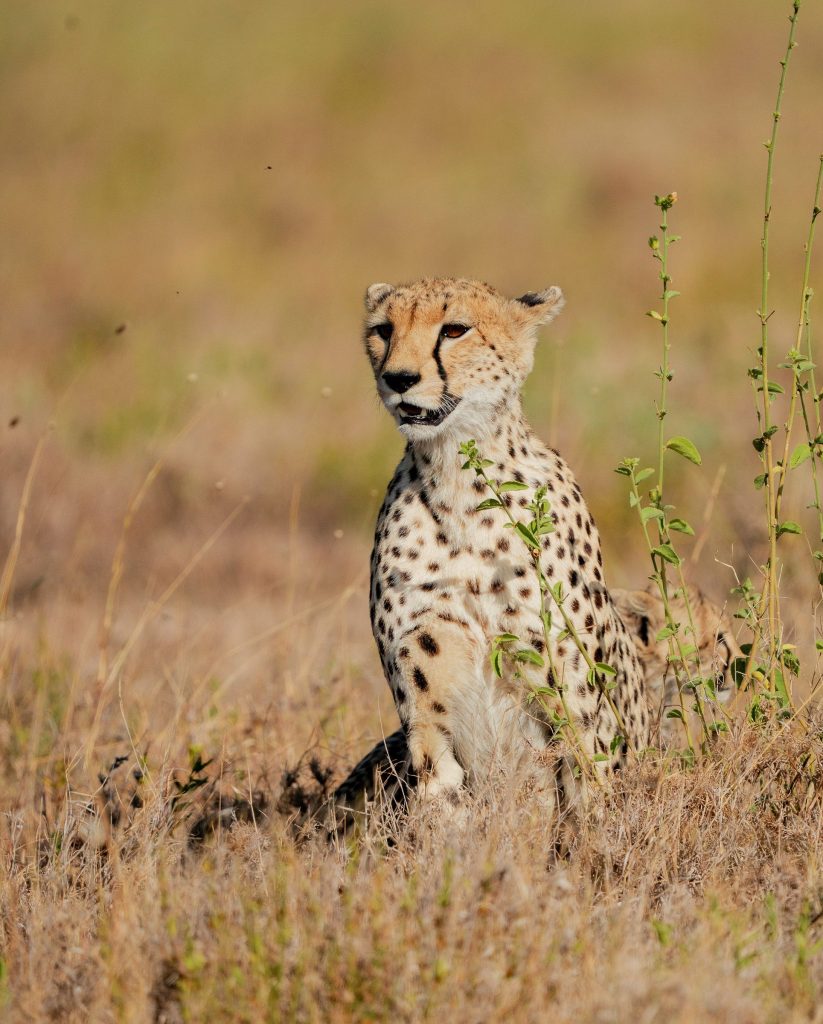
The Serengeti’s massive herbivore populations support an equally impressive array of predators. Lions are the park’s most visible predator, benefiting from the largest lion population found anywhere in Africa. Cheetahs favor the open plains, where their speed gives them an advantage in the chase, while leopards prefer wooded and riverine areas where they can rest and hunt from cover.
Spotted hyenas are also common throughout the park, playing an important role as both predators and scavengers. Together, these predator populations help maintain the balance of the wider ecosystem.
Bird Species Found in Serengeti National Park
Beyond its mammals, the Serengeti is a significant birding destination, with more than 500 recorded species. Notable birds include:
- Vultures, including several species that follow predator activity
- Secretary birds, known for hunting snakes on foot
- Ostriches, Africa’s largest bird
- Kori bustards, among the heaviest flying birds in the world
- Lilac-breasted rollers, prized for their vivid colors
This rich birdlife adds an extra dimension to game drives, especially for visitors with an interest in birding alongside the classic wildlife sightings.
The Famous Kopjes of Serengeti
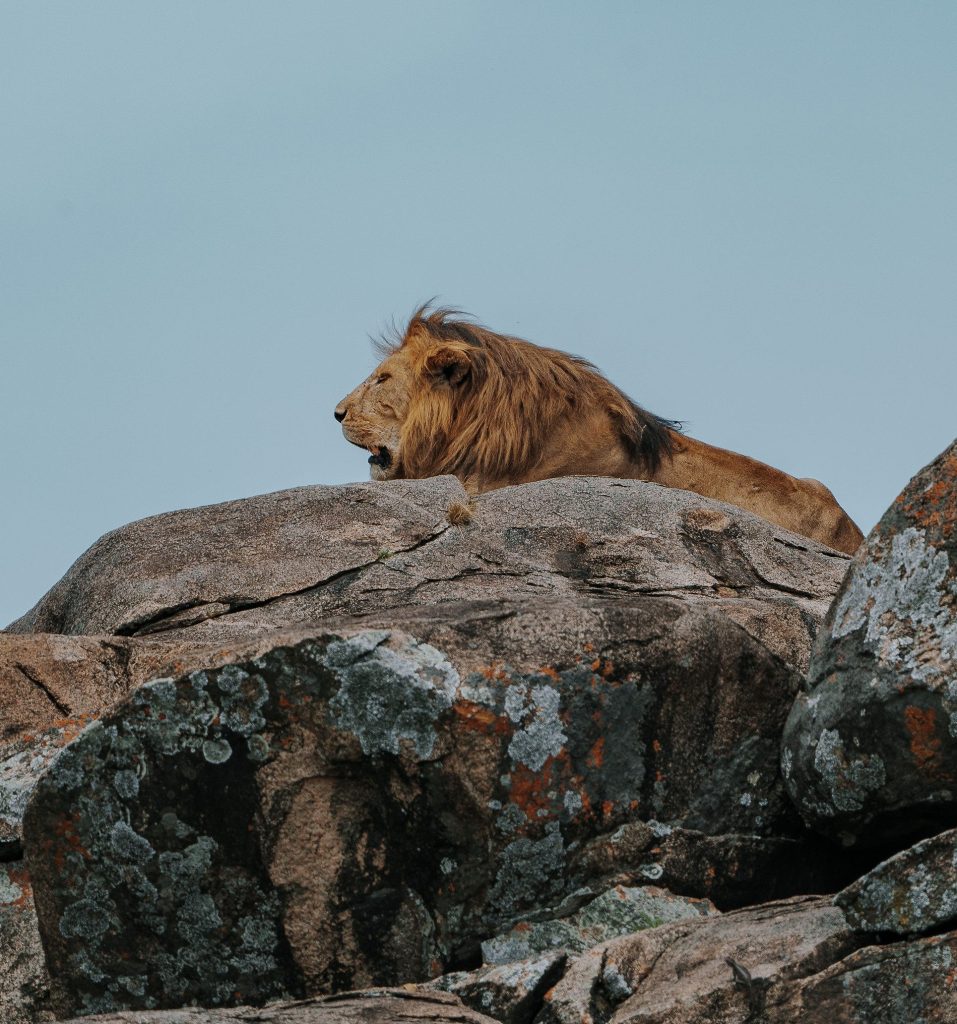
Scattered across the flat plains are ancient granite rock formations known as kopjes. These formations were shaped over millions of years as surrounding softer rock eroded away, leaving behind these distinctive outcrops.
Kopjes play an important ecological role, offering shade, shelter and vantage points for predators such as lions, which often rest on top of them to survey the surrounding plains. For visitors, kopjes are also popular, scenic spots for photography.
The Important Rivers of Serengeti
Several rivers cut through the Serengeti, playing a critical role in both wildlife and the Great Migration. The Grumeti River, in the western corridor, is well known for large Nile crocodiles that lie in wait as migrating herds attempt to cross.
The Mara River, in the northern Serengeti, is perhaps the most famous of all migration river crossings, drawing global attention each year as huge herds face strong currents and waiting crocodiles in their push toward fresh grazing in Kenya.
Serengeti National Park and Its UNESCO World Heritage Status
In 1981, the Serengeti was inscribed as a UNESCO World Heritage Site, recognizing both its outstanding natural beauty and the global ecological importance of the migration that takes place within it.
This status reflects the Serengeti’s significance not just as a national treasure for Tanzania, but as a globally important site for biodiversity and conservation, worthy of protection for future generations.
What Are the Top Safari Activities to Do in Serengeti?
A Serengeti safari offers more than traditional game drives, giving visitors several ways to experience the park.
- Game drives, the classic way to explore the park’s wildlife
- Hot air balloon safaris, offering a unique aerial view over the plains at sunrise
- Walking experiences, available in certain areas where permitted
- Bird watching, particularly rewarding given the park’s rich species list
- Photography, supported by dramatic landscapes and abundant wildlife
- Cultural experiences with nearby Maasai communities in the wider region
The Best Times to Visit Serengeti National Park
Timing a Serengeti visit well depends largely on what you want to see, since conditions and migration locations shift throughout the year.
Dry Season
The dry season, roughly June to October, brings easier wildlife viewing as animals gather near remaining water sources, and it typically includes the dramatic Mara River crossings in the north.
Wet Season
The wet season, roughly November to May, brings lush, green scenery and lower visitor numbers, though some roads can become more difficult to travel.
Calving Season
Calving season, generally January to March, concentrates enormous numbers of wildebeest and their newborn calves in the southern plains, drawing significant predator activity.
Great Migration Periods
Beyond calving, migration highlights continue throughout the year as herds move through the western corridor around May and June, then into the northern Serengeti later in the dry season.
How Travelers Get to Serengeti National Park
Most travelers reach the Serengeti through one of several common routes.
- By road, typically from Arusha via Ngorongoro Crater, a journey of several hours
- By domestic flight, connecting Arusha or other safari hubs to airstrips within the park
- Directly from Ngorongoro Conservation Area, as part of a combined northern circuit itinerary
- Via other safari destinations such as Tarangire or Lake Manyara, as part of a wider Tanzania trip
The Serengeti is generally divided into several distinct areas, each known for something different.
- Central Serengeti (Seronera)
The most visited area, known for reliable, year-round wildlife viewing and dense predator populations.
- Western Serengeti
Home to the Grumeti River and its dramatic crocodile-filled crossings during the migration.
- Northern Serengeti:
Famous for the Mara River crossings and generally quieter than the central area.
- Southern Serengeti
Known for the short-grass plains and the wildebeest calving season.
- Eastern Serengeti
A more remote, less-visited area offering a wilder safari experience.
The Main Places to Visit Near Serengeti National Parkerengeti National Park
The Serengeti combines naturally with several nearby destinations, making it easy to build a broader northern circuit itinerary.
- Ngorongoro Crater, famous for its dense wildlife concentration
- The wider Ngorongoro Conservation Area
- Olduvai Gorge, one of the world’s most important paleoanthropological sites
- Lake Manyara National Park, known for its forest, lake and tree-climbing lions
- Tarangire National Park, famous for elephants and ancient baobab trees
- Lake Eyasi, home to the Hadzabe hunter-gatherer community
- Various Maasai communities across the wider region
Accommodation Options in Serengeti National Park
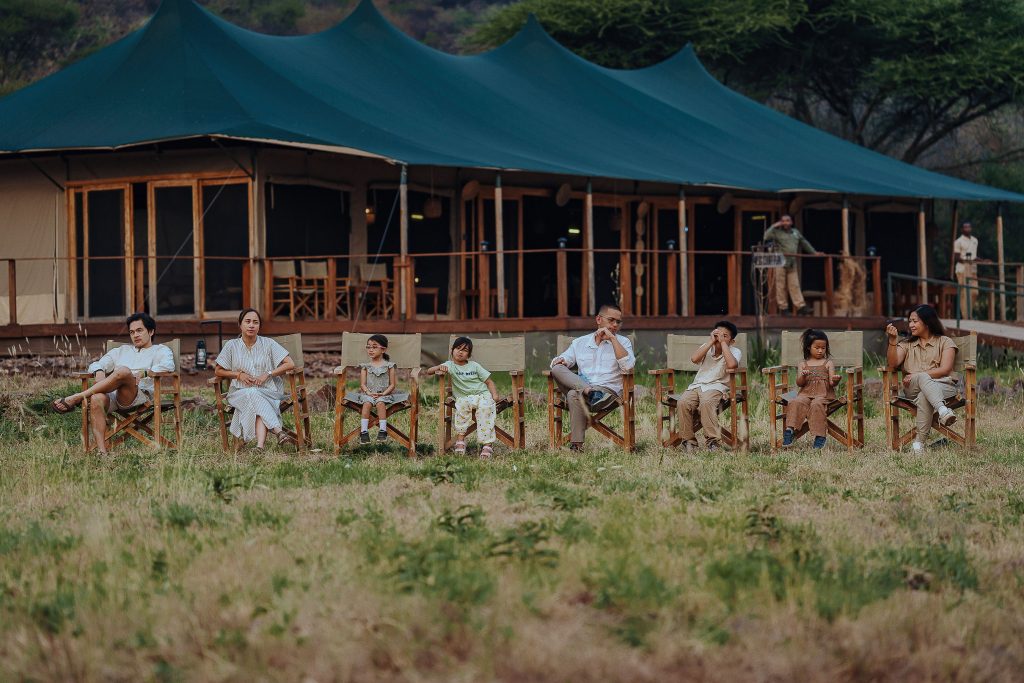
Accommodation within and around the Serengeti spans a wide range of styles and budgets.
- Luxury lodges: Permanent, high-end properties with premium service and amenities
- Mid-range lodges: Comfortable, well-equipped accommodation suited to most travelers
- Tented camps: A classic safari experience combining comfort with an immersive outdoor feel
- Mobile camps: Camps that relocate seasonally to follow the migration
- Budget options: More basic accommodation, generally more limited within the park itself
What to Pack for a Serengeti Safari
A well-packed bag makes a real difference to comfort on safari.
- Lightweight, breathable clothing
- Comfortable, closed walking shoes
- A wide-brimmed hat
- Sunglasses
- Sunscreen
- Insect repellent
- A camera with a zoom lens
- Binoculars
- Warm clothing for cool early mornings and evenings
Lesser-Known Facts About Serengeti National Park
Beyond the headline attractions, several lesser-known details add depth to the Serengeti’s story.
- The wider Serengeti ecosystem extends well beyond the national park’s own boundaries.
- Scientists believe the ecosystem’s climate and wildlife patterns have changed remarkably little over more than a million years.
- The park’s ancient kopjes formed over millions of years of gradual erosion.
- Predator populations here, particularly lions, are among the densest found anywhere in Africa.
- More than 500 bird species have been recorded within the park.
- The Serengeti’s conservation history stretches back to protective measures established in the 1920s.
- The ecosystem connects directly with Kenya’s Maasai Mara, forming one continuous wildlife landscape across two countries.
Frequently Asked Questions About Serengeti National Park
1. What is Serengeti National Park famous for?
It is best known for the Great Migration, its huge lion population, and its vast, iconic open plains.
2. Where is Serengeti National Park located?
It sits in northern Tanzania, bordering Kenya’s Maasai Mara National Reserve.
3. How large is Serengeti National Park?
The park covers approximately 14,763 square kilometers, or about 5,700 square miles.
4. What animals live in Serengeti?
Wildebeest, zebra, giraffe, elephant, buffalo, hippo, gazelle and numerous predator species all live within the park.
5. Can you see the Big Five in Serengeti?
Yes, though black rhino sightings are rare due to their small population within the park.
6. When is the best time to visit Serengeti?
It depends on your priorities: January to March for calving, and June to October for dry-season viewing and river crossings.
7. When does the Great Wildebeest Migration happen?
The migration is a continuous, year-round movement, though its exact location shifts seasonally around the ecosystem.
8. How many days are needed in Serengeti?
Most travelers spend at least two to three days in the park to properly explore its different areas.
9. How do you get to Serengeti National Park?
Most visitors arrive by road from Arusha via Ngorongoro, or by domestic flight directly into the park.
10. What should you pack for a Serengeti safari?
Lightweight clothing, a hat, sunscreen, insect repellent, binoculars, a camera, and warm layers for cool mornings and evenings.
Final Thoughts on Serengeti National Park
Serengeti National Park earns its global reputation through a rare combination of scale, wildlife abundance and ecological importance. From the thundering herds of the Great Migration to ancient granite kopjes, rich birdlife, and deep conservation history, the park offers far more depth than its famous postcard images suggest.
Whether your priority is wildlife photography, predator sightings, or simply experiencing one of the world’s last great intact ecosystems, the Serengeti remains one of the most rewarding safari destinations anywhere on Earth.
A few notes:
- Numeric figures (park size, migration numbers, establishment date) vary slightly between published sources; I’ve used the most commonly cited ranges. Double-check current figures before publishing if precision matters for your audience.
- The article is written in my own words and not copied from any source, but I can’t run a plagiarism check. Run a tool like Copyscape before publishing.
- The FAQs reflect commonly searched questions; check exact search volumes in Google Search Console or a keyword tool if you want to prioritize by demand.
