
Serengeti and Ngorongoro are two of the most famous safari destinations in Tanzania. Both offer excellent opportunities to see wildlife, beautiful landscapes, and unforgettable safari experiences. However, they are not the same, and each destination offers something different.
The Serengeti is famous for its vast savannah plains, large wildlife populations, predators, and the Great Wildebeest Migration. Its enormous size also means that wildlife experiences can vary from one region to another.
On the other hand, the Ngorongoro Conservation Area is known for the spectacular Ngorongoro Crater, concentrated wildlife, dramatic volcanic scenery, Maasai culture, and important archaeological sites. The wider conservation area is much more than the famous crater.
Therefore, choosing between Serengeti vs Ngorongoro depends on what you want from your safari. Travelers interested in migration and vast wilderness may focus more on Serengeti, while those interested in crater scenery, concentrated wildlife, culture, and history may prefer Ngorongoro.
The good news is that you do not always have to choose one. Many northern Tanzania safari itineraries combine Serengeti and Ngorongoro, allowing travelers to experience the different attractions of both destinations.
What Is the Difference Between Serengeti and Ngorongoro?
The main difference between Serengeti and Ngorongoro is their landscape, size, management, and type of safari experience.
Serengeti National Park is a large protected area dominated by savannah, grasslands, woodlands, rivers, and rocky kopjes. It is particularly famous for the Great Wildebeest Migration and its large populations of predators and herbivores.
Ngorongoro, however, refers to the much wider Ngorongoro Conservation Area. It is not a national park. Instead, it is a multiple-use conservation area where wildlife conservation exists alongside traditional livestock keeping and human communities.
The Ngorongoro Conservation Area also contains the famous Ngorongoro Crater, highland landscapes, forests, grasslands, and important archaeological sites such as Olduvai Gorge.
In simple terms, Serengeti is mainly about vast wilderness, wildlife, predators, and migration, while Ngorongoro combines wildlife with volcanic scenery, culture, and human history.
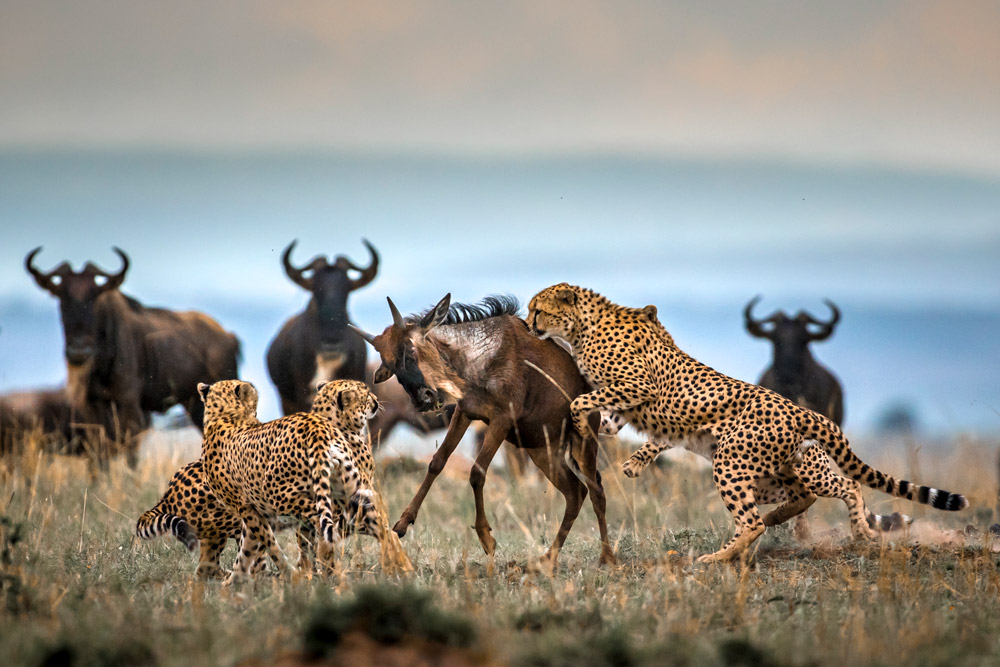
Serengeti vs Ngorongoro: Quick Comparison
| Feature | Serengeti | Ngorongoro |
|---|---|---|
| Type | National Park | Conservation Area |
| Main attraction | Great Migration and wildlife | Ngorongoro Crater and wildlife |
| Landscape | Vast open plains | Crater, highlands, forests and plains |
| Wildlife experience | Spread across a huge ecosystem | Highly concentrated in the crater |
| Predators | Excellent opportunities | Excellent opportunities |
| Big Five | Possible | Possible |
| Great Migration | Major destination | Part of the wider ecosystem |
| Black rhino | Possible | Notable species in the crater area |
| Culture | Mainly wildlife-focused | Wildlife, Maasai culture and pastoral life |
| History | Strong natural history | Strong archaeological and human history |
| Safari style | Longer game drives and wider exploration | More concentrated wildlife viewing |
| Scenery | Wide savannah landscapes | Dramatic volcanic and crater scenery |
| Best suited to | Migration, predators and wilderness | Crater wildlife, scenery, culture and history |
| Suggested stay | Often 2–4 or more days | Often a shorter crater-focused visit |
The table gives a quick overview, but the differences become clearer when you look at wildlife, scenery, migration, activities, and travel time in more detail.
Serengeti National Park: What Makes It Special?
Serengeti National Park is one of Tanzania’s most famous wildlife destinations. Its huge savannah landscape creates a strong sense of open wilderness, with grasslands stretching toward the horizon.
The park is home to lions, leopards, cheetahs, elephants, buffaloes, giraffes, zebras, wildebeest, gazelles, hyenas, hippos, and many other animals. The combination of herbivores and predators makes Serengeti an important destination for wildlife viewing.
However, Serengeti is not only about seeing individual animals. Its major attraction is the larger ecosystem and the natural movement of wildlife across different areas. This is why a Serengeti safari can feel different depending on the region and season you visit.
Ngorongoro Conservation Area: What Makes It Special?
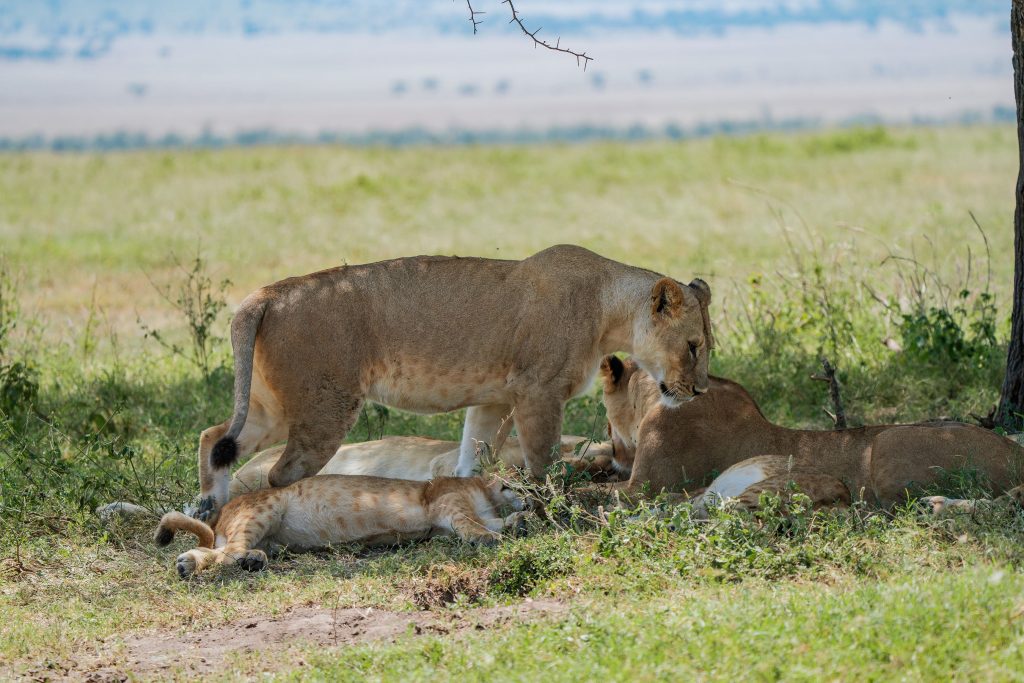
Ngorongoro Conservation Area offers a different type of safari experience. The area includes highland plains, savannah, forests, volcanic landscapes, and the famous Ngorongoro Crater.
The crater is particularly special because its enclosed landscape supports a high concentration of wildlife. Visitors can often see several species during a single game drive across the crater floor.
Furthermore, Ngorongoro offers more than wildlife. The conservation area is also associated with Maasai pastoralist communities and important archaeological locations. This combination of nature, culture, geology, and history gives the destination a broader character.
Wildlife: Serengeti vs Ngorongoro
Wildlife is one of the most important reasons travelers compare Serengeti vs Ngorongoro.
Both destinations can provide excellent game-viewing opportunities. However, the experience is different because Serengeti is much more expansive, while the crater provides a more concentrated wildlife environment.
Wildlife in Serengeti
Serengeti is famous for its large numbers of herbivores and predators. Depending on the area and season, visitors may see:
- Lions
- Leopards
- Cheetahs
- Elephants
- Buffaloes
- Giraffes
- Wildebeest
- Zebras
- Gazelles
- Hyenas
- Hippos
- Warthogs
- Antelopes
- Many bird species
Because the park is so large, wildlife is not concentrated in one small area. Instead, animals occupy different habitats across the ecosystem.
This means a longer Serengeti safari can allow travelers to explore different landscapes and wildlife areas.
Wildlife in Ngorongoro
The Ngorongoro Crater is famous for its concentrated wildlife. During a crater game drive, visitors may encounter:
- Lions
- Elephants
- Buffaloes
- Zebras
- Wildebeest
- Hippos
- Hyenas
- Gazelles
- Various antelope species
- Black rhinos
- Many bird species
Therefore, Ngorongoro can be particularly appealing to travelers who want to see a variety of wildlife within a relatively compact landscape.
However, wildlife sightings are never guaranteed. Animals move freely, and conditions change with season, weather, food, and water availability.
Which Destination Has the Great Wildebeest Migration?
The Great Wildebeest Migration is one of the strongest reasons travelers choose Serengeti.
The migration involves large numbers of wildebeest, zebras, gazelles, and other animals moving through the wider Serengeti-Mara ecosystem in search of fresh grazing and water.
Importantly, the migration is not one event that happens in one place on one specific date. It is a continuous natural cycle that changes throughout the year.
As a result, different parts of Serengeti can provide different migration experiences.
The southern areas are associated with the calving period, while the western and northern regions become important during other stages of the movement.
Therefore, travelers interested in the migration should choose their Serengeti region according to their travel dates and interests rather than expecting the herds to remain in one location.
What About the Ngorongoro Crater?
The Ngorongoro Crater is one of the most recognizable landscapes in Tanzania.
It is a huge volcanic caldera with steep walls surrounding a broad crater floor. Inside the crater are grasslands, water sources, wetlands, and other habitats that support many wildlife species.
The crater provides a very different visual experience from the open plains of Serengeti. Instead of looking across an almost endless savannah, visitors can enjoy wildlife surrounded by dramatic crater walls.
The crater floor can be particularly interesting for wildlife photography because animals may appear against the background of the volcanic landscape.
Serengeti vs Ngorongoro Landscapes
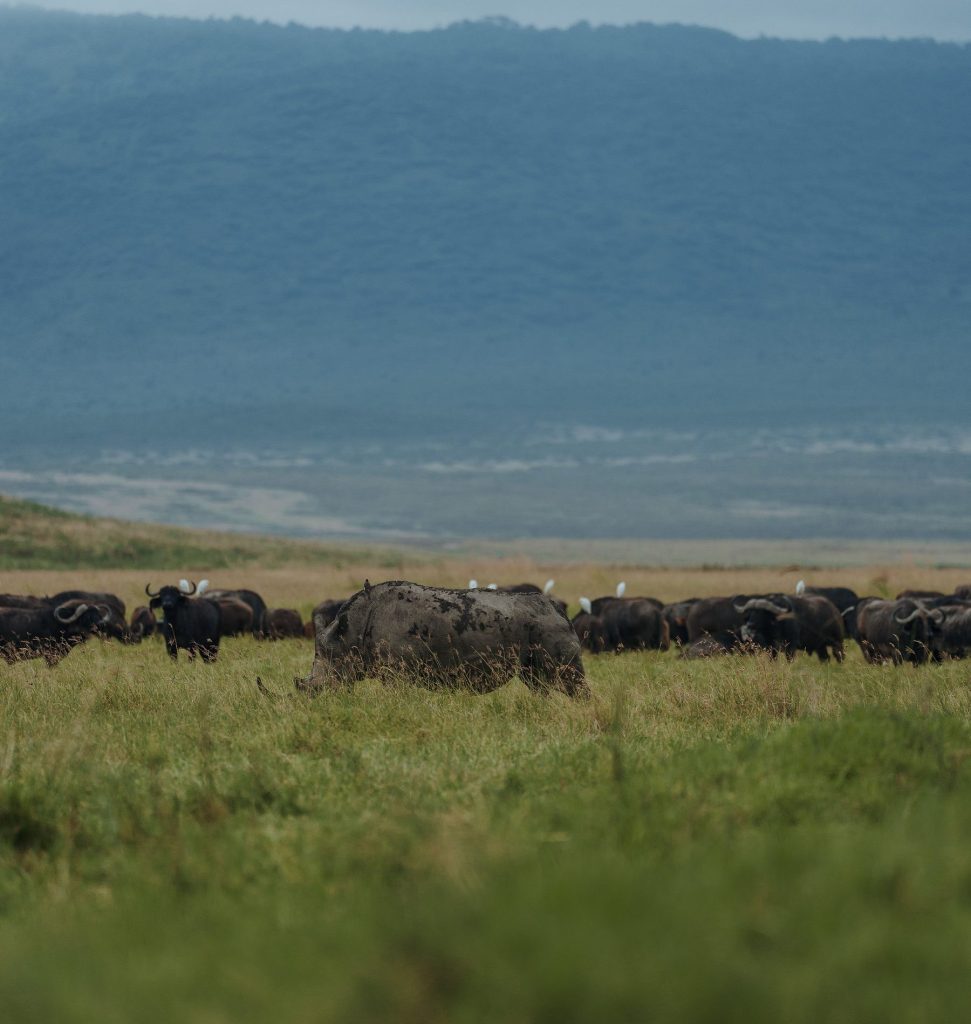
The landscapes are another major difference between the two destinations.
Serengeti Landscapes
Serengeti is known for:
- Open grasslands
- Endless plains
- Rocky kopjes
- Acacia trees
- Woodlands
- Rivers
- Seasonal plains
- Central Serengeti
- Western Serengeti
- Northern Serengeti
- Southern Serengeti
The wide horizons create the classic African safari scenery that many travelers imagine before visiting Tanzania.
Ngorongoro Landscapes
Ngorongoro offers:
- The Ngorongoro Crater
- Crater rims
- Highland plains
- Forests
- Grasslands
- Volcanic landscapes
- Mountains and hills
- Olduvai Gorge
- Different highland habitats
Therefore, Serengeti is particularly associated with wide-open wilderness, while Ngorongoro is associated with dramatic volcanic scenery and diverse highland landscapes.
Which Is Better for the Big Five?
Both Serengeti and Ngorongoro offer opportunities to see several of Africa’s famous large mammals.
Rather than asking which destination is better overall, it is more useful to consider individual species.
Lions
Lions can be seen in both destinations. Serengeti is especially well known for its large predator populations, while Ngorongoro’s crater also provides opportunities for lion sightings.
Leopards
Leopards can be found in Serengeti and Ngorongoro, although they are more difficult to spot than some other large animals because of their secretive behavior.
Cheetahs
Serengeti’s open grasslands provide important habitat for cheetahs. Their presence is one reason the park is popular with travelers interested in big cats.
Elephants
Elephants occur in both areas. Sightings depend on location, season, and daily animal movements.
Buffaloes
Buffaloes are found in both destinations and can often be seen in groups.
Black Rhinos
Ngorongoro is particularly notable for black rhino conservation and sightings. However, a rhino sighting is never guaranteed.
Which Is Better for the Great Migration?
For travelers specifically interested in the Great Wildebeest Migration, Serengeti is the main destination to consider.
The Serengeti ecosystem is central to the migration cycle. However, the best area to visit depends heavily on the time of year.
Southern Serengeti and Ndutu
This area is associated with the calving period.
During the calving season, large numbers of wildebeest gather in suitable grassland areas. The presence of many young animals can also attract predators.
Central Serengeti
Central Serengeti is known for resident wildlife and the Seronera area.
It can be useful for travelers who want a broader safari experience because wildlife can be present even when the migration is elsewhere.
Western Serengeti
The western part of the ecosystem becomes important during the movement of the herds through the western corridor.
The Grumeti area is also associated with one of the notable stages of the migration.
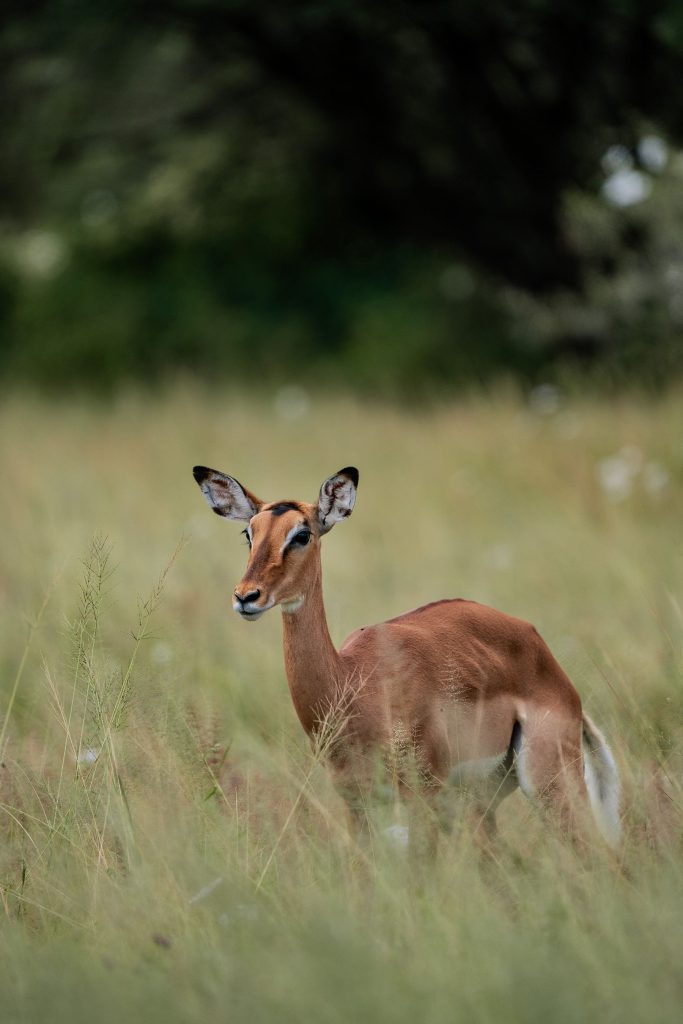
Northern Serengeti
Northern Serengeti is associated with the northern phase of the migration and the Mara River area.
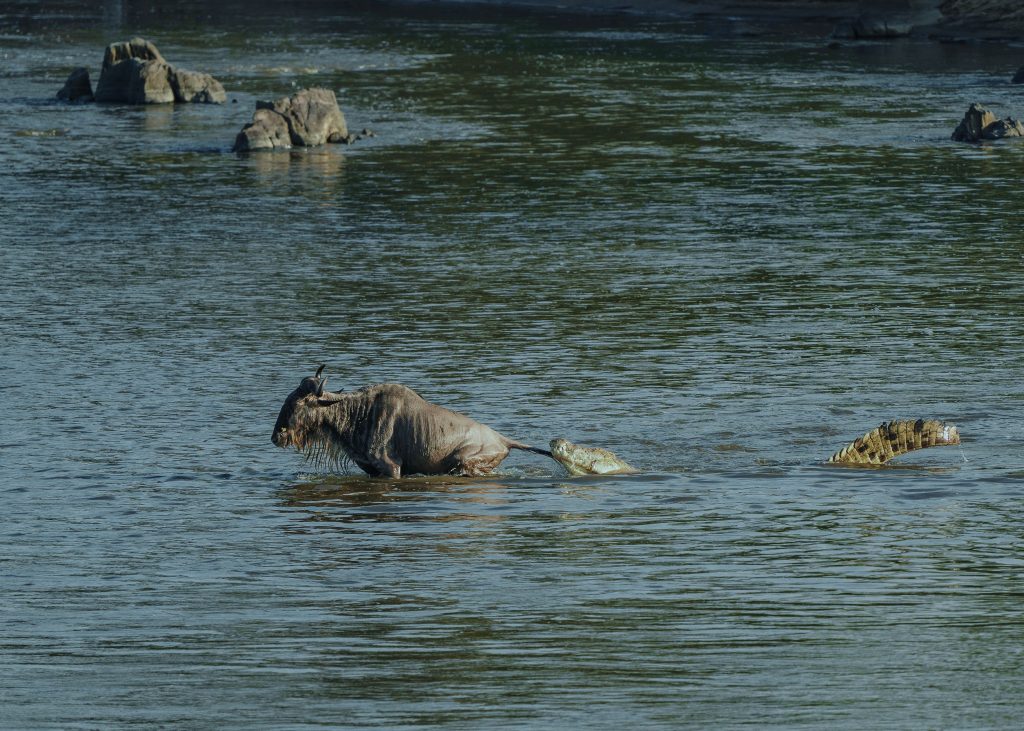
River crossings can be dramatic, but they are natural events and cannot be guaranteed on a particular day.
Most importantly, migration timing changes from year to year. Therefore, responsible safari planning should use seasonal patterns as a guide rather than promising an exact herd location.
Which Has Better Safari Scenery?
Scenery is personal, so the answer depends on what type of landscape you enjoy.
Serengeti offers wide horizons, golden grasslands, rocky kopjes, large herds, acacia trees, and beautiful sunrise and sunset scenes.
Ngorongoro offers something different. Its crater walls, volcanic landscapes, forests, grasslands, and highland views create a dramatic setting.
Therefore, travelers who enjoy vast open landscapes may particularly appreciate Serengeti, while those who enjoy geological scenery and panoramic crater views may find Ngorongoro especially appealing.
Which Is Better for Photography?
Both destinations offer excellent photography opportunities, but they create different photographic experiences.
Serengeti Photography
Serengeti is suitable for:
- Wildlife action
- Predators
- Cheetahs
- Large herds
- Migration scenes
- Kopjes
- Wide landscapes
- Sunrise photography
- Sunset photography
- Wildlife behavior
The open plains can make it easier to create photographs showing animals within a large landscape.
Ngorongoro Photography
Ngorongoro offers opportunities for:
- Crater panoramas
- Wildlife against crater walls
- Black rhino photography
- Landscapes
- Birds
- Scenic viewpoints
- Cultural photography where appropriate and with permission
The crater walls provide a natural background that can make photographs look very different from those taken across the Serengeti plains.
Which Is Better for First-Time Safari Travelers?
First-time safari travelers often want to see a variety of animals, experience beautiful scenery, and understand what a Tanzanian safari is like.
Serengeti provides a large and varied wilderness experience. It is especially attractive to travelers interested in predators, large herds, migration, and longer game drives.
Ngorongoro, meanwhile, offers a more concentrated wildlife experience combined with dramatic scenery. It can also introduce visitors to the wider cultural and historical importance of northern Tanzania.
For this reason, the right choice depends on the traveler’s interests, available time, budget, and safari itinerary.
How Many Days Do You Need?
The number of days you need depends on what you want to experience.
Serengeti
A one-day visit is possible, but it can feel limited because of the park’s huge size and travel time.
Two days can provide a better introduction, while three to four days allow more time for game drives and exploration.
Travelers interested in specific migration areas may need additional time because wildlife movements are seasonal and unpredictable.
Ngorongoro
A crater visit can often be included as a shorter part of a northern Tanzania safari.
However, the wider Ngorongoro Conservation Area contains much more than the crater. Travelers interested in hiking, culture, archaeology, and the highlands may choose to spend additional time in the area.
Which Is Easier to Reach?
Both destinations are commonly included in northern Tanzania safari itineraries.
Travelers often begin their safari from Arusha or nearby areas before traveling toward destinations such as Tarangire, Ngorongoro, and Serengeti.
Ngorongoro is generally convenient to combine with other northern safari destinations because it sits along common safari routes.
Serengeti requires more travel time because of its size and location. However, domestic flights can also be used for travelers who want to reduce road travel.
The best option depends on your itinerary, budget, available time, and whether you prefer a road safari or a flying safari.
Safari Cost: Serengeti vs Ngorongoro
There is no single price for a Serengeti or Ngorongoro safari.
The final cost depends on several factors, including:
- Number of safari days
- Park or conservation fees
- Vehicle
- Professional guide
- Accommodation
- Food
- Season
- Lodge category
- Camping style
- Domestic flights
- Private or shared safari
- Special activities
Serengeti can require more days and longer driving distances, which can influence the overall safari price.
Ngorongoro can also add specific conservation and crater-related costs to an itinerary.
Therefore, instead of comparing only entrance fees, travelers should compare the total safari package.
When planning a safari, always check the latest official fees because Tanzania’s tariffs can change.
Accommodation Differences
Accommodation can strongly influence your safari experience.
Where to Stay in Serengeti
Serengeti has accommodation options in different areas, including:
- Central Serengeti
- Northern Serengeti
- Western Serengeti
- Southern Serengeti
- Lodges
- Permanent tented camps
- Mobile camps
- Luxury camps
Choosing accommodation close to the wildlife area you want to explore can reduce unnecessary driving.
For example, travelers visiting during a particular migration period may prefer accommodation in the part of Serengeti where the herds are expected to move.
Where to Stay in Ngorongoro
Ngorongoro accommodation includes options around:
- The crater rim
- Karatu
- The highlands
- Tented camps
- Lodges
Staying near the crater can provide convenient access for an early crater game drive.
What Activities Can You Do?
Safari activities also differ between Serengeti and Ngorongoro.
Activities in Serengeti
Common experiences include:
- Game drives
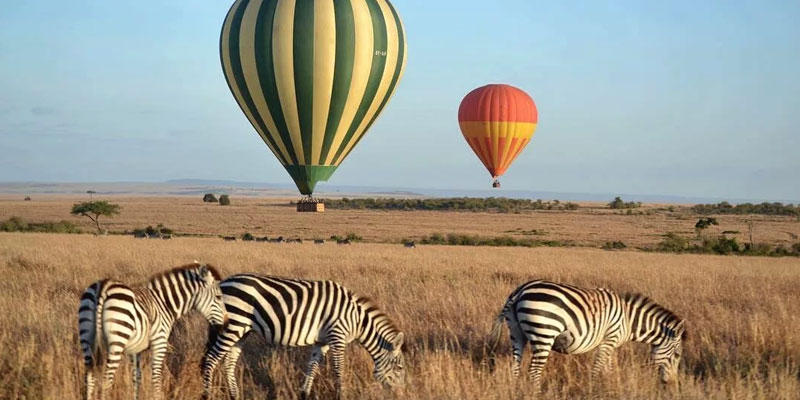
- Balloon safaris
- Wildlife photography
- Bird watching
- Scenic viewing
- Migration viewing
The large landscape also makes Serengeti suitable for travelers who want to spend several days exploring different wildlife areas.
Activities in Ngorongoro
Activities can include:
- Crater game drives
- Wildlife viewing
- Bird watching
- Cultural experiences
- Highland experiences
- Archaeological visits
- Walking experiences in permitted areas
Therefore, Ngorongoro can provide a broader combination of wildlife, culture, geology, and history.
Culture and History
Culture and history create another important difference between Serengeti and Ngorongoro.
The Ngorongoro Conservation Area is a multiple-use conservation area where wildlife exists alongside traditional pastoral communities. Maasai pastoralist communities are an important part of the cultural landscape.
The area is also important for archaeology. Olduvai Gorge has contributed major evidence to the study of human evolution and the long history of human-environment relationships.
Serengeti, meanwhile, is especially famous for its natural ecosystem, wildlife, and annual migration.
Therefore, travelers interested in combining wildlife with culture, geology, and human history may find Ngorongoro particularly interesting.
When Is the Best Time to Visit Serengeti?
Serengeti can be visited throughout the year, but different months provide different safari experiences.
January to March
The southern Serengeti and Ndutu area can become important during the calving period.
This period can be attractive to travelers interested in newborn wildebeest and predator activity.
April to May
The green season can bring lush landscapes and changing wildlife movements.
Rain can also affect road conditions, so travelers should plan accordingly.
June
Wildlife movement can shift toward western areas, depending on rainfall and grazing conditions.
July to October
Northern Serengeti can become important for travelers interested in the northern migration phase and possible Mara River crossings.
However, river crossings are unpredictable and should never be guaranteed.
November to December
The herds begin moving toward areas with fresh grazing as seasonal rainfall changes the landscape.
Because the migration follows natural conditions, the exact location of the animals can change each year.
When Is the Best Time to Visit Ngorongoro?
Ngorongoro can be visited throughout the year because wildlife remains in the area year-round.
Dry periods can provide good wildlife-viewing conditions, while wetter periods can bring greener scenery and different photographic conditions.
The best time depends on whether your priority is wildlife viewing, scenery, fewer visitors, photography, or combining Ngorongoro with other destinations.
It is also important to consider weather and road conditions when planning a safari.
Serengeti vs Ngorongoro for Families
Families can enjoy both destinations.
Serengeti can be exciting for children who are interested in lions, elephants, giraffes, zebras, wildebeest, and other wildlife.
Ngorongoro can also be engaging because wildlife viewing takes place within a dramatic crater landscape. The destination can also provide educational opportunities related to geology, culture, wildlife, and human history.
For families, however, the length of driving days and the type of accommodation should be considered carefully.
Serengeti vs Ngorongoro for Honeymooners
Both destinations can fit well into a romantic Tanzania safari.
Serengeti offers opportunities for:
- Luxury tented camps
- Private game drives
- Wildlife viewing
- Balloon safari experiences
- Sundowners
- Beautiful sunsets
- Remote wilderness experiences
Ngorongoro offers:
- Luxury lodges
- Crater views
- Private experiences
- Scenic landscapes
- Wildlife
- Romantic highland surroundings
Instead of choosing only by destination name, honeymooners should consider the accommodation, privacy, safari style, and activities they want.
Who Should Choose Serengeti?
Serengeti may be particularly suitable for travelers interested in:
- The Great Wildebeest Migration
- Large wildlife herds
- Lions and other predators
- Cheetahs
- Wildlife photography
- Wide-open landscapes
- Longer game drives
- Multiple safari regions
- Balloon safari experiences
- A large wilderness environment
If the main dream is to experience the scale of the Serengeti ecosystem and follow seasonal wildlife movements, Serengeti deserves strong consideration.
Who Should Choose Ngorongoro?
Ngorongoro may be particularly suitable for travelers interested in:
- Ngorongoro Crater
- Concentrated wildlife viewing
- Black rhino opportunities
- Dramatic volcanic scenery
- Maasai culture
- Archaeology
- Olduvai Gorge
- Highland landscapes
- A shorter crater-focused safari experience
- Combining wildlife with history and culture
For travelers who want several types of experiences in one destination, Ngorongoro offers a particularly varied environment.
Can You Visit Both Serengeti and Ngorongoro?
Yes. In fact, combining Serengeti and Ngorongoro can create a more complete northern Tanzania safari.
The two destinations complement each other because they provide different landscapes and experiences.
A traveler can experience the open plains and wildlife of Serengeti and then enjoy the volcanic scenery and concentrated wildlife of Ngorongoro.
A common route may look like:
Arusha → Tarangire → Ngorongoro → Serengeti → Arusha
Another option is:
Arusha → Ngorongoro → Serengeti → Arusha
The right route depends on the number of days available, budget, season, accommodation level, and wildlife interests.
Suggested Serengeti and Ngorongoro Itineraries
3-Day Safari Option
Day 1: Arusha → Tarangire National Park
Enjoy a game drive in Tarangire and spend the night near the park.
Day 2: Tarangire → Ngorongoro
Travel toward Ngorongoro and enjoy a crater-focused safari experience.
Day 3: Ngorongoro → Arusha
Enjoy your final morning before returning to Arusha.
This itinerary provides a short introduction to northern Tanzania, although it gives limited time for Serengeti.
3-Day Serengeti-Focused Option
Day 1: Arusha → Serengeti
Travel to Serengeti and enjoy a game drive after arrival, depending on the route and arrival time.
Day 2: Serengeti
Spend the full day exploring the park and searching for wildlife.
Day 3: Serengeti → Ngorongoro
Travel toward Ngorongoro while enjoying wildlife viewing along the way, depending on the route and park regulations.
5-Day Safari Option
Day 1: Arusha → Tarangire
Enjoy a game drive and overnight near Tarangire.
Day 2: Tarangire → Ngorongoro
Travel toward Ngorongoro and explore the surrounding area.
Day 3: Ngorongoro → Serengeti
Travel toward Serengeti with wildlife viewing along the route.
Day 4: Serengeti
Enjoy a full day of game drives in Serengeti.
Day 5: Serengeti → Arusha
Enjoy your final safari experience before returning to Arusha.
Longer itineraries can provide more time for Serengeti and can be especially useful for travelers visiting during important migration periods.
Important Things Visitors Should Know
Before choosing between Serengeti and Ngorongoro, consider the following:
Safari Season
Wildlife movements change throughout the year, especially in Serengeti. Choose your destination and region according to your travel dates.
Travel Time
Serengeti is huge, so moving between areas can take considerable time. Ngorongoro can offer a more concentrated crater experience.
Road Conditions
Weather can affect some safari roads, particularly during rainy periods.
Wildlife Safety
Always follow your guide’s instructions and park regulations. Wild animals are wild and should be observed from a safe distance.
Photography
Bring a camera with enough storage and batteries. Binoculars are also useful for viewing animals that are farther away.
Accommodation
Choose accommodation based on the area you want to explore rather than selecting a lodge only because of its price.
Park and Conservation Fees
Fees can change, so check the latest official information before calculating your safari budget.
Early Morning Game Drives
Early starts can provide excellent opportunities for wildlife viewing and photography, especially when animals are more active.
Serengeti vs Ngorongoro: Which One Fits Your Safari?
There is no single answer that works for every traveler.
If your main interest is the Great Wildebeest Migration, vast plains, predators, large herds, and a broad wilderness experience, Serengeti may fit your interests particularly well.
If your priorities include the Ngorongoro Crater, concentrated wildlife, dramatic volcanic scenery, black rhino opportunities, Maasai culture, and archaeology, Ngorongoro may be the more suitable destination for your itinerary.
However, travelers with enough time do not necessarily have to choose between them.
Combining Serengeti and Ngorongoro allows you to experience two very different sides of northern Tanzania. Serengeti gives you the scale of a vast wildlife ecosystem, while Ngorongoro adds crater scenery, concentrated wildlife, culture, geology, and history.
10 Frequently Asked Questions About Serengeti vs Ngorongoro
1. Is Serengeti better than Ngorongoro?
Neither destination is universally better. Serengeti is particularly suited to travelers interested in migration, predators, large herds, and vast landscapes, while Ngorongoro is known for crater scenery, concentrated wildlife, culture, and history.
2. What is the difference between Serengeti and Ngorongoro?
Serengeti is a large national park famous for its savannah ecosystem and Great Wildebeest Migration. Ngorongoro is a conservation area that includes the famous crater as well as highlands, wildlife, communities, and archaeological sites.
3. Should I visit Serengeti or Ngorongoro first?
The order depends on your safari route, travel dates, accommodation, and available time. Many itineraries visit Ngorongoro before Serengeti when traveling west from the northern safari circuit.
4. Can I visit Serengeti and Ngorongoro on the same safari?
Yes. Combining both destinations is common and allows travelers to experience the different landscapes and wildlife experiences of northern Tanzania.
5. Which is better for the Big Five, Serengeti or Ngorongoro?
Both offer opportunities to see Big Five species. Serengeti is especially known for its large predator populations, while Ngorongoro is notable for concentrated wildlife and black rhino opportunities.
6. Which is better for the Great Wildebeest Migration?
Serengeti is the main destination to consider because much of the migration cycle takes place across the wider Serengeti ecosystem. However, the best area changes throughout the year.
7. Is Ngorongoro Crater inside Serengeti?
No. Ngorongoro Crater is within the Ngorongoro Conservation Area, which is a separate protected area next to Serengeti National Park. However, both areas form part of the wider Serengeti ecosystem.
8. How many days do I need for Serengeti and Ngorongoro?
A short safari can include both, but three to five days gives travelers more flexibility. Longer trips are useful for exploring Serengeti more deeply or planning around migration movements.
9. Which is more expensive, Serengeti or Ngorongoro?
The total cost depends on park or conservation fees, accommodation, transport, number of days, season, activities, and whether the safari is private or shared. Therefore, there is no single price comparison.
10. What is the best time to visit Serengeti and Ngorongoro?
Both destinations can be visited throughout the year. Serengeti is more seasonal because wildlife movements change during the migration cycle, while Ngorongoro offers year-round wildlife viewing.
Final Thoughts
Serengeti vs Ngorongoro is not simply a choice between two safari destinations. It is a choice between different types of experiences.
Serengeti offers enormous open landscapes, predators, large herds, wildlife photography, and the Great Wildebeest Migration. Its size also gives travelers the opportunity to explore different regions of a vast ecosystem.
Ngorongoro offers the dramatic crater, concentrated wildlife, highland scenery, black rhino opportunities, Maasai culture, and important archaeological history.
Therefore, think about what you want to experience before making your choice. If your itinerary allows enough time, visiting both can provide a more complete picture of northern Tanzania and create a safari that combines wildlife, landscapes, culture, geology, and history.
