
Lake Eyasi is a beautiful and culturally important destination in northern Tanzania. It lies in the Great Rift Valley, southwest of the Ngorongoro Crater, and offers a very different experience from the famous wildlife destinations of the northern safari circuit.
While Serengeti and Ngorongoro are widely known for game drives and wildlife viewing, Lake Eyasi is especially interesting for travelers who want to learn about local communities, traditional lifestyles, nature, and cultural heritage.
In particular, the area is associated with the Hadzabe and Datoga communities. A visit can provide an opportunity to learn about traditional hunting and gathering, livestock keeping, blacksmithing, local crafts, and everyday community life.
Moreover, Lake Eyasi itself adds a scenic natural setting to the experience. The lake is surrounded by dry landscapes, bushland, seasonal vegetation, and birdlife. Therefore, it can be a valuable addition to a northern Tanzania safari for travelers looking for both culture and nature.
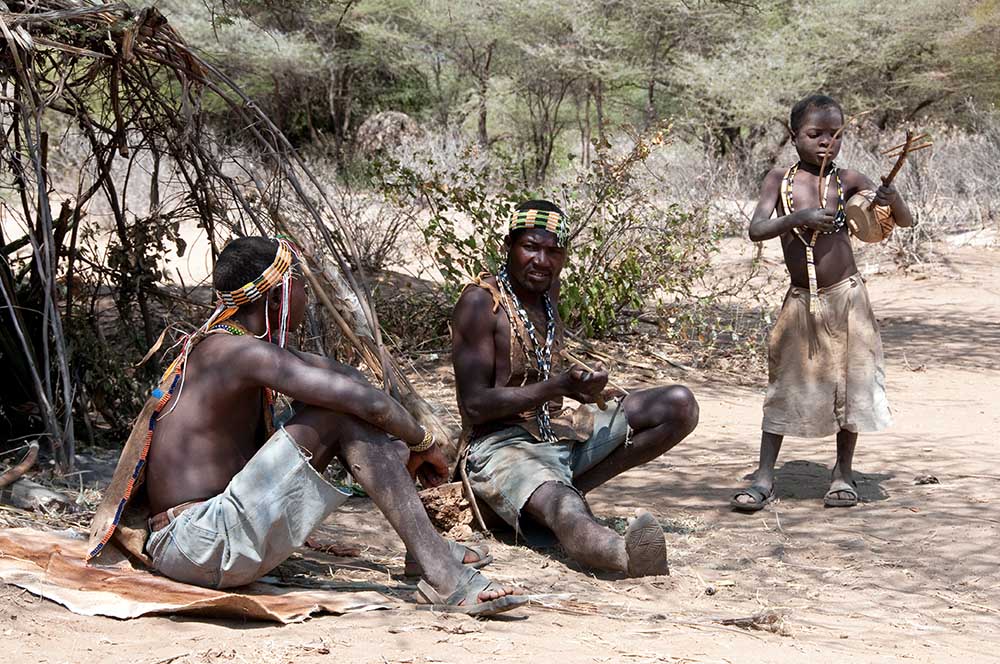
Where Is Lake Eyasi Located in Tanzania?
Lake Eyasi is located in northern Tanzania, in the wider Karatu and Ngorongoro area of the Great Rift Valley. It lies southwest of the Ngorongoro Crater and south of the Serengeti ecosystem.
The lake is also relatively close to Karatu, which is an important base for travelers visiting Ngorongoro, Lake Manyara, and surrounding cultural attractions. Karatu is about 140 km by road from Arusha, while the route from Karatu toward Lake Eyasi continues onto more rural roads.
Because of its location, Lake Eyasi can be combined with several destinations in northern Tanzania. For example, travelers may visit it before or after exploring Ngorongoro, Lake Manyara, Tarangire, or Serengeti.
Therefore, Lake Eyasi can fit naturally into a wider Tanzania safari itinerary rather than being treated only as a separate destination.
What Makes Lake Eyasi Special?
Lake Eyasi stands out because it combines cultural experiences with a natural landscape.
Unlike a traditional game-drive destination, the main attraction is not simply the number of large animals that visitors can see. Instead, the area provides opportunities to learn about people, traditional knowledge, local livelihoods, and the environment in which communities live.
Several features make Lake Eyasi interesting:
- Cultural experiences with local communities
- Hadzabe cultural visits
- Datoga cultural experiences
- Traditional hunting and gathering knowledge
- Datoga blacksmithing and metalworking
- Livestock keeping and traditional livelihoods
- Scenic lake and Rift Valley landscapes
- Bird watching
- Rural community life
- Opportunities for responsible cultural tourism
As a result, Lake Eyasi can be especially appealing to travelers who want to experience another side of Tanzania beyond the usual wildlife safari.
Which Communities Can You Visit Around Lake Eyasi?
Two communities are particularly associated with cultural tourism around Lake Eyasi: the Hadzabe and the Datoga.
The two communities have different cultural traditions and ways of life. Consequently, visiting both can provide a broader understanding of the cultural diversity around the lake.
However, visitors should remember that these are living communities, not performances created solely for tourists. Cultural visits should therefore be organized respectfully and with appropriate local guidance.
Hadzabe Community
The Hadzabe, also known as the Hadza, are traditionally hunter-gatherers living in the Lake Eyasi area.
Their traditional way of life is closely connected to the surrounding environment. They have extensive knowledge of local plants, animals, water sources, seasonal changes, and natural resources.
During a cultural visit, travelers may have an opportunity to learn about traditional hunting and gathering practices. Depending on the community and arrangements, visitors may also learn about traditional tools, food gathering, tracking, language, and everyday life.
Importantly, these experiences should be approached as opportunities to learn rather than simply as entertainment.
The Hadzabe are also known for their distinctive language and cultural traditions. Therefore, a visit can offer travelers an opportunity to understand a way of life that is very different from their own.
Datoga Community
The Datoga are traditionally pastoralists, and livestock plays an important role in many aspects of their community life.
They are also well known for traditional metalworking and blacksmithing skills. During a cultural visit, travelers may have the opportunity to see how local artisans work with metal and produce useful objects.
In addition, visitors may learn about livestock keeping, traditional clothing, beadwork, household activities, and other aspects of community life.
The Datoga experience therefore provides a different perspective from the Hadzabe experience. While the Hadzabe visit may focus more strongly on hunting and gathering traditions, the Datoga experience can highlight pastoralism, craftsmanship, and metalworking.
What Can You Do at Lake Eyasi?
There are several activities that can be included in a Lake Eyasi cultural tour. The exact experience depends on the community, season, local arrangements, and tour operator.
Some of the main things to do include:
- Visit a Hadzabe community
- Learn about traditional hunting and gathering
- Visit Datoga blacksmiths
- Learn about traditional livelihoods
- Explore the lake and surrounding landscapes
- Enjoy bird watching
- Learn about traditional crafts
- Meet local community members through a guided cultural visit
- Combine the experience with a northern Tanzania safari
Because the area is rural, the experience is generally more focused on culture and nature than on luxury tourism.
Visit a Hadzabe Community
One of the main reasons travelers visit Lake Eyasi is to meet members of the Hadzabe community through an organized cultural experience.
A local guide can help explain the community’s traditions and translate conversations when necessary. Visitors may learn about food gathering, hunting methods, traditional tools, and the relationship between the community and its environment.
Early morning visits can be particularly interesting because some traditional activities are linked to the daily rhythm of the community.
Nevertheless, travelers should avoid treating the visit as a staged show. Instead, the focus should be on respectful learning and meaningful interaction.
Experience Traditional Hunting and Gathering
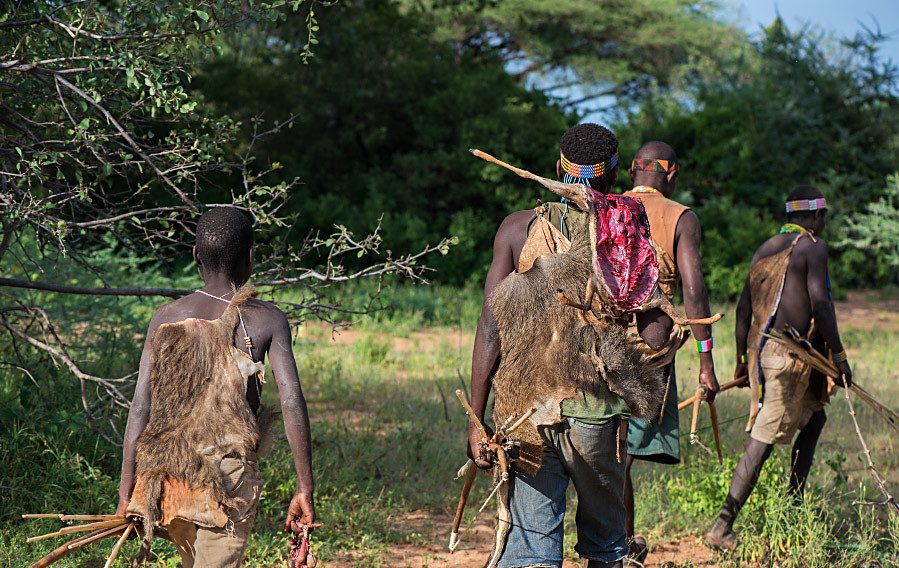
Traditional hunting and gathering knowledge is an important part of the cultural identity of the Hadzabe.
During an appropriate cultural visit, travelers may observe or learn about how hunters identify animal tracks, understand the landscape, and use traditional tools.
The experience also demonstrates how closely traditional knowledge can be connected to the natural environment.
However, visitors should always follow local guidance and should not interfere with community activities.
Visit Datoga Blacksmiths
A visit to Datoga blacksmiths can provide another memorable cultural experience around Lake Eyasi.
Blacksmithing involves traditional knowledge passed between generations. Visitors may observe artisans working with metal and learn how practical objects are produced.
Furthermore, this experience can help travelers understand the importance of craftsmanship within local communities.
It also shows that cultural tourism around Lake Eyasi is not limited to wildlife or scenery. Instead, it can introduce visitors to traditional skills and livelihoods that remain important today.
Learn About Traditional Livelihoods
Lake Eyasi provides an opportunity to learn about different ways people use and understand their environment.
For example, visitors may learn about hunting and gathering among the Hadzabe or livestock keeping and metalworking among the Datoga.
These experiences can help travelers understand the relationship between culture, natural resources, family life, and local economies.
Therefore, a cultural visit can become more meaningful when visitors take time to listen and learn rather than simply taking photographs.
Explore the Lake and Surrounding Landscapes
Lake Eyasi itself provides a scenic setting for the cultural experiences around it.
The landscape changes with rainfall and seasonal conditions. At different times of the year, visitors may see different water levels, vegetation, and bird activity.
The surrounding area also contains dry bushland and open landscapes characteristic of the Rift Valley.
Consequently, travelers interested in photography can find opportunities to capture landscapes, local life, and natural scenery.
Enjoy Bird Watching
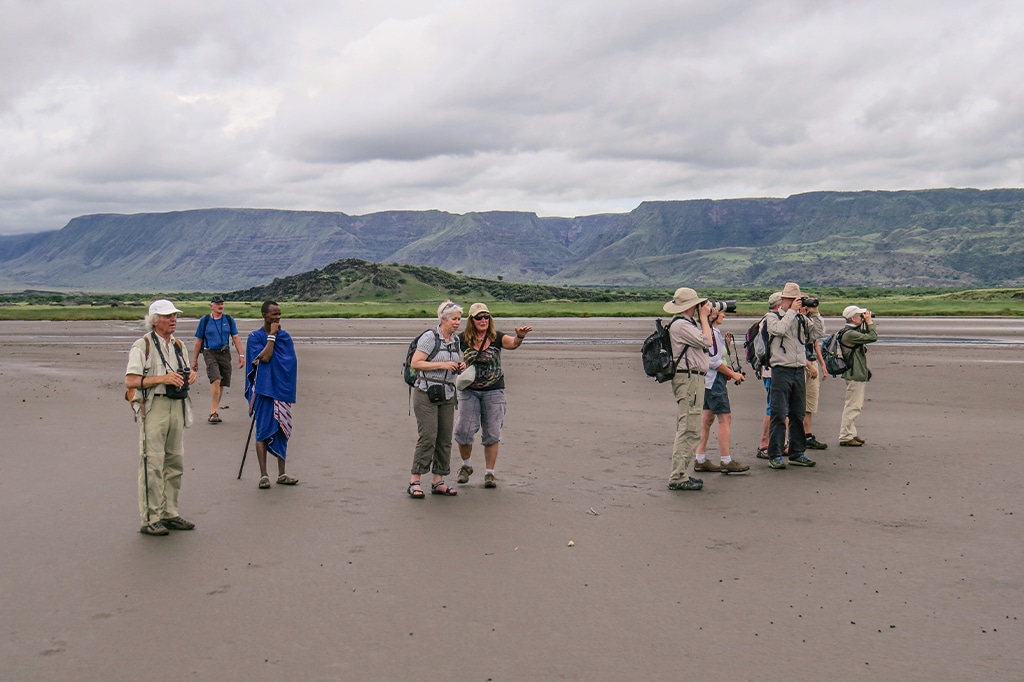
Lake Eyasi can also interest bird watchers because wetlands and lakes in northern Tanzania can support a variety of bird species.
Depending on water conditions and season, visitors may encounter birds associated with the lake, shoreline, and surrounding dry habitats.
However, Lake Eyasi should not be presented as a destination specifically for large wildlife concentrations. Instead, bird watching works well as an additional activity during a cultural visit.
For serious bird watchers, a longer northern Tanzania itinerary can combine Lake Eyasi with other productive birding locations.
Experience Local Cultural Traditions
Beyond specific activities, Lake Eyasi offers travelers a chance to learn about local traditions through direct interaction.
A cultural guide can explain aspects of language, food, clothing, tools, crafts, family life, and traditional knowledge.
Furthermore, visitors may gain a better understanding of how different communities have adapted to the environment around the lake.
For this reason, the experience can be especially valuable for travelers interested in anthropology, cultural tourism, photography, and responsible travel.
What Is the Hadzabe Cultural Experience Like?
A Hadzabe cultural experience is generally different from a conventional wildlife safari.
Instead of spending most of the day searching for lions, elephants, or leopards, visitors focus on people and traditional knowledge.
Depending on the arrangement, a visit may include learning about hunting, gathering, tracking, traditional tools, food sources, and daily life.
The experience can also involve walking through the surrounding bush with local community members and listening to explanations about how they understand and use their environment.
Most importantly, visitors should approach the experience with respect. Ask before taking photographs, listen to your guide, and remember that the people you meet are members of a living community.
What Can You Learn From the Datoga People?
A Datoga cultural visit can introduce travelers to pastoral traditions and traditional craftsmanship.
Livestock is an important part of many Datoga communities. Therefore, visitors may learn about cattle keeping, traditional household life, and the role of livestock within the community.
The Datoga are also known for blacksmithing. Visitors may observe traditional metalworking and learn how artisans use their skills to produce practical objects.
Additionally, travelers may encounter traditional beadwork and other crafts.
As a result, the Datoga experience provides an opportunity to learn how cultural knowledge and practical skills can be passed from one generation to another.
Lake Eyasi vs Ngorongoro: What Is the Difference?
Lake Eyasi and Ngorongoro are both important destinations in northern Tanzania, but the main experiences are different.
Ngorongoro is particularly known for its crater, wildlife, dramatic landscapes, and conservation area. It is one of the major destinations on the northern Tanzania safari circuit.
Lake Eyasi, on the other hand, is particularly associated with cultural tourism, local communities, traditional livelihoods, and the natural landscape around the lake.
Therefore, travelers interested mainly in wildlife may spend more time around Ngorongoro. Those interested in cultural experiences may want to include Lake Eyasi as an additional destination.
However, the two destinations do not have to compete with each other. They can also be combined in the same northern Tanzania itinerary.
What Wildlife Can You See Around Lake Eyasi?
Lake Eyasi is not primarily a Big Five safari destination.
Instead, its main attraction is the combination of culture, scenery, and nature. Nevertheless, travelers may encounter wildlife in the wider area, depending on the location and season.
Birdlife can be particularly interesting around the lake and surrounding habitats.
For travelers whose main goal is to see large concentrations of lions, elephants, leopards, cheetahs, and other major safari animals, destinations such as Serengeti and Ngorongoro are more directly suited to that purpose.
Lake Eyasi can then be added to provide a cultural dimension to the safari.
When Is the Best Time to Visit Lake Eyasi?
Lake Eyasi can be visited during different times of the year. However, the experience can change depending on rainfall, road conditions, vegetation, and community activities.
Dry Season
The dry months can provide easier road travel and generally drier conditions around the lake.
This period can be suitable for travelers who want to combine Lake Eyasi with a northern Tanzania wildlife safari.
Wet and Green Season
During the wetter months, the surrounding landscape can become greener and more attractive for photography.
Rain can also affect rural roads, so travelers should allow flexibility in their schedules.
Additionally, the green period can be interesting for bird watchers because seasonal conditions can influence bird activity.
Cultural Visits
Cultural experiences depend on local community arrangements rather than simply on the weather.
Therefore, travelers should confirm the availability and schedule of their cultural visit with their tour operator before traveling.
Bird Watching
Bird activity can change according to water levels, rainfall, food availability, and seasonal movements.
Consequently, bird watchers should consider the particular species they want to see when choosing their travel dates.
Road Conditions
Road conditions are an important consideration when planning Lake Eyasi.
The route beyond the main roads toward the lake can be rough and may become more challenging after heavy rain. For this reason, a suitable safari vehicle and an experienced driver are important.
How Do You Get to Lake Eyasi?
Lake Eyasi can be reached by road from several northern Tanzania safari destinations.
A common route is:
Arusha → Mto wa Mbu → Karatu → Lake Eyasi
Another practical option is to stay in or near Karatu and make Lake Eyasi a day trip.
Karatu is already an important base for travelers visiting Ngorongoro and Lake Manyara. Therefore, adding Lake Eyasi from Karatu can make logistical sense.
A sturdy safari vehicle is recommended for the more rural sections of the journey, particularly when road conditions are difficult.
How Far Is Lake Eyasi From Arusha?
The exact distance from Arusha to Lake Eyasi depends on the route and the specific point around the lake being visited.
As a practical planning figure, travelers can expect the journey to be roughly 170–185 km by road, with travel time often taking several hours. Road conditions, stops, weather, and the route used can all affect the actual journey time.
For comparison, Arusha to Karatu is about 140 km by road. From Karatu, the journey continues toward the Lake Eyasi area on more rural roads.
Therefore, travelers should avoid planning the journey based only on the number of kilometers. The condition of the road and the activities included in the visit can have a significant effect on the total travel time.
Can You Visit Lake Eyasi on a Day Trip?
Yes, Lake Eyasi can be visited as a day trip, particularly when travelers are staying in Karatu or nearby.
A typical day can include an early departure, a cultural experience, time to explore the area, and a return to the accommodation later in the day.
However, travelers coming directly from Arusha may have a longer day because of the additional driving distance.
An overnight stay can be more suitable for visitors who want a slower experience, photography opportunities, or more time around the lake.
Therefore, the best option depends on the overall safari itinerary and the amount of time available.
How Much Does a Lake Eyasi Tour Cost?
There is no single fixed price for a Lake Eyasi tour.
The total cost depends on several factors, including:
- Transport
- Safari vehicle
- Professional guide
- Cultural activities
- Community arrangements
- Accommodation
- Meals
- Number of travelers
- Duration of the trip
- Other safari destinations included
- Tour operator
For example, a short cultural visit from Karatu will normally have different costs from a multi-day private safari starting in Arusha.
Therefore, travelers should request a detailed quotation showing what is included before booking.
Lake Eyasi and Northern Tanzania Safari Itineraries
Lake Eyasi can be included in several types of northern Tanzania safari itineraries.
3-Day Option
Arusha → Tarangire → Ngorongoro → Lake Eyasi/Arusha
This option combines wildlife viewing with a cultural experience. However, it can be busy because several destinations are covered within a short period.
4-Day Option
Arusha → Lake Eyasi → Ngorongoro → Serengeti → Arusha
This itinerary can suit travelers who want to include both cultural tourism and major wildlife destinations.
5-Day Option
Arusha → Tarangire → Ngorongoro → Lake Eyasi → Serengeti → Arusha
This option provides more time to combine wildlife and cultural experiences.
However, actual driving times and activities should be adjusted according to the route, accommodation, road conditions, and travelers’ interests.
Is Lake Eyasi Worth Visiting?
Lake Eyasi can be a useful addition to a Tanzania safari for travelers who want to experience more than traditional game drives.
It may be particularly relevant to:
- Cultural travelers
- Photographers
- Travelers interested in Tanzanian communities
- Visitors interested in traditional knowledge
- Bird watchers
- Travelers interested in indigenous traditions
- Visitors who want to add cultural tourism to a northern safari
The destination is therefore best understood according to what a traveler wants to experience.
If the main goal is a classic Big Five safari, Serengeti and Ngorongoro may form the central part of the itinerary. If the traveler also wants to understand local cultures and traditional livelihoods, Lake Eyasi can provide an additional experience.
Important Things to Know Before Visiting Lake Eyasi
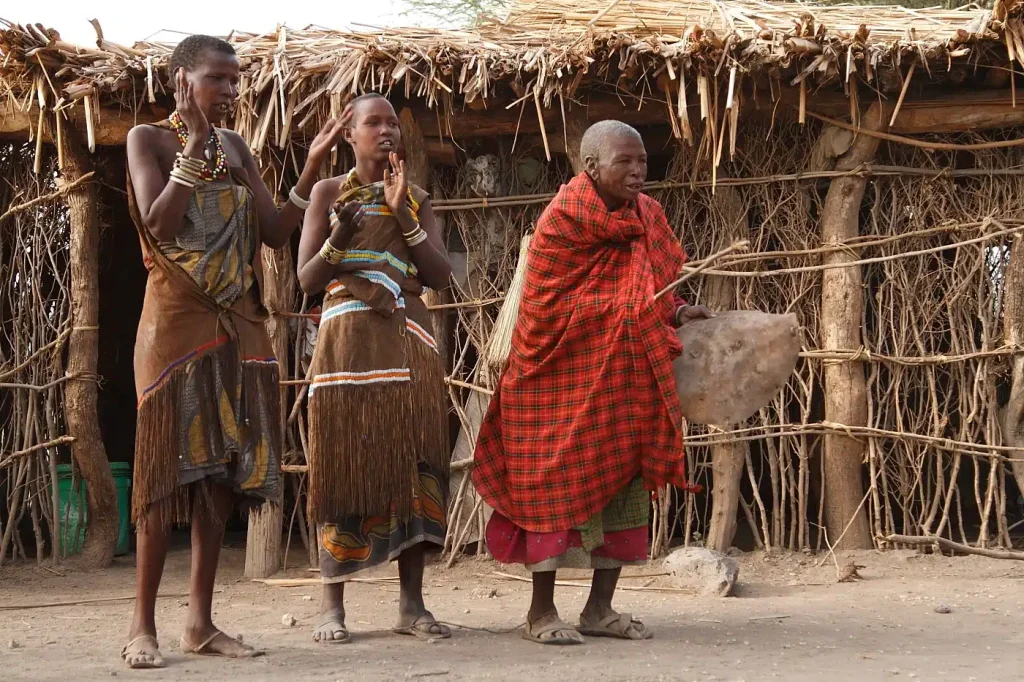
Before visiting Lake Eyasi, travelers should prepare for a rural environment and respect local customs.
Respect Local Customs
Every community has its own traditions and expectations. Follow your guide’s instructions and behave respectfully.
Ask Before Taking Photographs
Always ask permission before photographing people, homes, ceremonies, or personal activities.
Follow Your Guide’s Instructions
A local guide can explain appropriate behavior and help create respectful interactions.
Carry Drinking Water
Lake Eyasi can be hot and dry, especially during parts of the dry season. Carry enough drinking water for the journey.
Wear Comfortable Clothing
Light, comfortable clothing and suitable walking shoes are useful for cultural visits and outdoor activities.
Prepare for Rural Roads
Some roads toward Lake Eyasi can be rough, particularly after rainfall. Allow additional travel time.
Bring Sun Protection
A hat, sunglasses, sunscreen, and light clothing can make the journey more comfortable.
Be Respectful When Visiting Communities
Remember that the communities around Lake Eyasi are people’s homes. Cultural tourism should support respectful interaction rather than turn people into objects of entertainment.
Use Responsible Tourism Operators
Choose a tour operator that works respectfully with local communities and provides clear information about the cultural experience.
10 Frequently Asked Questions About Lake Eyasi
1. Where is Lake Eyasi located in Tanzania?
Lake Eyasi is located in northern Tanzania, southwest of the Ngorongoro Crater and in the Great Rift Valley. It is accessible through the Karatu area.
2. What is Lake Eyasi famous for?
Lake Eyasi is particularly known for its cultural experiences involving the Hadzabe and Datoga communities, as well as its lake scenery, rural landscapes, and birdlife.
3. Can you visit the Hadzabe community at Lake Eyasi?
Yes. Travelers can arrange guided cultural visits with Hadzabe communities in the Lake Eyasi area. Activities and experiences depend on local arrangements and should be conducted respectfully.
4. Can you visit the Datoga community at Lake Eyasi?
Yes. Cultural visits can provide opportunities to learn about Datoga pastoral traditions, blacksmithing, crafts, and community life.
5. What can you do at Lake Eyasi?
Activities can include Hadzabe cultural visits, learning about traditional hunting and gathering, visiting Datoga blacksmiths, exploring the lake area, bird watching, and learning about traditional livelihoods.
6. How far is Lake Eyasi from Arusha?
The Lake Eyasi area is roughly 170–185 km from Arusha by road, although the exact distance depends on the route and destination around the lake. Travel can take several hours because of road conditions and stops.
7. Can Lake Eyasi be visited from Ngorongoro?
Yes. Lake Eyasi can be combined with a Ngorongoro safari. Many itineraries use Karatu as a convenient base for accessing both areas.
8. What is the best time to visit Lake Eyasi?
Lake Eyasi can be visited throughout the year. However, travelers should consider rainfall, road conditions, bird activity, and the specific cultural experiences they want to arrange.
9. Is Lake Eyasi good for cultural tourism?
Yes. Lake Eyasi is particularly associated with cultural tourism because of the opportunity to learn about Hadzabe and Datoga communities and their traditional knowledge and livelihoods.
10. Can Lake Eyasi be included in a Tanzania safari itinerary?
Yes. Lake Eyasi can be combined with destinations such as Tarangire, Lake Manyara, Ngorongoro, and Serengeti. This allows travelers to combine wildlife experiences with cultural tourism.
Final Thoughts
Lake Eyasi Tanzania offers a different perspective on northern Tanzania. Instead of focusing only on wildlife, it brings together culture, traditional knowledge, rural landscapes, birdlife, and community experiences.
The Hadzabe and Datoga communities are an important part of the area’s cultural identity. Through responsible and respectful tourism, visitors can learn about different traditions, livelihoods, and relationships with the surrounding environment.
Moreover, Lake Eyasi can fit naturally into a wider northern Tanzania safari. It can be visited from Karatu or combined with destinations such as Ngorongoro, Lake Manyara, Tarangire, and Serengeti.
For travelers interested in culture, nature, photography, bird watching, and authentic community experiences, Lake Eyasi can add another dimension to a Tanzania safari.
