
Overview: How to Plan a Tanzania Safari
Planning a Tanzania safari involves several important decisions, including when to visit, which safari style to choose, what type of vehicle you prefer, how many days to spend, and how much to budget. You also need to decide which attractions and destinations fit your interests, such as Serengeti National Park, Ngorongoro Conservation Area, Tarangire National Park, Lake Manyara, Nyerere National Park, or Ruaha National Park.
Tanzania also offers experiences beyond traditional game drives. For example, you can combine your safari with Mount Kilimanjaro, a cultural visit around Lake Eyasi, or a relaxing beach holiday in Zanzibar. Your accommodation, transport between parks, and choice of safari company will also shape your overall experience.
This guide explains the main steps of how to plan a Tanzania safari, from choosing the best time and destinations to planning your itinerary, budget, accommodation, transport, and activities. Therefore, you can use it to create a safari that matches your interests, available time, and travel budget.
What to Know Before Planning a Tanzania Safari
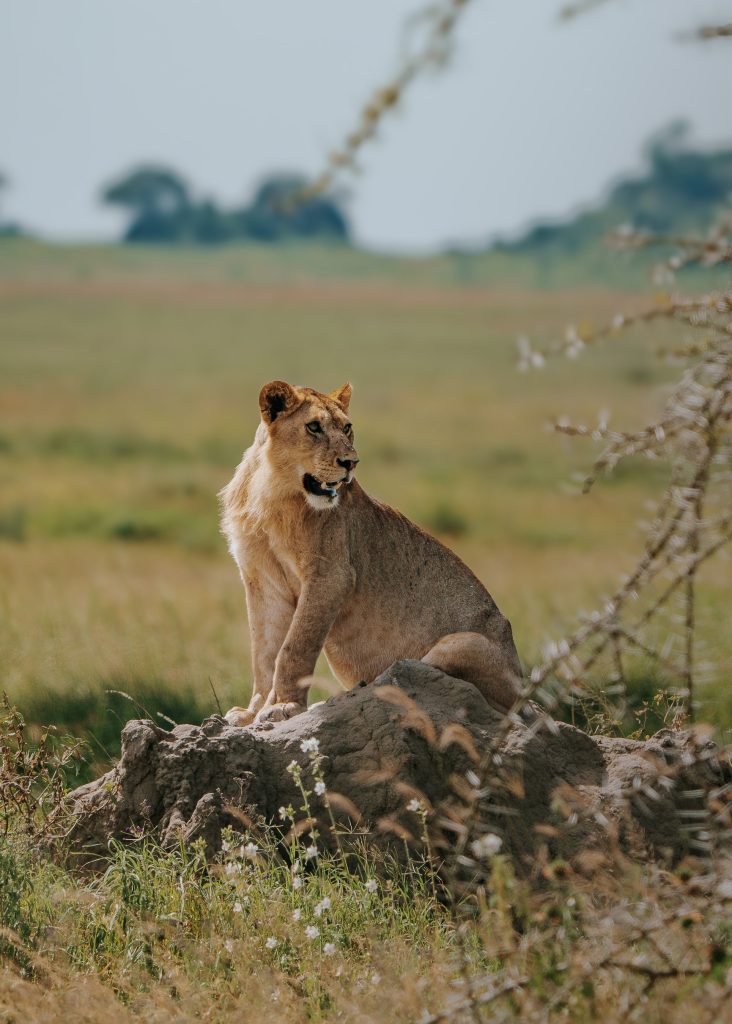
Before booking anything, a few key decisions will shape your entire trip. Start with your travel dates, since these determine wildlife activity, weather, and pricing. Next, set a realistic budget, because this affects nearly every other choice, from accommodation to vehicle type.
The number of travelers in your group also matters, as it influences vehicle size and whether a private or group safari makes more sense. Additionally, think about your safari interests, whether that’s predators, birdlife, migration, or scenery, since this guides which parks you prioritize.
Finally, consider your trip duration, preferred comfort level, and arrival airport. Together, these details form the foundation that every other planning decision builds on.
When Is the Best Time to Visit Tanzania for a Safari?
There isn’t one single “best” month for a Tanzania safari; instead, the right time depends on what you want to see. Broadly speaking, January to March offers warm weather and calving season in the southern Serengeti, while April and May bring the long rains and quieter parks.
From June to October, the dry season delivers excellent wildlife viewing and the dramatic river crossings of the Great Migration. Meanwhile, November and December bring short rains and the start of the migration’s move south again.
Because the migration itself changes location throughout the year, travelers hoping to witness it should plan around the migration calendar specifically, rather than general safari timing alone.
Tanzania’s Tourism Seasons: A Quick Starting Point
Before diving into the details, it helps to understand Tanzania’s two broad tourism seasons, since almost every planning decision connects back to timing.
High season
runs from late June through October, and again in December and January. During these months, wildlife viewing is at its best, roads are drier, and prices are generally higher due to demand.
Low season,
by contrast, covers the long rains from March to May, along with a shorter wet spell in November. As a result, this period brings lower costs and fewer crowds, though some roads and parks become harder to access.
Which Tanzania National Parks Should You Visit?
Tanzania’s parks are generally grouped into three regions, each offering a different kind of experience.
Northern Circuit
This includes the Serengeti, Ngorongoro Conservation Area, Tarangire, and Lake Manyara. It’s the most visited region and works well for first-time safari travelers.
Southern Circuit
Home to Nyerere National Park and Ruaha National Park, this region offers a quieter, more remote safari experience.
Western Tanzani
Featuring Mahale and Katavi, this area is known for chimpanzee trekking and untouched wilderness.
| Destination | Known For |
| Serengeti | Wildlife, predators, migration |
| Ngorongoro | Crater, dense wildlife, Big Five |
| Tarangire | Elephants, baobabs, dry-season wildlife |
| Lake Manyara | Birds, scenery, forest wildlife |
| Nyerere | Boat safaris, walking, wildlife |
| Ruaha | Elephants, predators, remote safari |
| Mahale | Chimpanzees, Lake Tanganyika |
For first-time visitors, the Northern Circuit is typically the easiest and most rewarding starting point, while the southern and western parks suit those seeking something quieter or more specialized.
Figuring Out How Many Days Your Safari Needs
The right trip length depends on your priorities, budget, and how many parks you’d like to see. As a general guide, 2 to 3 days allows a taste of one or two parks, while 4 to 5 days opens up a fuller Northern Circuit experience.
For those wanting more depth, 6 to 7 days provides extra time in each park, and 8 to 10 days or more allows for a relaxed pace or additional destinations. For example, a 3-day trip might combine Tarangire and Ngorongoro, while a 5-day trip could add the Serengeti. A 7-day itinerary allows more time across all three parks, and a 10-day trip permits a slower Northern Circuit or a second region altogether.
How Much Does a Tanzania Safari Cost?
Safari costs vary widely, so it’s best to think in terms of budget levels rather than one fixed price. Several factors influence the final cost, including the number of days, whether the safari is private or group-based, and the accommodation style chosen, whether camping, mid-range, or luxury.
Additional factors include the number of travelers, the season, park fees, transport, domestic flights, and any extra activities. Because of this variation, it helps to think in terms of budget categories:
- Budget safari
Camping-style accommodation, shared group vehicles
- Mid-range safari
Comfortable tented camps or lodges, private or small-group vehicles
- Luxury safari
High-end lodges or camps, private vehicles, added amenities
- High-end safari
Exclusive camps, fly-in options, highly personalized service
Should You Choose a Private or Group Safari?
Private safari
This option offers a flexible itinerary, your own private vehicle, and more control over game drive timing and pace. As a trade-off, it usually costs more than a shared option.
Group safari
Here, you share a vehicle with other travelers, which lowers the overall cost. However, the itinerary is often fixed or semi-fixed, and many travelers enjoy the social aspect of meeting others along the way.
Ultimately, the right choice depends on your budget, flexibility needs, and whether you’d prefer privacy or company during the trip.
How to Choose Your Safari Itinerary

Building the right itinerary starts with matching your travel month to your wildlife interests. From there, factor in your available days, your budget, and your arrival location, since these all shape what’s realistically possible.
Your driving tolerance matters too, as some routes involve long transfer times between parks. Likewise, your accommodation preference influences where you’ll base yourself each night. Above all, avoid the common mistake of trying to fit too many parks into too few days, since this often means more time driving than actually exploring.
What Is the Best Tanzania Safari Route?
The most popular option is the Classic Northern Circuit, which typically follows this route:
Arusha → Tarangire → Ngorongoro → Serengeti → Arusha
That said, alternative routes exist depending on your interests and available time, including extensions into the southern or western circuits for travelers seeking something different. For deeper detail on any single park along this route, it’s worth exploring dedicated guides to the Serengeti, Ngorongoro, and Tarangire.
How Do You Travel Between Tanzania Safari Parks?
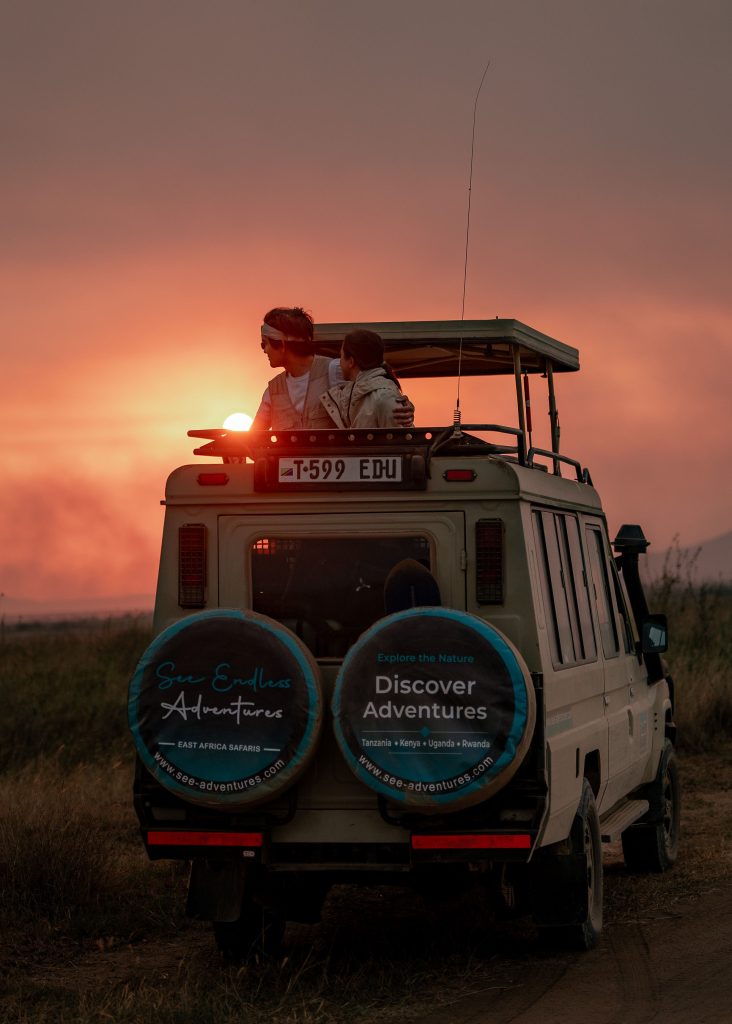
Most safaris rely on a 4×4 Land Cruiser or similar safari vehicle, which is well suited to Tanzania’s rougher park roads. For longer distances, domestic flights offer a faster alternative, particularly for reaching remote southern or western parks.
Because Tanzania is a large country, driving distances between parks can significantly affect your itinerary, so it’s worth planning transfer times carefully. Fly-in safaris, which combine short flights between parks, are also an option for travelers wanting to save time, alongside standard airport transfers at the start and end of the trip.
Where to Stay on a Tanzania Safari?
Accommodation options range widely, from public campsites and tented camps to safari lodges, luxury camps, and mobile camps that move with the migration. Each option offers a different balance of comfort, cost, and atmosphere.
Location matters as much as accommodation type, especially in a large park like the Serengeti. Staying close to the area you plan to explore can significantly reduce unnecessary driving time, leaving more hours for actual game viewing.
What Wildlife to See on a Tanzania Safari?
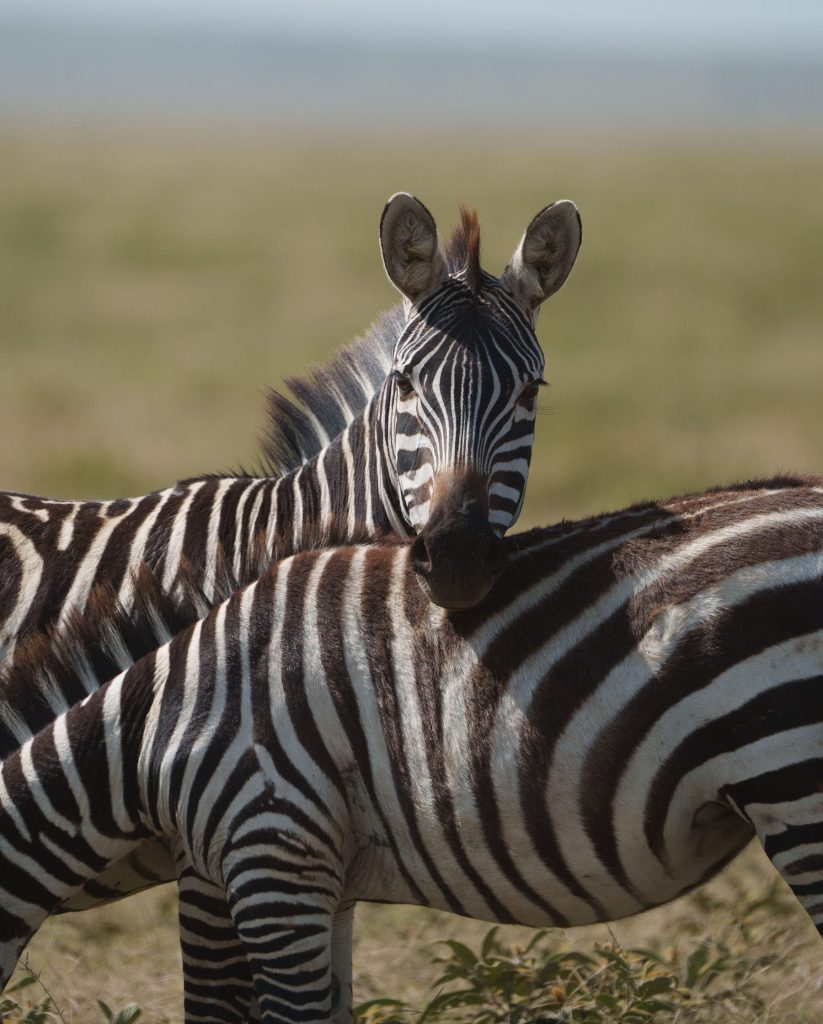
Tanzania’s parks are home to an impressive range of wildlife. Commonly seen species include lions, leopards, cheetahs, elephants, buffalo, giraffes, zebras, and wildebeest. Alongside these, hippos, rhinos, hyenas, and crocodiles frequently appear near water sources.
Birdlife is equally rich, with hundreds of species found across the different parks and ecosystems. For a deeper look at specific wildlife, dedicated guides covering the Big Five in Tanzania and wildlife in the Serengeti offer more detailed information.
How to Plan a Safari Around the Great Wildebeest Migration?
The Great Migration follows a predictable yearly pattern, though its exact timing can shift slightly from year to year. Calving season typically takes place in the southern Serengeti and Ndutu area, usually between January and March.
As the dry season progresses, the herds move toward the western and then northern Serengeti, eventually reaching the Mara River for its famous crossings around June to October. Because the migration’s location changes throughout the year, timing your safari around a specific migration event requires checking the current migration calendar rather than relying on general safari timing alone.
What to Pack for a Tanzania Safari?
Packing well makes a real difference to comfort during long game drives. Essentials include lightweight clothes, long trousers, and comfortable shoes, along with a hat, sunglasses, and sunscreen for sun protection.
Beyond clothing, insect repellent, a camera, and binoculars help you make the most of wildlife sightings. Round out your packing list with a reusable water bottle, a warm jacket for cool mornings and evenings, a small day bag, and any personal medication you need. For a more detailed breakdown, a dedicated safari packing list article can cover every item in depth.
What Documents Do You Need for a Tanzania Safari?
Before traveling, make sure you have a valid passport and, where required, a Tanzania visa arranged in advance or on arrival. Travel insurance is strongly recommended, alongside your flight documents and confirmations for both your safari booking and accommodation.
Depending on your home country, vaccination or health requirements may also apply. Because entry and health requirements can change over time, it’s important to verify current official guidance before finalizing your trip.
How to Choose a Tanzania Safari Company?
Choosing the right operator can make or break your trip, so it’s worth checking several factors carefully. Start with company registration and recent reviews, then look closely at the proposed itinerary and exactly what is included versus excluded.
Beyond that, consider the vehicle type, guide experience, and accommodation standard offered. Finally, review the cancellation policy, payment terms, emergency arrangements, and how responsive the company is in communication before your arrival. Taking time on this step helps ensure a smoother, more reliable trip overall.
What Is Included in a Tanzania Safari Package?
Most standard packages include the safari vehicle
-A professional guide
-park fees
-Accommodation
-Meals and drinking water
-Along with airport transfers
Understanding this baseline makes it easier to compare quotes across different operators.
Commonly excluded items include international flights, visa costs, travel insurance, tips, alcohol, personal expenses, and optional activities. Knowing what typically falls into each category helps you read quotations more accurately and avoid unexpected costs later.
Can You Combine a Tanzania Safari With Zanzibar?
Yes, and this is one of the most popular trip combinations for good reason. Pairing a wildlife safari with time on Zanzibar’s beaches offers a natural balance between adventure and relaxation.
Beyond a simple safari-plus-Zanzibar trip, travelers also combine Kilimanjaro with a safari, or go further with a full Kilimanjaro, safari, and Zanzibar combination. For those interested in climbing, a dedicated Kilimanjaro and Serengeti guide can help with planning that specific pairing.
What Are the Best Tanzania Safari Itineraries?
Rather than one universally “best” itinerary, the right choice depends on your priorities, time, and budget. Here are a few common examples:
3-Day Tanzania Safari: Tarangire → Ngorongoro → departure
5-Day Tanzania Safari: Tarangire → Ngorongoro → Serengeti → Serengeti → departure
7-Day Tanzania Safari: Tarangire → Ngorongoro → Central Serengeti → Serengeti → Serengeti → departure
10-Day Tanzania Safari: A fuller Northern Circuit with additional time in the Serengeti and other destinations
Each of these can be adjusted based on your specific interests, whether that’s more time watching predators, chasing the migration, or exploring beyond the Northern Circuit.
Frequently Asked Questions About Planning a Tanzania Safari
1. How much does a Tanzania safari cost?
Costs vary based on trip length, accommodation style, group size, and season, so it’s best to request a quote based on your specific plans.
2. How many days do I need for a Tanzania safari?
Most travelers choose between 3 and 10 days, depending on how many parks they want to visit and their available time.
3. What is the best month for a Tanzania safari?
It depends on your priorities; the dry season from June to October offers excellent wildlife viewing, while other months suit calving season or quieter travel.
4. What is the best safari park in Tanzania?
The Serengeti and Ngorongoro Crater are the most popular, though each park offers something different depending on your interests.
5. Is Tanzania good for a first safari?
Yes, particularly the Northern Circuit, which offers an accessible and rewarding introduction to African safaris.
6. How far in advance should I book a Tanzania safari?
Booking several months ahead is generally recommended, especially for travel during high season or migration periods.
7. What should I pack for a Tanzania safari?
Pack lightweight clothing, comfortable shoes, sun protection, insect repellent, and a camera or binoculars for wildlife viewing.
8. Is a private safari better than a group safari?
It depends on your priorities; private safaris offer more flexibility, while group safaris are typically more affordable.
9. Can I visit Serengeti and Ngorongoro on the same safari?
Yes, these two parks are commonly combined and sit close together on the Northern Circuit route.
10. Can I combine a Tanzania safari with Zanzibar?
Yes, this is a popular combination that pairs wildlife viewing with beach relaxation.
11. Can I combine Kilimanjaro and Serengeti?
Yes, many travelers combine a Kilimanjaro climb with a Serengeti safari for a fuller Tanzania adventure.
12. Which airport should I fly to for a Tanzania safari?
Kilimanjaro International Airport is the most common entry point for Northern Circuit safaris.
13. What is included in a Tanzania safari package?
Most packages include the vehicle, guide, park fees, accommodation, meals, and water, though specifics vary by operator.
14. Is Tanzania expensive for a safari?
Costs range from budget to luxury, so Tanzania can suit a variety of travel budgets depending on choices made.
15. What is the best Tanzania safari itinerary?
There’s no single best itinerary; the right one depends on your available days, interests, and budget.
Final Thoughts
Planning a Tanzania safari involves many moving parts, but breaking it down into clear decisions, timing, parks, budget, itinerary, and logistics, makes the process far more manageable. With the right preparation, you can build a trip that matches your interests, comfort level, and available time.
Whether you’re drawn to the classic Northern Circuit or curious about Tanzania’s quieter southern and western parks, the key is starting with a clear picture of what you want from the experience. From there, the rest of the planning falls naturally into place.
