
The Big Five is a name every safari traveler hears sooner or later, but few know where it actually comes from. It simply refers to five famous African animals: the lion, leopard, elephant, buffalo, and rhino. Long ago, hunters gave them this name because they were the hardest and most dangerous to hunt on foot. Today, that same list has become the top wildlife checklist for anyone visiting Tanzania.
The Big Five animals in Tanzania draw more first-time safari travelers than almost anything else on the continent, and few places offer better odds of spotting all five. In particular, the Serengeti and Ngorongoro Crater stand out as the top destinations. Meanwhile, Tarangire and Nyerere National Park offer strong sightings of their own. Wide open parks and healthy wildlife numbers make this one of the top countries for the search.
Interestingly, the name has nothing to do with size. It was coined by old hunters to describe the five animals that were hardest and most dangerous to track on foot. Today, it simply marks the five sightings most travelers hope to check off during a safari. This guide keeps things simple, covering what the Big Five actually are. It explains the best parks to find them, including where each animal is most reliably spotted, the right time of year, and how to plan a trip built around seeing all five.
What Are the Big Five Animals?
The Big Five are
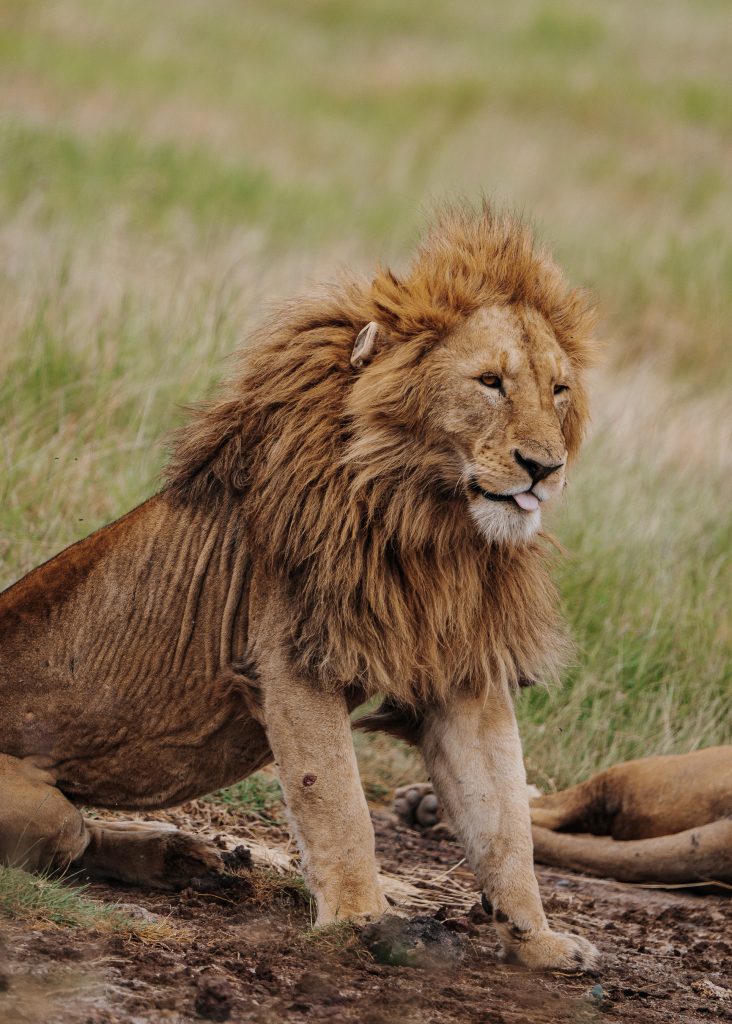
-Lion
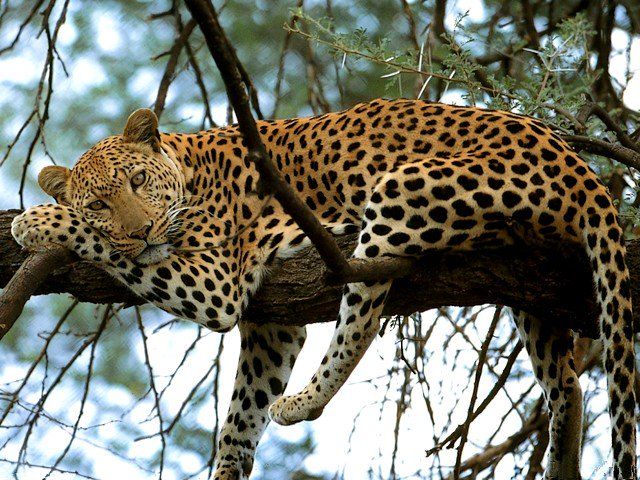
-Leopard
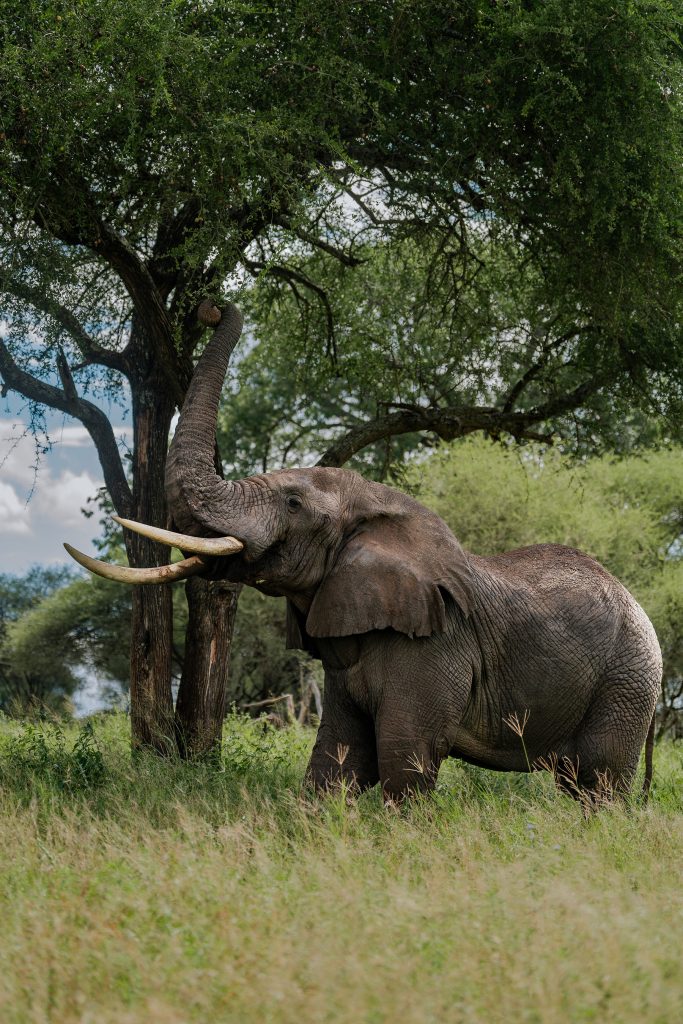
-Elephant
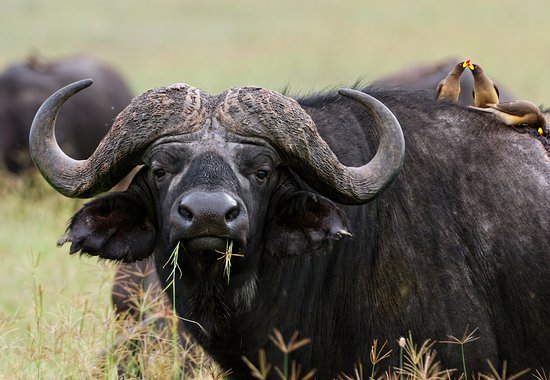
-African buffalo
-Black rhino.
Early hunters named this group long before modern safaris existed, based on which animals were hardest to hunt on foot. The term stuck, and today it means something very different.
Now the phrase belongs to wildlife viewing rather than hunting. Photographers and safari travelers use it as a simple checklist for a trip well spent. Seeing all five in one visit remains a strong goal for most first-time visitors.
Tanzania offers a real shot at completing this list, thanks to its mix of large parks and protected habitats. Few countries in Africa can match its combination of easy access and healthy Big Five populations.
Where to See the Big Five in Tanzania
Several parks across Tanzania hold strong Big Five populations, though rhino sightings stay limited to just a few locations. Below are the main destinations worth considering.
- Serengeti National Park
Huge numbers of lion, leopard, elephant, and buffalo live here year-round, though rhino sightings stay rare and unpredictable.
- Ngorongoro Crater
The single best spot in Tanzania to see all five in one day, thanks to its enclosed floor and small black rhino population.
- Tarangire National Park
Famous for elephant herds, with lion, leopard, and buffalo also common across its baobab-studded landscape.
- Lake Manyara National Park
Known for tree-climbing lions, alongside healthy numbers of elephant, buffalo, and leopard.
- Ruaha National Park
A wilder, less-visited park with strong lion, leopard, elephant, and buffalo numbers, though rhino are absent.
- Nyerere National Park (formerly Selous Game Reserve) – Vast and remote, home to elephant, lion, leopard, and buffalo, with a small reintroduced black rhino population in a protected sanctuary zone.
Ngorongoro Crater remains the top single choice for a full Big Five day, while the Serengeti offers the widest overall wildlife experience across a longer stay.
What Makes These Animals Ranked as the Big Five
The Big Five earned their name from big-game hunters in the colonial era, who ranked animals by how dangerous they were to hunt on foot. Lion, leopard, elephant, buffalo, and rhino all had a reputation for turning the tables on an unprepared hunter.
Buffalo, in particular, gained a fearsome reputation among hunters for charging without warning when wounded or cornered. Elephant and rhino added sheer size and strength to the list, while lion and leopard brought stealth and raw power.
The ranking has nothing to do with rarity, beauty, or size compared to other African animals. It survives today purely as a well-known label, now used by photographers and travelers instead of hunters chasing a trophy.
Best Places for a Big Five Safari in Tanzania
For travelers with limited time, Ngorongoro Crater offers the strongest single-day chance at all five animals anywhere in the country. Its compact, enclosed floor keeps wildlife concentrated within easy reach of a normal game drive.
For a longer trip, pairing the Serengeti with Ngorongoro gives the best overall balance between big cat sightings and the added chance of spotting rhino. The Serengeti alone rarely delivers rhino. Therefore, this combination fills that gap.
Travelers seeking a quieter, less-crowded experience often add Tarangire or Ruaha to the mix. Both parks deliver four of the five reliably, trading rhino sightings for a wilder, more remote atmosphere.
What to Know About Tanzania’s Big Five Animals
Rhino sightings remain the hardest of the five to guarantee, since Tanzania’s black rhino population stays small and closely protected. Ngorongoro Crater and a guarded sanctuary zone in Nyerere National Park hold the country’s best remaining numbers.
Lion, leopard, elephant, and buffalo appear far more reliably across most major parks. However, leopard still takes patience to spot, since the cats stay hidden in trees and thick brush during the heat of the day.
No park can promise all five on a single game drive, since wild animals never follow a fixed schedule. Choosing the right combination of parks and allowing enough days remains the best way to raise your odds.
Best Time for Big Five Wildlife Viewing in Tanzania
The dry season, from roughly June to October, offers the clearest sightings across most parks. Thinner vegetation and animals gathering near permanent water sources make spotting far easier during these months.
Ngorongoro Crater holds strong wildlife numbers all year, since its enclosed floor keeps animals close by regardless of season. This makes it a solid choice even outside the main dry-season window elsewhere in the country.
The wetter months bring lush scenery and lower rates, though taller grass can make spotting harder in open parks like the Serengeti and Tarangire. Either season can work well, depending on your priorities for cost, crowds, and photography conditions.
Big Five Animals Found Across Tanzania’s National Parks
Not every park holds all five animals, so knowing the breakdown helps with planning. The Serengeti and Ngorongoro both host lion, leopard, elephant, and buffalo in strong numbers, with Ngorongoro adding rhino to the list.
Tarangire and Lake Manyara offer reliable elephant, lion, leopard, and buffalo sightings, but neither park holds a resident rhino population. Ruaha follows the same pattern further south, delivering four of the five in a wilder setting.
Nyerere National Park stands apart in the south, holding all five thanks to a protected rhino sanctuary alongside its large elephant, lion, leopard, and buffalo populations. This makes it one of the few complete Big Five destinations outside the northern circuit.
Tanzania Safari Destinations for Big Five Encounters
Northern circuit travelers usually combine the Serengeti, Ngorongoro, Tarangire, and Lake Manyara into one connected route. This grouping covers four of the five animals with ease, and Ngorongoro fills in the rhino sighting.
Southern circuit travelers instead look toward Ruaha and Nyerere National Park, both offering a quieter, less-crowded alternative. Nyerere’s rhino sanctuary makes it a strong choice for those wanting all five without joining the busier northern route.
Choosing between the two circuits often comes down to crowd preference and trip length. The northern circuit suits shorter, more efficient trips. In contrast, the south rewards travelers with extra time and a taste for remote wilderness.
Seeing All Five Big Five Animals on One Tanzania Safari
Ngorongoro Crater offers the single best chance to see all five animals within one day, thanks to its enclosed, wildlife-dense floor. Many travelers complete their Big Five checklist here after missing rhino elsewhere on their trip.
A longer safari combining the Serengeti with Ngorongoro raises the odds even further, since the two parks complement each other’s strengths. The Serengeti supplies strong cat and elephant sightings, while Ngorongoro adds the rhino piece.
No guide can promise a guaranteed sighting of every animal, since wildlife never follows a set schedule. Allowing several days across the right parks remains the most realistic way to complete the full list.
Seeing All Five Big Five Animals on One Tanzania Safari
Ngorongoro Crater offers the single best chance to see all five animals within one day, thanks to its enclosed, wildlife-dense floor. Many travelers complete their Big Five checklist here after missing rhino elsewhere on their trip.
A longer safari combining the Serengeti with Ngorongoro raises the odds even further, since the two parks complement each other’s strengths. The Serengeti supplies strong cat and elephant sightings, while Ngorongoro adds the rhino piece.
No guide can promise a guaranteed sighting of every animal, since wildlife never follows a set schedule. Allowing several days across the right parks remains the most realistic way to complete the full list.
Leopard
Solitary and elusive, leopards favor wooded riverbanks and tree cover. The Serengeti’s Seronera Valley ranks among the best spots in the country for a sighting.
Elephant
Large herds move across Tarangire and the Serengeti, with Tarangire in particular known for some of the biggest elephant gatherings in East Africa.
Buffalo
Herds numbering in the hundreds graze across most major parks, often gathering near rivers and swamps where water stays available year-round.
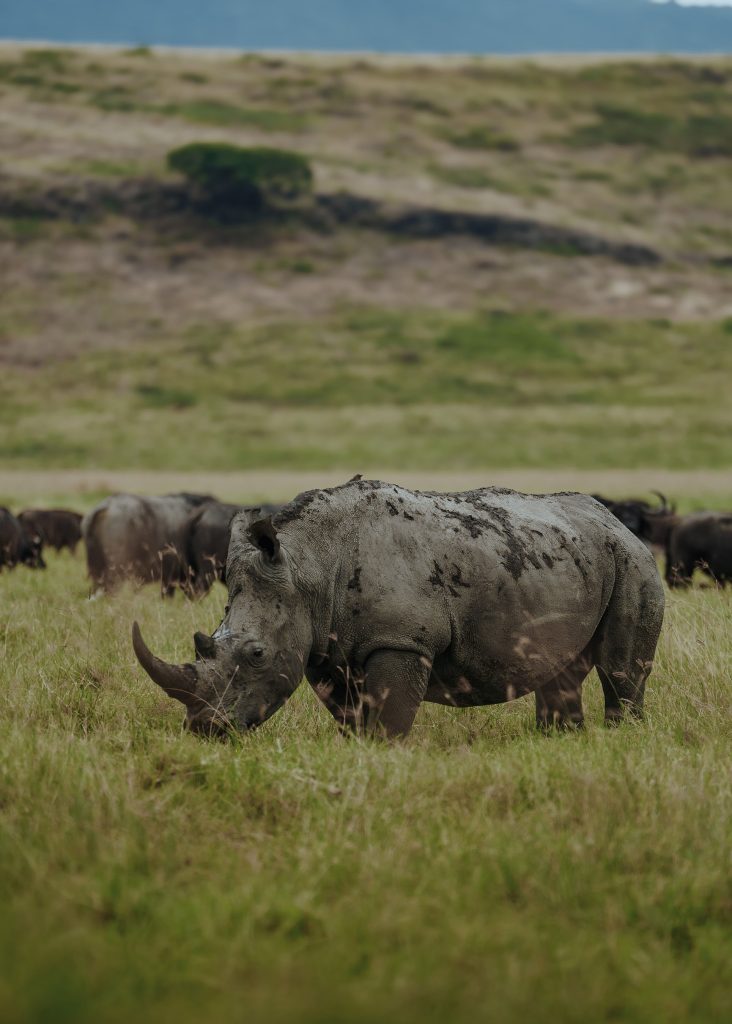
Rhinoceros
The rarest of the five in Tanzania, with small black rhino populations surviving mainly in Ngorongoro Crater and a protected sanctuary within Nyerere National Park.
Big Five Wildlife Viewing in the Serengeti and Ngorongoro
The Serengeti offers vast plains and healthy numbers of lion, leopard, elephant, and buffalo across its different regions. Seasonal movement of the wildebeest migration also draws predators into predictable areas at certain times of year.
Ngorongoro Crater complements the Serengeti perfectly by adding a strong rhino population within a small, easy-to-cover area. Its enclosed floor keeps sightings consistent regardless of season, unlike the more spread-out Serengeti.
Together, these two parks form the backbone of most Big Five itineraries in Tanzania. Pairing a few days in each gives travelers the best realistic shot at completing the full list on one trip.
How to Planning a Tanzania Safari Around the Big Five?
Start by deciding how many days you can dedicate to wildlife viewing, since more time in the right parks always raises your odds. A trip of at least five to seven days gives enough flexibility to search properly for all five animals.
Next, choose a route that includes Ngorongoro Crater if rhino sightings matter to you, since few other parks in Tanzania offer a realistic chance. Pairing it with the Serengeti or Tarangire fills in strong numbers of the other four animals.
Finally, work with an experienced local operator who tracks current wildlife movement. A knowledgeable guide can adjust your route day to day, giving you the best possible chance of completing the Big Five before your trip ends.
Frequently Asked Questions About the Big Five in Tanzania
1. What are the Big Five animals?
The Big Five are the lion, leopard, elephant, African buffalo, and black rhino, originally named by hunters for being the hardest and most dangerous to track on foot.
2. Where is the best place to see all five in one day?
Ngorongoro Crater offers the strongest single-day chance, thanks to its enclosed floor and small resident black rhino population.
3. Which Tanzania park is hardest to see rhino in?
Rhino sightings are limited almost everywhere except Ngorongoro Crater and a protected sanctuary zone within Nyerere National Park.
4. Can you see the Big Five in the Serengeti?
Yes, though rhino sightings there stay rare and unpredictable, so most travelers pair the Serengeti with Ngorongoro to complete the list.
5. Is Tarangire good for Big Five sightings?
Tarangire is excellent for elephants, lion, leopard, and buffalo, but it does not hold a resident rhino population.
6. What is the best time of year for Big Five viewing?
The dry season, from roughly June to October, offers the clearest sightings, though Ngorongoro remains strong year-round thanks to its enclosed ecosystem.
7. How many days do you need for a Big Five safari?
Most travelers should plan at least five to seven days to allow enough time and flexibility across the right combination of parks.
8. Which parks make up the southern circuit for Big Five sightings?
Ruaha and Nyerere National Park form the main southern circuit option, with Nyerere’s rhino sanctuary making it one of the few complete Big Five destinations outside the north.
9. Is seeing all five animals guaranteed?
No, wildlife sightings can never be guaranteed since animals don’t follow a fixed schedule, but choosing the right parks and allowing enough days greatly improves the odds.
10. What’s the easiest combination of parks for a Big Five trip?
Pairing the Serengeti with Ngorongoro Crater is widely considered the most reliable combination, covering strong cat and elephant sightings alongside a realistic chance at rhino.
Final Thoughts
Completing the Big Five checklist in Tanzania comes down to choosing the right parks and giving yourself enough time to look properly. Ngorongoro Crater remains the standout destination for rhino, while the Serengeti, Tarangire, and Ruaha reliably deliver the other four across some of Africa’s most spectacular landscapes.
Whether you’re drawn to the classic northern circuit or the quieter trails of the south, pairing the right parks with an experienced local guide gives you the best realistic shot at seeing all five animals on one unforgettable Tanzania safari.
