A cultural visit in Tanzania offers something a game drive never can. Experiencing cultural tourism in Tanzania allows you to have a real conversation with the people who call this land home. In addition, the Maasai, Hadzabe, and Datoga each follow a different way of life, shaped by centuries of history in different parts of the country.
People often mention these three groups together. Yet, they differ in almost every way. For example, one herds cattle, another still hunts with a bow, and a third works metal by hand. In addition, each group speaks its own language and follows its own daily rhythm.
This guide keeps things simple. First, it explains who each group is, where they live, and how they live today. It also covers what a respectful Tanzania cultural experience actually involves. By the end, you will know what to expect before booking a cultural stop.
The Maasai, Hadzabe and Datoga: Three Famous Cultural Communities in Tanzania
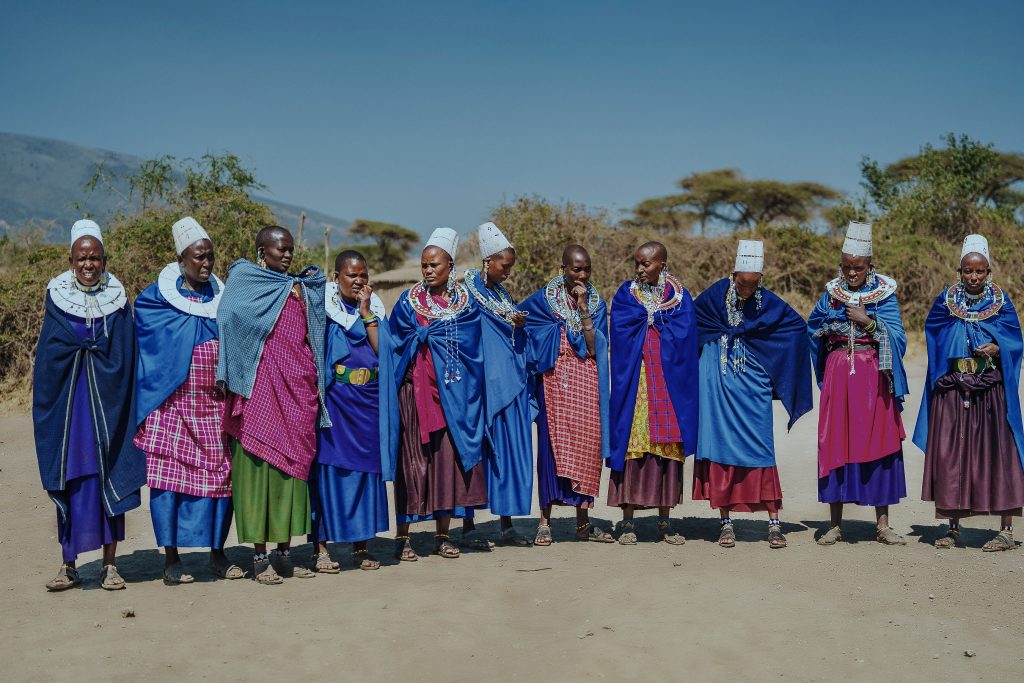
Tanzania has many ethnic communities, and each community has its own language, traditions and way of life. Among the communities that visitors commonly learn about during cultural tourism in Tanzania are the Maasai, Hadzabe and Datoga. Although they live in some of the same broad regions, their histories, livelihoods and cultural practices differ.
A cultural visit in Tanzania can introduce travelers to these different communities and provide a closer understanding of their traditions. Instead of simply seeing cultural activities from a distance, visitors can learn about the people, their history and their daily lives.
The Maasai
The Maasai are one of the best-known pastoral communities in East Africa, and many people strongly associate them with northern Tanzania. Many Maasai communities live in and around the northern safari circuit, including parts of the Ngorongoro region. Traditionally, cattle and other livestock have played an important role in Maasai social and economic life.
A Maasai cultural visit can introduce travelers to traditional homes, livestock keeping, beadwork, songs, dances and community activities. Maasai clothing and colorful beadwork also form important parts of their cultural identity. Today, many Maasai combine traditional practices with education, tourism, business and other aspects of modern life.
The Hadzabe
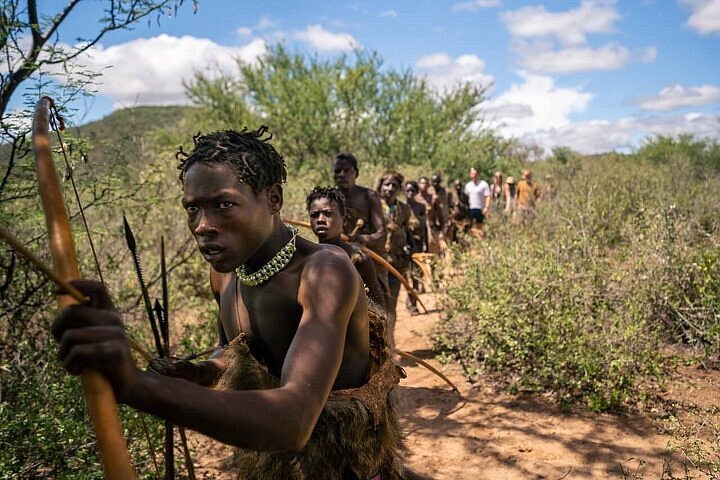
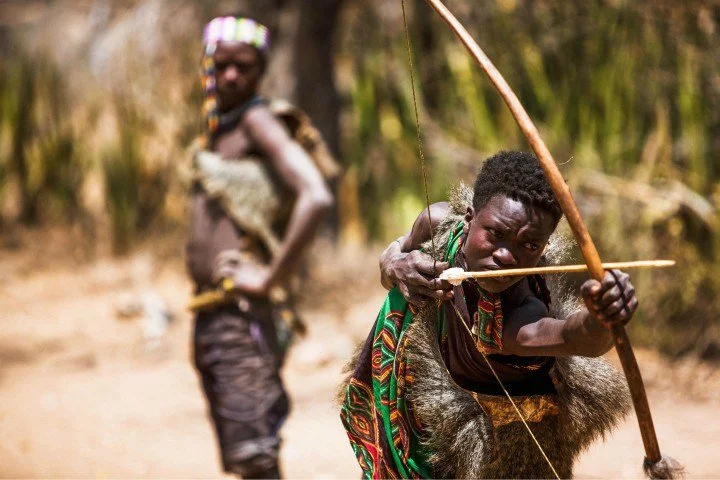
The Hadzabe are an Indigenous community primarily associated with the Lake Eyasi area of northern Tanzania. Their traditional lifestyle has closely connected them with hunting, gathering and detailed knowledge of the natural environment. This lifestyle makes their cultural experience different from the pastoral traditions commonly associated with the Maasai and Datoga.
During a Hadzabe cultural experience, visitors may learn about traditional hunting techniques, wild foods, gathering practices, tools and the relationship between people and the surrounding environment. These activities give travelers an opportunity to understand traditional knowledge that generations have passed down. At the same time, Hadzabe communities today experience changes from education, markets, land-use pressures and modern life.
The Datoga
The Datoga are another important cultural community in northern Tanzania, particularly around Lake Eyasi and the wider northern region. Traditionally, livestock keeping has played an important role in Datoga life, while some Datoga groups also practice traditional metalworking and blacksmithing. Their skills and knowledge form a distinctive part of Tanzania’s cultural heritage.
A Datoga cultural experience may allow travelers to learn about livestock keeping, traditional homes, food, clothing and community life. Visitors may also observe traditional metalworking, where skilled craftspeople create useful tools and other objects. Like other communities in Tanzania, Datoga people today combine cultural traditions with changing modern lifestyles.
Understanding the Difference Between the Maasai, Hadzabe and Datoga
The Maasai herd cattle for a living. In addition, they wear bright red clothing and follow a semi-nomadic lifestyle across northern Tanzania. Because of this, cattle sit at the center of their wealth, food, and identity. As a result, their communities remain some of the most visited in East Africa.
The Hadzabe, however, stand apart as one of the world’s best-known hunter-gatherer communities. They forage and hunt using bows and arrows. In addition, they speak a distinctive language that includes click sounds. Few other languages in the region share this feature.
The Datoga live differently again. Instead, they work as skilled metalworkers and small-scale farmers in northern Tanzania, particularly around the Manyara region. They keep cattle too, but their craft also plays an important role in their livelihoods. For example, many hand-forge arrowheads, bracelets, and tools.
These differences make a cultural visit in Tanzania particularly interesting. Travelers can learn about three distinct communities while exploring different traditions, livelihoods and relationships with the surrounding environment.
Where the Maasai, Hadzabe and Datoga Live in Tanzania?
The Maasai live mainly across northern Tanzania. For example, you will find many communities around the Ngorongoro Conservation Area and the wider Arusha region. In addition, their territory stretches into southern Kenya, since their communities existed long before modern national borders.
The Hadzabe, meanwhile, live near the shores of Lake Eyasi, close to the southern Serengeti area. Today, their population remains relatively small. Still, many Hadzabe communities continue to live in this region, where wild foods and water support their traditional way of life.
The Datoga settle mainly in northern Tanzania, including areas around the Manyara region. In addition, smaller communities live in parts of the Singida region further south. As a result, some Datoga communities live close enough to Lake Eyasi for visitors to combine both cultural experiences in one itinerary.
For travelers planning a cultural visit in Tanzania, knowing where each community lives can help with itinerary planning. The location can influence whether a traveler chooses a Maasai cultural visit, a Hadzabe experience, a Datoga experience, or a combination of several communities.
Origins and History of the Maasai, Hadzabe and Datoga Communities
The Maasai have a long history in East Africa. Historical accounts describe their movement south from the Nile Valley region in search of suitable grazing areas. Because of this pastoral way of life, cattle became central to their economy and social identity. Land and livestock also influenced relationships between different communities over time.
The Hadzabe, on the other hand, have a much longer history in the Lake Eyasi region. Researchers have studied their language, genetics, archaeology, and traditional way of life to understand their deep connection with the area. Their history remains closely connected with the environment in which they have traditionally hunted and gathered.
The Datoga have a long history among the Nilotic peoples of northern Tanzania. Like the Maasai, they have historically relied heavily on cattle. In addition, interactions with neighboring communities such as the Iraqw and Hadzabe have influenced parts of their history. Today, Datoga communities also welcome visitors who want to learn about their culture and traditional skills.
Understanding this history can make a cultural visit in Tanzania more meaningful. Instead of simply observing cultural activities, travelers can understand some of the historical background behind the traditions they encounter.
How the Maasai, Hadzabe and Datoga Live Today?
Many Maasai still herd cattle and live in traditional homesteads. Meanwhile, modern life has reached many communities through education, tourism income, farming, technology, and business. As a result, younger generations increasingly divide their time between traditional responsibilities, school, employment, and other activities.
The Hadzabe continue to maintain important traditional practices. Even today, some families still rely on hunting, gathering, and knowledge of wild foods for part of their daily needs. However, growing tourism, farming, land-use changes, and other modern pressures continue to influence their traditional lifestyle.
The Datoga, by comparison, blend traditional practices with modern economic activities. For example, they combine cattle keeping with small-scale farming and craft sales to visitors. In addition, families continue to pass metalworking skills from one generation to another, giving the community an important source of income alongside livestock and other activities.
This mixture of traditional knowledge and modern life forms an important part of a genuine Tanzania cultural experience. Visitors can learn about traditions while also seeing how communities adapt to the present day. This approach gives travelers a more realistic understanding of Tanzania’s cultural diversity.
What Traditions and Cultural Practices They Are Known For?
The Maasai practice strong age-set traditions. For example, young men move through different stages of life, from warrior to elder, through specific cultural practices and ceremonies. In addition, rites of passage, including initiation and marriage, remain important parts of Maasai identity. Many Maasai also follow traditional beliefs centered on a single god known as Enkai.
The Hadzabe, by contrast, organize many aspects of cultural life around daily activities rather than a formal ceremony system. Instead, they pass down hunting, gathering, environmental knowledge, stories, songs, and other skills through everyday life. Overall, storytelling, traditional dance, and group decision-making play important roles in their social world.
The Datoga stand out for their metalworking craft. In addition, some community members practice distinctive forms of body decoration, including traditional tattoos. Beadwork and brass jewelry also carry cultural meaning and can reflect aspects of identity, status, or achievement within the community.
These traditions are an important part of cultural tourism in Tanzania. A cultural visit in Tanzania allows travelers to learn about these practices while understanding that traditions can vary between communities and families.
What to Experience During a Cultural Visit in Tanzania
A cultural visit in Tanzania can introduce travelers to a Maasai boma, a Hadzabe community near Lake Eyasi, or a Datoga settlement. Each experience offers a different opportunity to learn about local traditions and daily life. The activities you experience depend on the community and the type of cultural tour arranged.
What Can You Experience During a Maasai Cultural Visit?
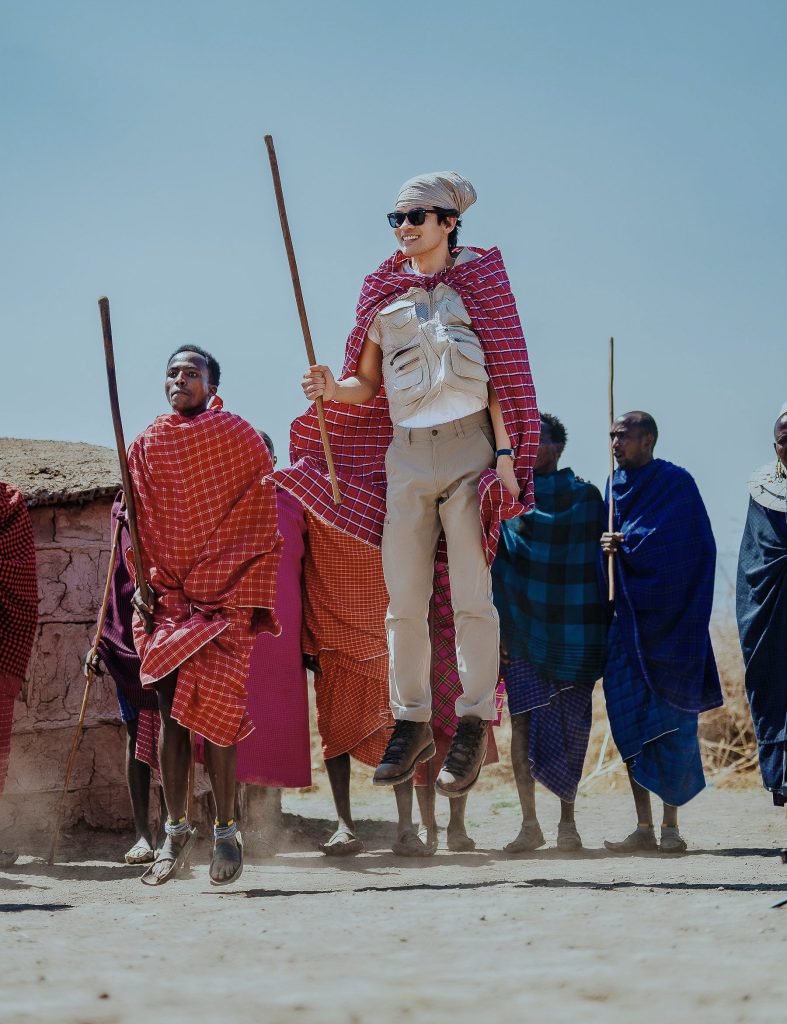
A Maasai cultural visit may include learning about traditional homes, cattle keeping, beadwork and community traditions. Visitors may also learn about the role of livestock and observe cultural activities within the community. The experience can help travelers understand Maasai traditions beyond what they see during a safari.
What Can You Experience During a Hadzabe Cultural Experience?
A Hadzabe experience may focus more on traditional hunting and gathering knowledge and the relationship between people and the environment. Visitors may learn about traditional tools, wild foods and knowledge of the surrounding landscape. Local guides can explain the activities and their cultural importance.
What Can You Experience During a Datoga Cultural Experience?
A Datoga experience may include pastoral life, traditional homes and demonstrations of metalworking. Visitors can learn how skilled craftspeople work with metal to produce useful objects and traditional items. The experience can provide insight into the connection between traditional skills and daily life.
Cultural tourism can also include activities such as local food experiences, village walks, coffee tours and visits to craft workshops. These activities can add variety to a Tanzania cultural experience. They also give visitors more opportunities to interact with local communities.
Maasai, Hadzabe and Datoga Homes, Food, Clothing and Daily Life
What Are Traditional Maasai Homes Like?
Traditional Maasai homes are commonly associated with temporary settlements and houses that families build from locally available materials. Clothing and beadwork also form important visual elements of Maasai cultural identity. Cattle and other livestock have traditionally played a central role in family and community life.
What Food and Shelters Are Associated With the Hadzabe?
Hadzabe traditional shelters have generally used simple structures made from materials available in their environment. Their traditional diet has included foods obtained through hunting and gathering, including wild plants, fruits, honey and meat. Their knowledge of the surrounding landscape forms an important part of their cultural heritage.
What Are Datoga Homes and Daily Life Like?
Datoga homes and daily life can differ according to the community and its livelihood. Some Datoga communities practice pastoralism, while some Datoga families are known for traditional metalworking and crafts. Their clothing, household activities, food and economic life can therefore be understood within the wider context of their pastoral and craft traditions.
Can Maasai, Hadzabe and Datoga Cultural Visits Be Combined With a Safari?
Yes, a cultural visit in Tanzania can fit naturally into a northern Tanzania safari itinerary. Northern Tanzania makes this particularly convenient because wildlife destinations and cultural attractions can form part of the same journey. The Ngorongoro area is particularly associated with cultural experiences involving Maasai, Hadzabe and Datoga communities.
How Can You Combine Culture With a Northern Tanzania Safari?
For example, a safari can combine Tarangire National Park with a cultural experience before continuing toward Ngorongoro and Serengeti. Travelers interested in Hadzabe and Datoga experiences can consider adding Lake Eyasi to a northern Tanzania itinerary. The exact route should depend on the visitor’s available time, interests and chosen cultural experience.
A cultural experience can also help create a balanced safari itinerary. Instead of spending every day inside a safari vehicle, travelers can meet local people and learn about life outside the national parks. This combination can give visitors a broader understanding of Tanzania’s wildlife, landscapes and people.
For travelers searching for a Tanzania cultural safari, combining wildlife viewing with cultural activities can create a varied itinerary. A cultural visit in Tanzania can fit before, between or after wildlife destinations, depending on the route and available time.
What Visitors Should Know Before Visiting a Tanzanian Cultural Community
Why Is Respect Important During a Cultural Visit?
Respect should remain the first priority during any cultural visit. Visitors should ask permission before taking photographs, listen to local guides and avoid entering private areas without permission. Appropriate clothing and respectful behavior also matter when visiting villages and community spaces.
Travelers should also understand that a cultural community is not a tourist attraction in the same way as a monument or national park. People have their own homes, families, beliefs and daily responsibilities. Visitors should therefore avoid treating community members as subjects for photographs or expecting people to perform activities that are not part of their normal life.
How Can You Choose a Responsible Cultural Tour?
Choosing a responsible local tour operator can also make a difference. A good cultural experience should clearly explain what visitors will see, how the community participates and how payments work. This approach creates a more respectful experience for both travelers and host communities.
How Cultural Tourism Supports Local Communities in Tanzania
Cultural tourism can provide economic opportunities for communities when local people genuinely participate in tourism activities. Possible benefits include income from guiding, cultural performances, crafts, accommodation, food experiences and other locally provided services. Community involvement can help ensure that tourism creates value beyond the visitor experience.
How Can Cultural Tourism Benefit Local People?
Cultural tourism can also create opportunities to maintain and share traditional knowledge. When visitors purchase locally produced crafts or use community-based services, part of the tourism value can remain within the local economy. Cultural experiences can therefore connect visitors with communities while creating opportunities for local participation.
However, the benefits of cultural tourism depend on how communities and tourism partners manage the experience. Responsible tourism should respect local decision-making, traditions, privacy and fair economic participation. For travelers, choosing community-involved experiences is one way to make cultural visits more meaningful and responsible.
Frequently Asked Questions About Cultural Visits in Tanzania
What Is a Cultural Visit in Tanzania?
A cultural visit in Tanzania is an opportunity to meet local communities and learn about their traditions, lifestyles, food, crafts and daily activities. It can take place in villages, community projects, cultural centers or other designated cultural tourism areas. The experience can form part of a wildlife safari or work as a separate activity.
Which Communities Can Visitors Experience in Northern Tanzania?
Northern Tanzania offers opportunities to learn about several communities, including the Maasai, Hadzabe and Datoga. The Lake Eyasi and Ngorongoro areas are particularly associated with cultural experiences involving these communities. The type of experience varies depending on the destination and local arrangements.
Can a Cultural Visit Be Combined With the Serengeti and Ngorongoro Safari?
Yes, a cultural visit in Tanzania can form part of a northern Tanzania safari. A route may include destinations such as Tarangire, Ngorongoro and Serengeti, with a cultural activity added along the way. The itinerary should allow enough time for both wildlife viewing and meaningful community interaction.
What Should I Wear During a Cultural Visit?
Comfortable and respectful clothing works well during a cultural visit. Clothing that covers the shoulders and knees offers a practical choice when visiting communities and participating in cultural activities. Your local guide can advise you if a particular community has additional expectations.
Is Photography Allowed During Cultural Visits?
Photography rules can vary between communities and activities. Always ask for permission before photographing people, especially children, homes, ceremonies or private activities. Respecting a person’s decision not to be photographed remains an important part of responsible cultural tourism.
Conclusion
A cultural visit in Tanzania offers more than a short break from wildlife viewing. It gives travelers an opportunity to learn about different communities, understand traditional knowledge and see how people continue to adapt to modern life. The Maasai, Hadzabe and Datoga each offer different perspectives on Tanzania’s cultural heritage.
From Maasai pastoral traditions to Hadzabe knowledge of the natural environment and Datoga pastoral and metalworking traditions, northern Tanzania offers a wide range of cultural experiences. These experiences can combine with destinations such as Ngorongoro, Tarangire and Serengeti to create a more diverse safari journey.
The most meaningful cultural visits focus on respect, genuine community participation and responsible tourism. By listening to local people, respecting their traditions and supporting locally provided services, travelers can enjoy a richer experience while contributing to the communities they visit. Cultural tourism in Tanzania therefore provides a valuable way to discover another side of Tanzania beyond its famous wildlife and landscapes.