
Some of the most powerful safari memories have nothing to do with wildlife. Cultural tourism in Tanzania lets you sit with Maasai herders, walk at sunrise with Hadzabe hunters and watch Datoga blacksmiths turn scrap metal into arrowheads. These are real people living real lives. Meeting them shows you a side of Tanzania no game drive can.
All three communities live in northern Tanzania, close to the famous safari parks. The Maasai live across the plains and highlands around the Ngorongoro Crater and Arusha. Meanwhile, the Hadzabe and Datoga share the wild bush around Lake Eyasi.
At See Endless Adventures, we love blending wildlife and culture. Our local guides arrange respectful village visits that fit easily between game drives. Most visits last a few hours, so you can meet one, two or all three communities on the same northern safari.
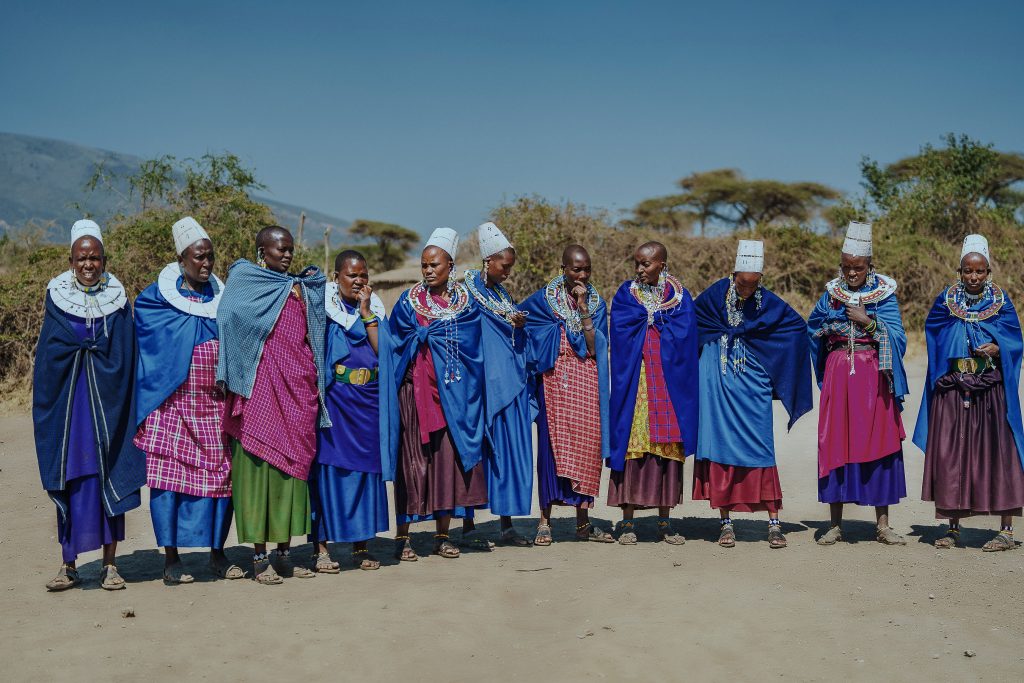
The Maasai, Hadzabe and Datoga: Three Famous Communities in Tanzania
Tanzania is home to more than 120 ethnic communities, each with its own language and traditions. Among them, visitors on a northern safari most often meet the Maasai, Hadzabe and Datoga. They share the same broad region, yet their histories and ways of life are very different.
The Maasai
The Maasai are one of the best-known herding communities in East Africa. Many live along the northern safari circuit, including parts of the Ngorongoro area. For them, cattle sit at the heart of social and economic life.
On a Maasai cultural visit, you can step inside traditional homes and learn about cattle keeping. You can also admire colourful beadwork and join in songs and dances. Today, many Maasai combine their traditions with school, tourism and business, so you see a real picture of modern life.
The Hadzabe
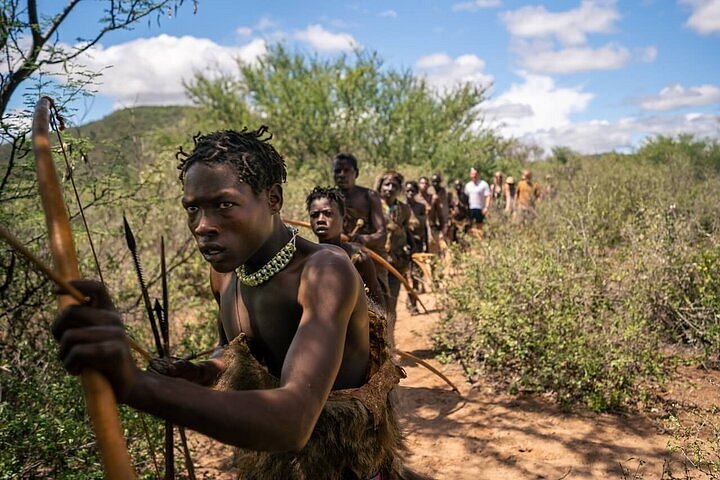
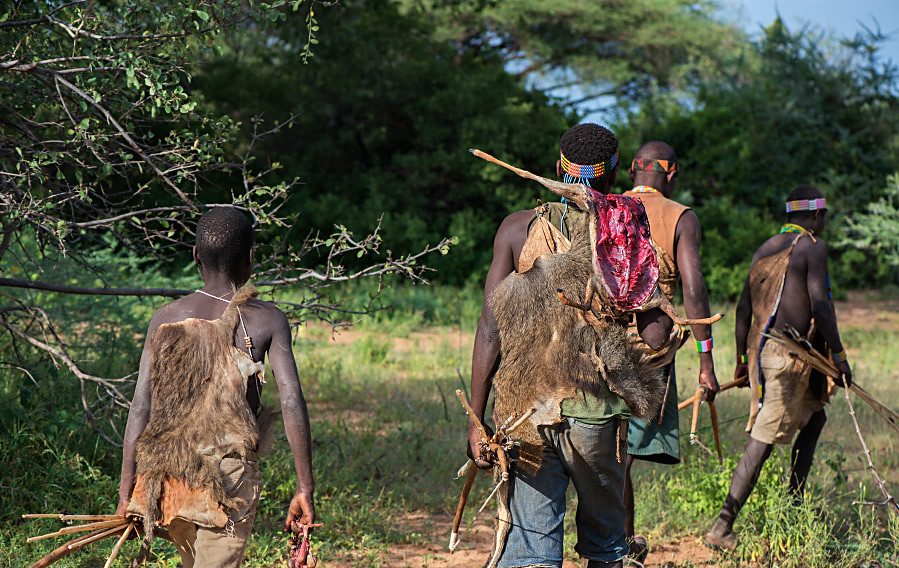
The Hadzabe are an Indigenous community living mainly around Lake Eyasi. They are one of Africa’s last hunter-gatherer peoples, with remarkable knowledge of wild plants, animals and the land.
During a Hadzabe visit, you can learn about traditional hunting, wild foods and handmade tools. At the same time, Hadzabe families face changes from schooling, markets and pressure on their land. That makes respectful tourism even more important.
The Datoga
The Datoga are a herding community of northern Tanzania, living mainly around Lake Eyasi and the wider Manyara region. Alongside their cattle, many Datoga families are famous blacksmiths, forging arrowheads, bracelets and tools by hand.
A Datoga visit lets you see their homes, food and family life. You can also watch skilled craftspeople at work in their forge. Like other communities, the Datoga today blend their traditions with a changing modern world.
What Is the Difference Between the Maasai, Hadzabe and Datoga?
The biggest difference is how each community traditionally makes a living. The Maasai herd cattle, the Hadzabe hunt and gather wild food, and the Datoga combine cattle keeping with skilled metalwork.
For the Maasai, cattle are the centre of wealth, food and identity. Their bright red shukas make them instantly recognisable. By contrast, the Hadzabe are famous hunter-gatherers who hunt with bows and arrows and speak a language full of click sounds.
The Datoga live differently again. They keep cattle and farm small plots, but their blacksmithing sets them apart. In fact, they often trade the arrowheads they forge with their Hadzabe neighbours. These differences make a cultural safari fascinating, as you meet three ways of life in just a few days.
Where Do the Maasai, Hadzabe and Datoga Live in Tanzania?
The Maasai live across northern Tanzania, especially around the Ngorongoro Conservation Area and Arusha. Their lands also stretch into southern Kenya, as their communities existed long before modern borders.
Meanwhile, the Hadzabe live around the shores of Lake Eyasi, south of the Ngorongoro highlands. Today, only around 1,000 to 1,500 Hadzabe remain. Many still live here, where wild foods and water support their way of life.
The Datoga live mainly in the Manyara region and around Lake Eyasi, with smaller groups in Singida. Because some Datoga live close to the Hadzabe, you can easily meet both on the same day. Lake Eyasi is only about a 1.5-hour drive from Karatu, so it fits neatly into a northern safari.
The History of the Maasai, Hadzabe and Datoga
The Maasai have a long history in East Africa. Historical accounts describe their movement south from the Nile Valley in search of good grazing land. As a result, cattle became central to their economy and identity.
The Hadzabe, on the other hand, have an even older history in the Lake Eyasi area. Researchers who study their language, genes and way of life believe they are among East Africa’s oldest peoples. Their roots go back thousands of years.
The Datoga belong to the Nilotic peoples of northern Tanzania and have long relied on cattle. Over time, contact with neighbours such as the Iraqw and Hadzabe has shaped their history. Knowing this background makes every visit more meaningful.
How Do the Maasai, Hadzabe and Datoga Live Today?
All three communities keep strong traditions while adapting to modern life. Many Maasai still herd cattle and live in traditional homesteads. Yet school, farming, tourism, mobile phones and business are now part of daily life, so young Maasai often balance tradition with study and work.
The Hadzabe continue many of their traditional practices. Some families still rely on hunting, gathering and wild foods for part of their needs. However, farming, land-use changes and tourism are steadily shaping their lives.
The Datoga, by comparison, mix cattle keeping with small-scale farming and selling crafts to visitors. Families still pass their metalworking skills from one generation to the next, giving them a valuable source of income. As a result, a visit shows you both living traditions and how communities adapt to today’s world.
Traditions and Cultural Practices of Each Community
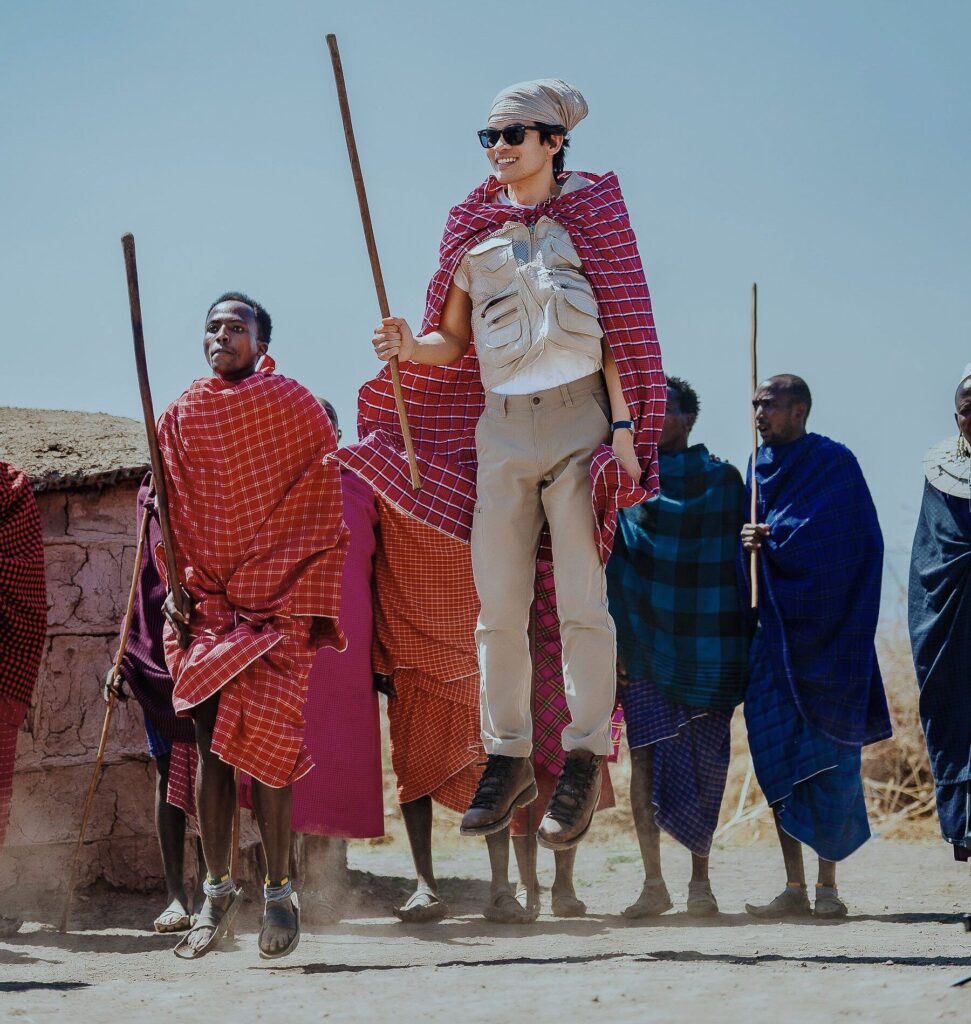
Each community is known for its own special traditions. The Maasai follow age-set traditions, where young men move from warrior to elder through important ceremonies. Many also follow beliefs centred on one god, Enkai, and their famous jumping dance, the adumu, is a proud display of strength.
The Hadzabe, by contrast, have no formal system of ceremonies. Instead, they pass down hunting skills, stories and songs through everyday life. Group decisions and sharing food are central to their community.
The Datoga are best known for their metalwork. Some members also wear traditional tattoos, beadwork and brass jewellery that can show identity or status. Since traditions differ between families, the best approach is to listen and ask respectful questions.
What to Experience on a Cultural Visit in Tanzania
A cultural visit can take you into a Maasai boma, a Hadzabe camp or a Datoga homestead. What you experience depends on the community and the visit. Either way, each one gives you a real, personal window into daily life.
What Happens on a Maasai Cultural Visit?
A Maasai visit usually lasts one to two hours. It takes place in a boma near the safari route, often on the way to the Ngorongoro Crater. Your local guide introduces you to the family and explains the meaning behind everything you see.
The visit usually begins with a warm welcome, as members of the community greet you with songs. Soon after, young warriors perform the adumu, leaping high into the air while others chant. Visitors are often invited to try it too.
Next, you step inside a small home built from sticks, mud and cow dung. Here, the family explains how they cook, sleep and raise their children. Along the way, you learn why cattle represent wealth, food and identity for the Maasai.
Finally, women show you how they create colourful beaded jewellery, where each colour carries its own meaning. Buying a bracelet or necklace directly from the makers is a lovely way to support the family you visit.
What Happens on a Hadzabe Cultural Visit?
A Hadzabe visit starts very early, around sunrise, because this is when the community begins its day. It feels less like a show and more like joining people as they go about their normal morning.
Often, the hunters invite you to walk with them through the bush. They read tracks, listen for birds and search for small animals with handmade bows and arrows. Meanwhile, you may watch someone make fire by hand in minutes, using only sticks and dry grass.
Along the way, your guide explains the wild foods the Hadzabe rely on, from roots and berries to wild honey. You can also try a traditional bow. Finally, listen closely to Hadzane, their remarkable click language.
Most Hadzabe visits last about three to four hours. They are often combined with a stop at a nearby Datoga homestead. For example, the Tanzania Wildlife Safari and Bushmen Experience pairs a Lake Eyasi morning with Tarangire and the Serengeti.
What Happens on a Datoga Cultural Visit?
A Datoga visit takes you into a family homestead near Lake Eyasi, usually for about an hour. It is often the perfect follow-on from a morning with the Hadzabe.
The highlight is the blacksmith’s forge. Here, craftsmen heat scrap metal over a fire, using hand-pumped bellows made from animal skin. Then they hammer it into arrowheads, bracelets and tools, many of which they trade with the Hadzabe.
You also step into the family’s home and learn about their cattle, food and daily routines. In addition, the women’s leather clothing, brass jewellery and beadwork make every Datoga visit colourful and memorable.
In addition, you can buy jewellery straight from the forge, which makes a meaningful souvenir.
Homes, Food and Daily Life of Each Community
Each community’s home, food and daily routine reflects how it makes a living. Seeing these differences up close is one of the most eye-opening parts of a cultural safari.
What Are Traditional Maasai Homes Like?
Traditional Maasai homes are small, round or loaf-shaped huts that women build from sticks, mud, grass and cow dung. Inside, they are dark and cool, with a small fire for cooking and simple sleeping areas made of hides.
What Food and Shelters Are Associated With the Hadzabe?
Several homes stand together inside a circular boma. A fence of thorny branches surrounds it, keeping cattle safe from lions and hyenas at night. Traditionally, milk, meat and occasionally blood from cattle formed the Maasai diet, although many families now also eat maize, beans and vegetables.
The Hadzabe build simple dome-shaped shelters from branches and grass. They can put one up in a few hours and leave it behind when they move. In the dry season, many simply sleep outside under the stars or in rock shelters.
Their diet comes almost entirely from the land. Hunters catch animals such as dik-dik and impala and collect wild honey. Others gather roots, tubers, berries and baobab fruit, and food is always shared across the whole camp.
What Are Datoga Homes and Daily Life Like?
Datoga homes are usually low, flat-roofed houses made of mud and wood, set in family compounds with cattle pens nearby. Daily life combines herding cattle, growing maize and beans, cooking and, for many families, working at the forge.
Datoga women are known for their beautiful leather skirts decorated with beads, as well as brass coils worn on their arms and necks. These traditions make every Datoga visit visually striking.
Can Cultural Visits Be Combined With a Safari?
Yes. Cultural visits fit naturally into a northern Tanzania safari, because the communities live close to the main parks. In fact, many travellers say meeting local people was one of the highlights of their trip.
A popular route that blends wildlife and culture looks like this:
- Tarangire: start with a game drive in Tarangire, famous for elephants and baobabs.
- Maasai village: on day two, meet a Maasai family on the way to the highlands.
- Lake Eyasi: spend sunrise with the Hadzabe and visit a Datoga forge.
- Ngorongoro Crater: enjoy a full game drive on the crater floor.
- Serengeti: finish with two days of big cats and huge herds.
Mixing culture with wildlife gives your safari a lovely balance. Instead of spending every day in the vehicle, you meet people and stretch your legs. You also come home with a fuller picture of Tanzania.
More Cultural Experiences in Tanzania
Beyond these three communities, Tanzania offers many other rich cultural experiences. In Mto wa Mbu, near Lake Manyara, you can join a village walk and taste local banana beer. There are also farms and craft workshops to visit.
On the slopes of Kilimanjaro, Chagga families welcome visitors on coffee tours, where you pick, roast and brew your own cup. Meanwhile, Zanzibar offers spice farm tours and Swahili cooking classes. Its historic Stone Town is perfect after a safari.
How to Visit a Tanzanian Community Respectfully
Respect is the most important part of any cultural visit, because these communities are people’s homes, not tourist attractions. A few simple habits make the visit better for everyone:
- Ask before taking photos, especially of children, homes and ceremonies.
- Listen to your local guide and follow their advice.
- Dress modestly, covering your shoulders and knees.
- Stay out of private areas unless you are invited in.
- Buy crafts directly from the makers to support families.
- Avoid giving sweets or money to children; your visit fee supports the community instead.
How to Choose a Responsible Cultural Tour?
A good cultural tour clearly explains what you will see, how the community takes part and how the money is shared. That is why we work with trusted local guides who have long-standing relationships with each community.
How Cultural Tourism Supports Local Communities
When local people genuinely take part, cultural tourism brings real benefits. Visit fees, guiding, crafts and food create income that stays in the community. Sharing traditions with visitors also helps keep them alive.
However, these benefits depend on how tourism is managed. Responsible tourism respects local decisions, traditions, privacy and fair payment. That is why choosing community-led experiences makes your visit truly meaningful.
Why Book a Cultural Safari With See Endless Adventures?
Booking a cultural safari with See Endless Adventures means you never have to worry about the details. We plan each visit so it fits smoothly between your game drives. We also arrange the right local guide to explain every tradition, and we let the community know you are coming. As a result, you arrive as a welcome guest and can enjoy real conversations with your hosts.
- Trusted local guides who speak the local languages and know the families well.
- Fair, community-friendly visits, where your fee goes directly to the people you meet.
- Tailor-made private safaris, planned with you around your interests, dates and budget.
- Highly rated by travellers, with an “Excellent” rating on Tripadvisor.
- Quick, friendly replies, as our safari experts aim to answer within 24 hours.
- Round-the-clock support, with our team available 24/7 while you are in Tanzania.
- Best Price Promise: find a better quote for the same itinerary, and we will match it.
Frequently Asked Questions About Cultural Tourism in Tanzania
What is a cultural visit in Tanzania?
A cultural visit is a chance to meet local communities and learn about their traditions, homes, food, crafts and daily life. It can be part of a wildlife safari or a separate trip.
Which communities can be visited in northern Tanzania?
The most popular are the Maasai, Hadzabe and Datoga. Maasai visits are common around Ngorongoro and Arusha, while the Hadzabe and Datoga live around Lake Eyasi.
Can a cultural visit be combined with the Serengeti and Ngorongoro?
Yes. A cultural stop fits easily into a route with Tarangire, the Ngorongoro Crater and the Serengeti. Just allow enough time for both wildlife and meaningful community visits.
How long does a cultural visit take?
Most Maasai visits last one to two hours. A Hadzabe and Datoga visit at Lake Eyasi usually takes a morning, starting around sunrise.
What should be worn on a cultural visit?
Comfortable, modest clothing that covers your shoulders and knees works well. For a Hadzabe hunting walk, add sturdy closed shoes.
Is photography allowed during cultural visits?
Usually, but always ask permission first, especially before photographing people, children, homes or ceremonies. Respect anyone who prefers not to be photographed.
Is cultural tourism good for local communities?
Yes, when it is done responsibly. Visit fees, crafts and local services create income, and sharing traditions helps keep them alive.
