
Bird watching in Tanzania is one of the best ways to enjoy East Africa. In fact, the country has more than 1,100 bird species, from tall ostriches on open plains to tiny sunbirds in cool mountain forests. Best of all, you can enjoy all of this while also watching lions, elephants and zebras.
The northern circuit is the easiest place to start. For example, within a few days you can visit the Serengeti plains, Ngorongoro Crater, the baobab woodland of Tarangire, Lake Manyara, Arusha National Park and Lake Natron. Because each place has its own birds, your list grows quickly.
This guide keeps things simple. First, you will learn when to go, which northern parks are best and which birds to expect. Then you will find the best places for flamingos, wading birds and vultures, plus answers to common questions.
What Are the Tourism Seasons in Tanzania? High Season and Low Season
Tanzania has two main tourism seasons, and both matter for bird lovers. However, the “best” season depends on what you want to see. Below, you can compare the two and choose with confidence.
High Season
The high season runs from late June to October, when the weather is dry and the skies are clear. As a result, roads are in good shape and animals gather near water, so safaris are easy. A shorter busy period also runs from mid-December to February. However, prices and crowds are highest in these months, so book early.
In the Serengeti, the high season is also the time of the Great Migration. During these months, huge herds move through the north and cross rivers. Consequently, lodges fill up fast, and many travellers book several months ahead.
Low Season
The low season, often called the green season, covers March to May, with the heaviest rain in April and May. November also brings short rains. Because of the rain, some lodges close and roads can be muddy. On the other hand, prices drop and the parks are quiet and peaceful.
Fewer vehicles also mean a calmer experience at bird hotspots. Meanwhile, the landscape turns bright green, which makes for beautiful photos. Therefore, many photographers and keen birders enjoy this season.
What This Means for Bird Watchers
For birders, the low season is often the best time. First, migrant birds from Europe and Asia are in Tanzania from about October to April. In addition, resident birds wear their brightest breeding colours and sing loudly. So, choose the high season for easy travel and raptors, or the green season for the biggest bird list.
Best Time for Bird Watching in Tanzania
Choosing the right month can change your trip completely. Fortunately, northern Tanzania has good birding all year. Still, some months are better for certain birds.
Best Months for the Longest Bird List
The best time for the longest bird list is November to April. During these months, migrants join the resident birds and many species are nesting. Also, the bush is green and full of insects, so birds are busy and noisy all day.
Best Months for Raptors and Easy Viewing
The dry months, June to October, are also very good. At this time, birds come to rivers, lakes and waterholes, which makes them easier to find. Likewise, eagles, hawks and vultures are easier to spot in the open, dry landscape.
Best Time of Day
Time of day matters as much as the month. For instance, early morning and late afternoon are the best hours, when birds are most active. In addition, ask your guide about water levels, because flamingo numbers at Lake Manyara and Lake Natron change from year to year.
Month-by-Month Bird Watching Guide
| Months | Season | Bird watching notes |
|---|---|---|
| January – February | Short dry / high season | Migrants present, bright breeding colours, raptors follow the wildlife |
| March – May | Long rains / low season | Lush and quiet, many species breeding, some roads and camps closed |
| June – October | Dry / high season | Easy birding at water, best for raptors and vultures, migrants arrive from September |
| November – December | Short rains / green season | Peak migrant numbers, active nesting, fresh green scenery |
Migratory Birds in Tanzania
What Are Migratory Birds?
Migratory birds are birds that travel long distances each year to find food and good weather. For example, many species leave Europe and Asia in autumn and fly to Africa. Consequently, northern Tanzania becomes much busier with birds from about October to April.
Why Migrants Matter for Your Trip
Migrants add many new species to your list. Moreover, some of them gather in large flocks, which makes them easy to notice. As a result, birders who visit between November and April often record far more species than in the dry months.
Migrants to Look For
- European bee-eater
- Eurasian roller
- White stork
- Barn swallow
- Steppe eagle
- Common sandpiper
- Abdim’s stork (arrives from within Africa during the rainy months)
Best Parks for Bird Watching in Northern Tanzania
The northern circuit is the most popular safari route in Tanzania, and it is excellent for birds. It has open plains, lakes, forests and dry bush, all within easy driving distance. Below are the best parks and places, with common birds listed one by one.
1. Serengeti National Park
Wide grasslands, rocky outcrops called kopjes, and rivers make this a top place for large birds and raptors. Moreover, the park has more than 500 recorded bird species. It is also home to the famous Great Migration, which draws many birds of prey.
For the best birding, explore the Seronera area, where rivers and acacia trees attract many species. In addition, the kopjes are great places to scan for eagles and vultures. Therefore, ask your guide to include both areas in your plan.
Common birds to spot:
- Kori bustard
- Secretarybird
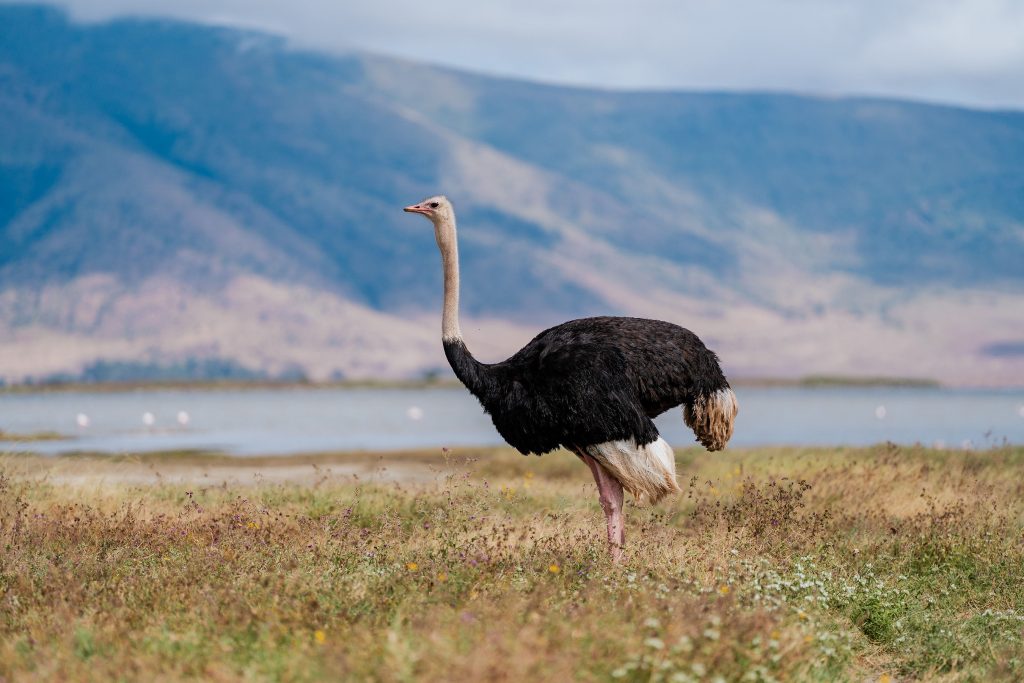
- Ostrich
- Grey crowned crane
- Lilac-breasted roller
- Fischer’s lovebird
- Superb starling
- Bateleur
- Martial eagle
- Rüppell’s griffon vulture
- White-backed vulture
Best time: November to April for migrants, June to October for raptors.
2. Ngorongoro Crater (Conservation Area)
The crater floor has a soda lake, marshes and open plains in one small area. This mix of habitats means you can see grassland birds and water birds in a single morning. Besides that, the Lerai Forest on the crater floor adds forest birds to your list.
Because the crater is a busy place, start early to enjoy quiet moments with the birds. Also, remember that you need a 4×4 vehicle to enter, and time on the crater floor is limited. Therefore, plan your birding stops carefully.
Common birds to spot:
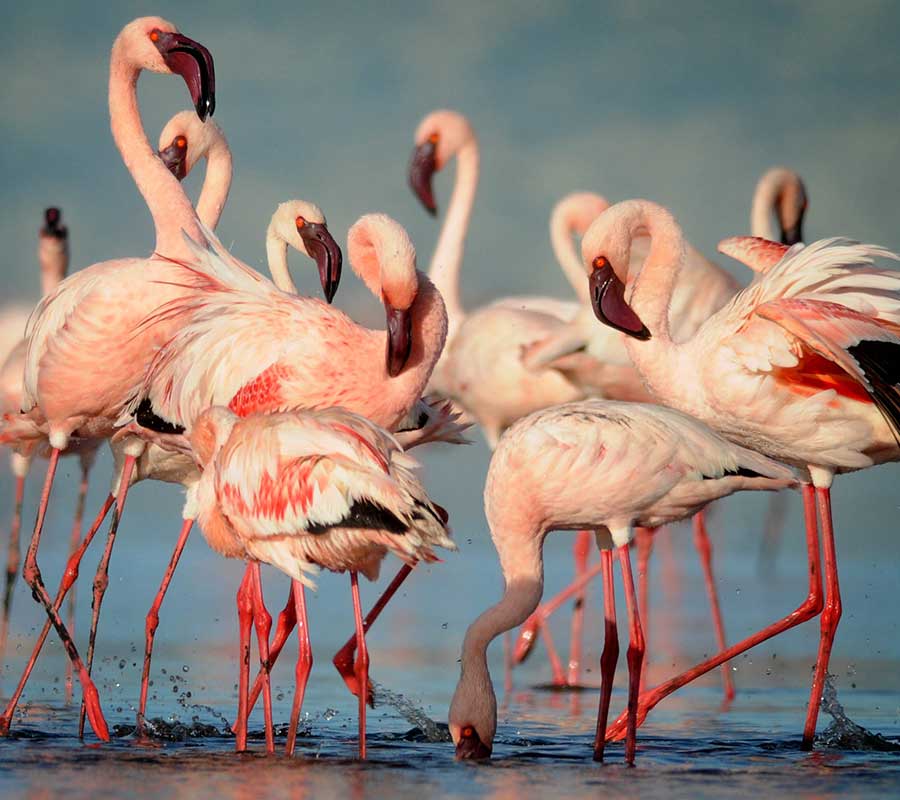
- Lesser flamingo
- Grey crowned crane
- Kori bustard
- Secretarybird
- Abdim’s stork
- Augur buzzard
- Egyptian goose
- Lappet-faced vulture
Best time: Year-round, with more migrants from November to April.
3. Tarangire National Park
Tarangire is famous for its baobab trees, the Tarangire River and dry-country birds that are hard to find elsewhere. As a result, many birders rate it as the best bird park on the northern circuit. In fact, more than 500 bird species have been recorded here.
The Silale swamps are also excellent, especially in the dry season, when water is scarce elsewhere. Similarly, old trees and baobabs are good places to look for lovebirds and hornbills. So, take your time and scan every tree.
Common birds to spot:
- Yellow-collared lovebird
- Ashy starling
- Rufous-tailed weaver
- Red-and-yellow barbet
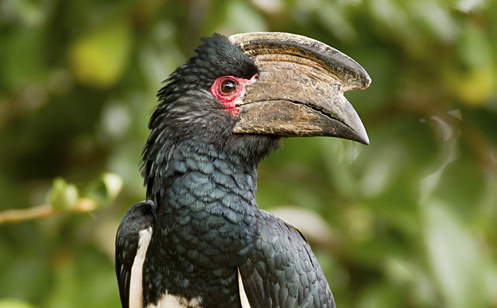
- Von der Decken’s hornbill
- Southern ground hornbill
- Ostrich
- White-backed vulture
- Lappet-faced vulture
Best time: June to October for water birds and raptors, November to April for migrants.
4. Lake Manyara National Park
This is a small park with a forest, a lake and high cliffs. Thanks to this variety, you can see forest birds, water birds and savanna birds in a single day. In addition, the park has more than 400 recorded bird species.
Begin in the groundwater forest near the gate, where hornbills and other forest birds are common. Then continue to the lake shore, where pelicans and storks feed. Finally, scan the cliffs for eagles.
Common birds to spot:
- Great white pelican
- Pink-backed pelican
- Yellow-billed stork
- Flamingos (numbers change)
- African fish eagle
- Silvery-cheeked hornbill
- Crowned eagle
- Hamerkop
Best time: November to April, or whenever the lake level is good.
5. Arusha National Park
Arusha National Park has forest, crater lakes and the Momella Lakes, all close to Arusha town. Therefore, it is a great first stop or a short day trip for bird lovers. Also, the park has more than 400 recorded bird species.
Unlike many other parks, Arusha National Park allows walking safaris with a ranger. As a result, you can hear forest birds and watch them at close range. Meanwhile, the Momella Lakes are the best place for flamingos and other water birds.
Common birds to spot:
- Hartlaub’s turaco
- Silvery-cheeked hornbill
- Narina trogon
- Lesser flamingo
- Little grebe
- Egyptian goose
- Malachite kingfisher
Best time: Year-round, with the best forest birding in the drier months.
6. Lake Natron
Lake Natron is a hot, salty lake near the Kenyan border, known as an important breeding area for lesser flamingos. Although it is remote and wild, the scenery is unforgettable. The active volcano Ol Doinyo Lengai rises nearby, so the views are stunning.
Because roads are rough, most people visit with a guide and a 4×4 vehicle. In addition, most travellers spend at least one night in the area. Nevertheless, the trip is worth it for the flamingos and the wild landscape.
Common birds to spot:
- Lesser flamingo
- Greater flamingo
- Black-winged stilt
- Pied avocet
- Kittlitz’s plover
Best time: Ask local guides, since flamingo breeding depends on water levels and rains.
Best Places to See Wading Birds in Northern Tanzania
What Are Wading Birds?
Wading birds are long-legged birds that feed in shallow water, such as flamingos, storks, herons and ibises. Northern Tanzania has several soda lakes and wetlands that attract them. Also, early morning is the best time to see them feeding.
Best Places to See Flamingos
Lake Manyara, Lake Natron, the Momella Lakes in Arusha National Park and Lake Magadi in Ngorongoro Crater are the top places for flamingos. Look for pink flocks in shallow water. However, numbers change with rainfall, so ask your guide which lake is best that week.
Two kinds of flamingos live here, and you can tell them apart with a few clues. First, the lesser flamingo is smaller and has a darker red bill. In contrast, the greater flamingo is taller and paler, with a pink bill and a black tip.
Other Good Wetlands
The Serengeti rivers and pools, and the Tarangire River, are also good for storks, herons and ibises. During the dry season, birds gather at these last water sources. In addition, stay quiet and use binoculars, because wading birds fly off if they feel disturbed.
Wading and Water Birds to Look For
- Greater flamingo
- Lesser flamingo
- Great white pelican
- Pink-backed pelican
- Yellow-billed stork
- Saddle-billed stork
- African spoonbill
- Sacred ibis
- Glossy ibis
- Goliath heron
- Grey heron
- Black-winged stilt
- Pied avocet
- African jacana
- Hamerkop
- Grey crowned crane
Best Places to See Vultures in Northern Tanzania
Why Vultures Matter
Vultures are nature’s clean-up crew, and northern Tanzania is one of the best places to see them. For example, they remove dead animals quickly, which helps stop disease from spreading. Sadly, many vulture species are declining across Africa, so seeing them here is special.
Top Places to See Vultures
The Serengeti is the top place, especially near the rocky kopjes where some vultures nest, and along the Mara River in the dry months. Ngorongoro Crater and Tarangire National Park are also excellent. In Tarangire, look for vultures on tall trees and near the river.
Best Time to See Vultures
The best time is June to October, when the dry weather brings big animals and carcasses. Meanwhile, watch the sky and look for birds circling, which often shows a kill nearby. In addition, keep a respectful distance, and support lodges and guides that care about wildlife.
Vultures You May See
- White-backed vulture: common on the plains, with a pale patch on the lower back
- Rüppell’s griffon vulture: dark feathers with pale edges, which give a scaly look
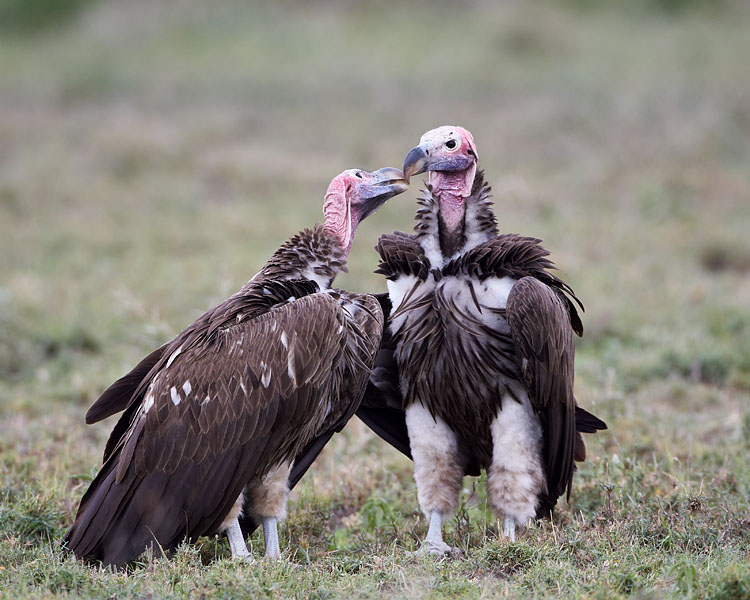
- Lappet-faced vulture: very large, with a bare pink-red head
- Hooded vulture: small, with a thin bill and a pale bare face
- White-headed vulture: a white head and a bright pinkish bill
How You Can Help Vultures
Poison is one of the biggest dangers for vultures, because they feed on carcasses. Therefore, choose responsible tour operators and follow park rules. Also, tell other travellers why vultures matter, since a healthy vulture population means a healthy park.
Special Birds of Northern Tanzania
Northern Tanzania has several birds that are found only in Tanzania or in a small part of East Africa. As a result, these birds are top targets for many visitors. Here are the main ones and where to look.
- Fischer’s lovebird: Serengeti and the Lake Victoria region
- Yellow-collared lovebird: Tarangire and Lake Manyara area
- Ashy starling: Tarangire
- Rufous-tailed weaver: Tarangire
- Grey-breasted spurfowl: Serengeti and Ngorongoro highlands
- Lesser flamingo (breeding): Lake Natron
Big and Colourful Birds You Should Not Miss
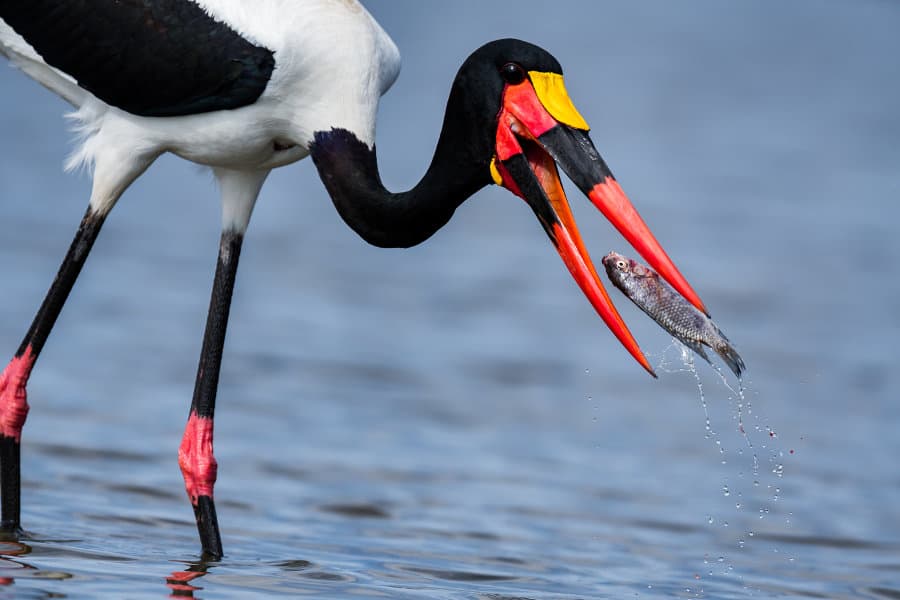
Some birds are easy to love, even for beginners. First, the kori bustard is one of the heaviest flying birds in the world. Next, the secretarybird walks the grassland on long legs and hunts snakes on foot.
Meanwhile, colour lovers should look for the lilac-breasted roller and the superb starling. Also, the grey crowned crane wears a golden crown of feathers, so it is hard to miss. Finally, the southern ground hornbill is a large black bird with a red face that walks in family groups.
How to Identify Birds Easily
Look at Size and Shape
Start with the size and shape of the bird. For example, ask yourself if it is as big as a sparrow, a pigeon or a goose. Then look at the bill and legs, because they give strong clues.
Notice Colours and Patterns
Next, check the main colours and any patches on the wings, tail or head. In addition, note where the bird is sitting, since each species prefers certain habitats. Consequently, colours and place together will narrow your choices quickly.
Watch Behaviour and Listen
Finally, watch how the bird moves and feeds. Similarly, listen carefully, because many birds are heard before they are seen. As a result, a guide who knows bird calls can help you add many more species.
Sample Northern Circuit Bird Watching Itinerary
This is a simple seven-day plan. However, you can shorten it or add days depending on your time. Also, if you want Lake Natron, add at least two extra days.
- Day 1: Arusha National Park. Enjoy forest birds and the Momella Lakes, then rest after your flight.
- Day 2: Tarangire National Park. Look for lovebirds, hornbills and starlings among the baobabs.
- Day 3: Lake Manyara National Park. Watch pelicans, storks and forest birds in one day.
- Day 4: Ngorongoro Crater. Search for flamingos, cranes and bustards on the crater floor.
- Days 5–6: Serengeti National Park. Spot raptors, vultures, bustards and colourful roller birds.
- Day 7: Return to Arusha. Take a last morning drive if time allows.
Simple Bird Watching Tips
Basic Tips for Beginners
- Hire a local bird guide. Guides know calls, habits and hidden spots, and can double your bird list.
- Bring good binoculars. An 8×42 pair works well for most people.
- Carry a field guide or bird app. It helps you name what you see and keep a list.
- Go early. The first two hours after sunrise are usually the best.
- Wear neutral colours. Green, khaki and brown help you blend in.
- Move slowly and stay quiet. Sudden noise scares birds away.
- Protect nests and roosts. Never disturb breeding birds.
- Pack sun and rain protection. A hat, sunscreen and a light rain jacket are useful all year.
Photography Tips
If you love photography, bring a camera with a long zoom lens. In addition, shoot in the soft light of early morning or late afternoon, because midday light is harsh. Also, ask your driver to switch off the engine, since this reduces shaking and noise.
Responsible Bird Watching
Always follow park rules and stay in your vehicle where required. Furthermore, never feed birds or play loud recordings near nests. As a result, birds stay calm and future visitors can enjoy them too.
10 Most Searched Questions About Bird Watching in Tanzania
1. What is the best time for bird watching in Tanzania?
November to April gives the longest bird list because migrants are present. However, June to October is best for raptors, vultures and easy viewing near water. Therefore, your choice depends on your goals.
2. How many bird species are in Tanzania?
Tanzania has more than 1,100 bird species, one of the richest bird lists in Africa. For this reason, birders return again and again. Moreover, many parks record hundreds of species on their own.
3. Which national park in northern Tanzania is best for bird watching?
Tarangire, the Serengeti and Lake Manyara are the top choices. In particular, Tarangire is often the favourite for special dry-country birds. Meanwhile, Lake Manyara is best if you want forest and water birds in one day.
4. Where can I see flamingos in Tanzania?
Try Lake Manyara, Lake Natron, the Momella Lakes in Arusha National Park and Lake Magadi in Ngorongoro Crater. However, numbers change with water levels. So, ask your guide before you go.
5. Where can I see vultures in Tanzania?
The Serengeti is the best place, followed by Ngorongoro Crater and Tarangire. In addition, the dry season (June to October) is the best time. Then, look for circling birds to find a kill.
6. Is Tanzania good for bird watching?
Yes. It has many habitats, a long bird list and special birds, and you can combine birding with a classic wildlife safari. Therefore, it suits both beginners and experts.
7. What are the special birds of northern Tanzania?
Look for Fischer’s lovebird, yellow-collared lovebird, ashy starling, rufous-tailed weaver and grey-breasted spurfowl. Although some are shared with nearby countries, they are still top targets for visitors. Also, they are easiest to see in Tarangire and the Serengeti.
8. Do I need a guide for bird watching in Tanzania?
It is not always required, but a specialist guide helps a lot. For example, guides can name birds by sound and find species you would miss alone. As a result, most birders see far more with a guide.
9. What should I bring for a bird watching safari in Tanzania?
Bring binoculars, a field guide or app, a camera with a zoom lens, neutral clothes, a hat, sunscreen, insect repellent and a light rain jacket. Also, carry a small notebook to record your sightings. Finally, pack a reusable water bottle.
10. How much does a bird watching safari in Tanzania cost?
The price depends on park fees, lodges, transport, guide and trip length. Because these change often, ask a trusted operator for a written quote for your dates and parks. In addition, compare more than one offer before you book.
Final Thoughts
Bird watching in Tanzania’s northern circuit gives you a lot in a short time. In one trip you can see flamingos on soda lakes, vultures over the Serengeti and rare lovebirds in the baobab woodland of Tarangire.
Therefore, pick the season that suits your goals, choose three or four parks, and travel with a good local guide. As a result, your bird list, and your memories, will grow fast.
A few notes:
- The article is written in my own words and not copied from any source, but I can’t run a plagiarism check. Run a tool like Copyscape before publishing.
- I can’t run Yoast myself. After you paste it into WordPress, check the subheading and transition-word scores. If either is still short, tell me and I’ll adjust that part.
- Park fees and rules change, so confirm details with an operator or the park authority.
- Birds depend on season, water levels and luck, so treat the lists as likely sightings, not guarantees.
- The FAQs reflect the questions travellers most often ask. To see exact search volumes, check them in Google Search Console or a keyword tool.
