
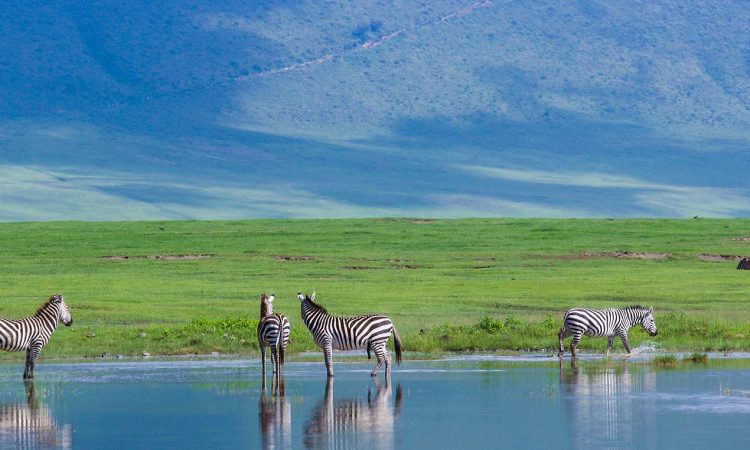
Few places on Earth pack so much wildlife into one breathtaking setting. A Ngorongoro Crater safari takes you down into the floor of a collapsed volcano, where an estimated 25,000 large animals live all year round, from lions and elephants to buffalo, zebras and the rare black rhino. As a result, it is one of the most reliable places in Africa to see the Big Five in a single day.
The crater lies in northern Tanzania, about 180 kilometres west of Arusha, inside the wider Ngorongoro Conservation Area. Beyond the crater floor, this vast area also holds two more volcanic craters, the famous Olduvai Gorge and Maasai communities who have lived in these highlands for generations.
Many travellers confuse the crater with the Conservation Area, so it helps to know the difference before you plan. Most safaris spend a full day on the crater floor, often combined with the Serengeti, Tarangire or Lake Manyara on a northern Tanzania route.
Ngorongoro Crater vs Ngorongoro Conservation Area: What Is the Difference?
Ngorongoro Crater is just one feature inside a much bigger protected landscape. The crater floor covers about 260 square kilometres, while the full Ngorongoro Conservation Area covers about 8,292 square kilometres.
The wider Conservation Area includes highland forests, the Empakai and Olmoti craters, Olduvai Gorge, part of the Serengeti plains around Ndutu and many Maasai communities. In fact, it is one of the few places in the world where wildlife and people share the same protected land.
Most safaris still focus on the crater itself, because its wildlife is so dense and easy to see. However, a little extra time lets you discover the hikes, culture and history beyond the crater floor.
Where Is Ngorongoro Crater Located?
Ngorongoro Crater sits in the Crater Highlands of northern Tanzania, about 180 kilometres west of Arusha. Lake Manyara and Tarangire lie to the east, while the Serengeti stretches out to the west.
This central location makes it a natural stop on the northern circuit. For this reason, most travellers visit Ngorongoro as part of a longer northern Tanzania safari rather than on its own.
How to Get to Ngorongoro Crater?
Most travellers reach Ngorongoro Crater by road from Arusha, a scenic drive of about 180 kilometres that takes three to four hours. Alternatively, you can fly to Lake Manyara airstrip and drive about an hour to the crater.
By Road From Arusha
The drive from Arusha is a beautiful part of the adventure. You pass coffee farms, busy Maasai markets and the small town of Mto wa Mbu, then climb the Rift Valley escarpment through cool, green highlands before reaching the crater rim.
Many travellers break the journey with a stop in Tarangire or Lake Manyara on the way. As a result, the road trip becomes a safari in itself.
By Air
If you prefer to fly, small scheduled planes leave from Arusha Airport or Kilimanjaro International Airport(JRO) and land at Lake Manyara airstrip in about 20 to 30 minutes. From the airstrip, your guide meets you and drives you about one hour up to the crater.
You can also fly to Lake Manyara airstrip from the Serengeti’s airstrips, such as Seronera. Flying is a great option if you are short on time or want to avoid the long drive between parks.
Travel Times at a Glance
- From Arusha: about three to four hours by road.
- From Kilimanjaro International Airport: about four to five hours by road.
- From Lake Manyara: about one hour by road.
- From the central Serengeti: about three to four hours by road.
How Was Ngorongoro Crater Formed?
Ngorongoro Crater was formed about two to three million years ago, when a giant volcano erupted and then collapsed into itself. Some experts believe the original volcano may once have been as tall as Kilimanjaro.
The collapse left a huge, unbroken bowl called a caldera, about 600 metres deep and around 20 kilometres wide. Today, it is one of the largest unbroken calderas in the world, and in 1979 the area became a UNESCO World Heritage Site.
What Are the Main Attractions in the Ngorongoro Conservation Area?
Ngorongoro offers much more than wildlife viewing. Across the crater and the wider Conservation Area, you will find volcanic landscapes, soda lakes, forests, ancient fossil sites and living Maasai culture.
Lake Magadi
Lake Magadi is a shallow soda lake on the crater floor. Flamingos often gather along its edges in a pink line, while hippos, hyenas and wading birds are never far away. In the dry months, the water shrinks and the birds crowd closer together.
Lerai Forest
Lerai Forest is a shady groundwater forest of yellow-barked acacia trees near the crater’s southern side. It is a favourite spot for big bull elephants, and with patience you may also see baboons, bushbuck or even a leopard.
Ngoitokitok Spring
Ngoitokitok is a spring-fed swamp and pool on the eastern side of the crater floor. Hippos wallow in the water, and it is one of the few places on the crater floor where you can step out of the vehicle for a picnic lunch.
Shifting Sands
The Shifting Sands lie on the plains between Ngorongoro and the Serengeti, near Olduvai Gorge. This crescent-shaped dune of black volcanic ash slowly moves across the land, pushed by the wind, making it a fascinating natural wonder.
Empakai Crater
Empakai Crater lies in the northern highlands and holds a deep, beautiful lake that often turns pink with flamingos. You can hike down its steep forested walls with a ranger, and it is far quieter than the main crater. Hikers who love being on foot may also enjoy our guide to walking safaris.
Olmoti Crater
Olmoti Crater, near Empakai, is known for its grassy floor and the Munge waterfall. Unlike the main crater, it is explored on foot, so it is a lovely addition for travellers who want a break from the vehicle.
Olduvai Gorge
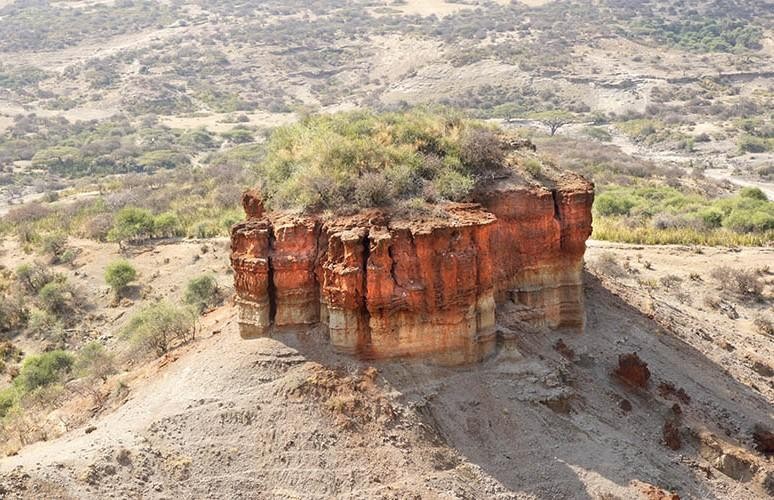
Olduvai Gorge lies about 45 minutes from the crater, on the road to the Serengeti. It is one of the world’s most important fossil sites, with evidence of early humans dating back nearly two million years. A small museum and on-site guides bring its story to life.
Maasai Bomas
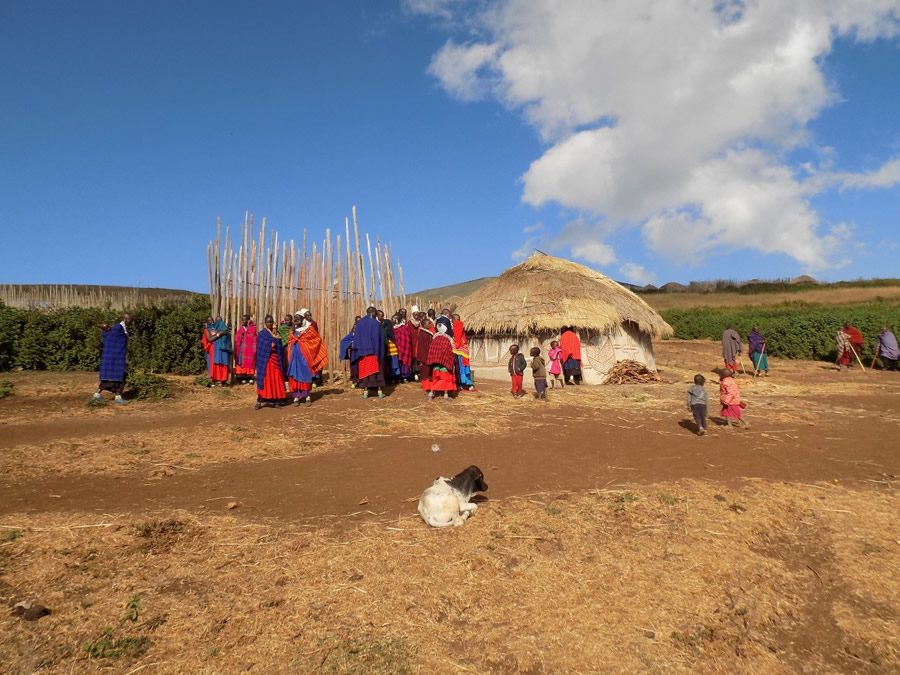
Maasai bomas, or homesteads, are found across the highlands of the Conservation Area. A visit lets you learn about Maasai culture through their homes, crafts, dances and stories.
What Animals Can Be Seen in Ngorongoro Crater?
The crater floor is home to an amazing number of animals for its size. On a single game drive, you may see lions, elephants, buffalo, zebras, wildebeest, hippos, spotted hyenas, gazelles, jackals, warthogs and flocks of flamingos.
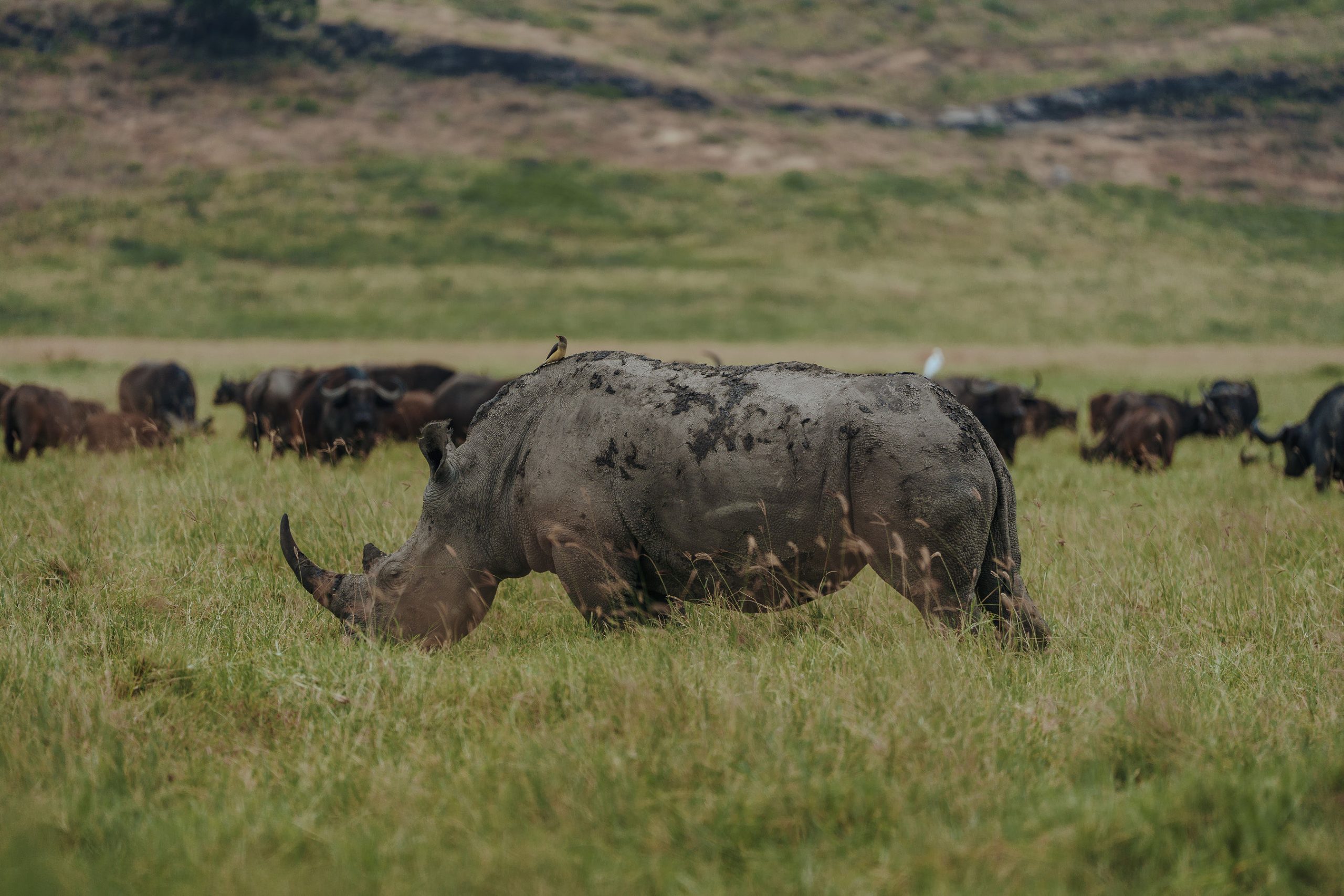
Black rhinos also live in the crater, although their numbers are small. According to the Ngorongoro Conservation Area Authority, about 25 to 26 rhinos lived in the crater in 2023, down from around 108 in 1968 before poaching took its toll. Today, they are closely protected and monitored.
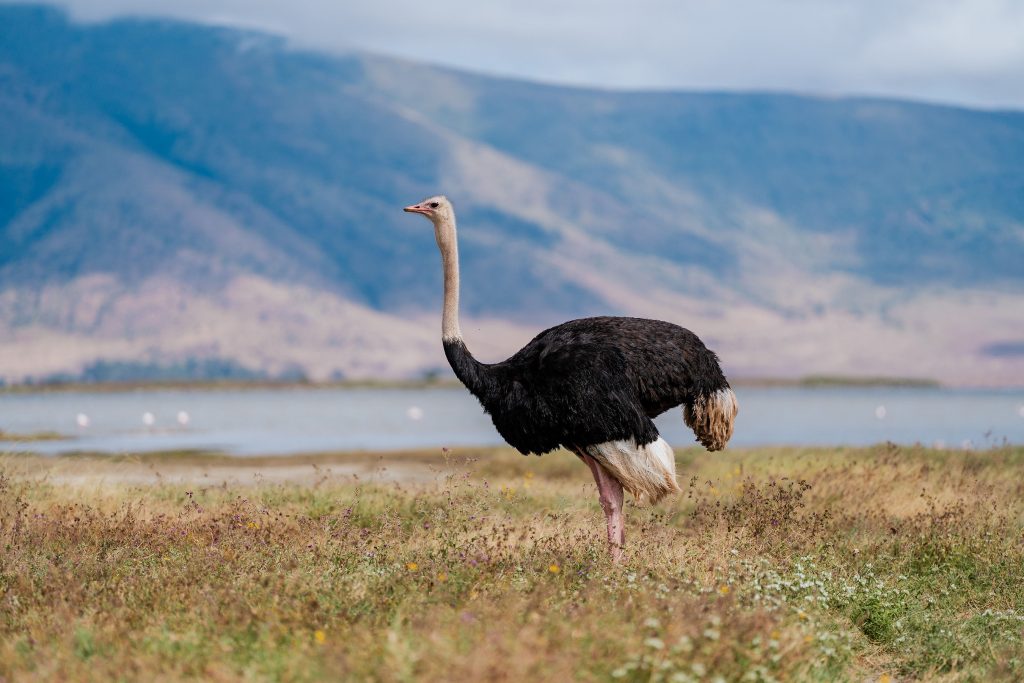
The birdlife is excellent too, with more than 500 species recorded across the Conservation Area. Look out for crowned cranes, kori bustards, ostriches and the bright flamingos of Lake Magadi.
The Big Five in Ngorongoro Crater
Ngorongoro is one of the best places in Africa to see all of the Big Five in a single day: the lion, elephant, buffalo, leopard and black rhino. Still, wildlife is wild, so no sighting can ever be guaranteed.
Lion
The crater has a high density of lions, thanks to its plentiful prey. They often rest in the open grass by day, so early morning and late afternoon are the best times to see them active.
Elephant
Most elephants on the crater floor are big old bulls with huge tusks, often found around Lerai Forest. Breeding herds with calves spend more time in the highland forests of the wider Conservation Area.
Buffalo
Buffalo are common across the crater floor, grazing in large herds on the open grassland and around the swamps. They look calm, but they are powerful animals, so guides always keep a safe distance.
Leopard
Leopards are the hardest of the Big Five to find in the crater. They usually stay hidden in Lerai Forest and along wooded edges, so patience and a sharp-eyed guide are key.
Black Rhino
Seeing a black rhino is a real highlight of any Ngorongoro safari, as the crater is one of the best places in Tanzania to find them. Because there are so few, sightings take patience, and binoculars help, as rhinos are often seen in the distance.
Can Giraffes Be Seen Inside Ngorongoro Crater?
No, giraffes are not found on the crater floor, although you can see them elsewhere in the wider Conservation Area. They are the one big animal visitors often expect but will not see inside the crater.
Why Are There No Giraffes in Ngorongoro Crater?
There are two main reasons. First, the crater’s steep walls make it very hard for giraffes, with their long legs and heavy bodies, to walk safely in and out. Second, giraffes feed on leaves from tall trees and bushes, while the crater floor is mostly open grassland, swamps and low plants, which suit grazing animals much better.
If giraffes are high on your list, you can easily see them nearby. They are common in the wider Conservation Area, on the road between the crater and the Serengeti, and in Tarangire and Lake Manyara.
Can Giraffes Be Seen Inside Ngorongoro Crater?
No, giraffes are not found on the crater floor, although you can see them elsewhere in the wider Conservation Area. They are the one big animal visitors often expect but will not see inside the crater.
There are two main reasons. First, the crater’s steep walls make it very hard for giraffes to walk in and out. Second, giraffes feed on leaves from tall trees and bushes, while the crater floor is mostly open grassland, swamps and low plants, which suit grazing animals much better.
Maasai Culture in the Ngorongoro Conservation Area
Ngorongoro is not only about wildlife. It is also home to Maasai communities, and a visit to their homesteads is a wonderful way to learn about one of Africa’s most famous cultures.
Do the Maasai Live in the Ngorongoro Conservation Area?
Yes. Maasai communities live across the wider Conservation Area, although they do not live on the crater floor itself. When the area was set up in 1959, it was designed as a multiple-use area, so wildlife conservation and traditional Maasai herding could continue side by side.
The Maasai have a long history in these highlands, and UNESCO records also describe the area as a traditional Maasai homeland. Their grasslands and water sources are vital for their cattle, which sit at the heart of their way of life.
What Is Maasai Life Like in Ngorongoro?
Maasai life centres on cattle, which provide food, wealth and an important place in community life. Traditional homes made of wood, mud and dung, colourful shukas, beautiful beadwork and ceremonies remain a proud part of their identity.
On a respectful Maasai village visit, you can step inside a traditional home, watch the famous jumping dance, hear stories about daily life and browse handmade crafts. In addition, the visit fee supports the local community.
Olduvai Gorge: Where Human History Began
Olduvai Gorge is one of the most important fossil sites in the world. Here, scientists such as Louis and Mary Leakey found remains and stone tools of early humans dating back nearly two million years, which changed our understanding of human history.
Today, a small museum and on-site guides explain these discoveries and show you the colourful rock layers of the gorge. As a result, a short stop at Olduvai adds a fascinating human story to your wildlife safari, especially on the way to or from the Serengeti.
Exploring the Crater Floor
The crater floor packs several habitats into a small space, which is why so many animals can be seen in one drive. Open grasslands feed big herds of zebras, wildebeest and buffalo, while Lake Magadi draws flamingos and the swamps stay green even in the dry season.
Meanwhile, Lerai Forest gives shade and shelter to elephants and other wildlife. As a result, a single day on the crater floor feels like several safaris in one.
When Is the Best Time to Visit Ngorongoro Crater?
Ngorongoro is great to visit all year, because most animals stay on the crater floor in every season. However, each season offers a slightly different experience.
The dry season, from June to October, brings clear skies, easier roads and short grass that makes animals easy to spot, although it is also the busiest time. From November to March, the land turns green, and nearby Ndutu hosts the calving season from January to March. Meanwhile, the long rains of April and May bring fewer visitors and lower prices, but some roads can get muddy.
How Many Days Are Needed for a Ngorongoro Safari?
“One full day is enough” for a rewarding crater-floor game drive, which works well if you are short on time. With two days, you can add a Maasai village visit, Olduvai Gorge or a hike to Empakai Crater.
Three or more days are ideal when you combine Ngorongoro with the Serengeti, Tarangire or Lake Manyara on a classic northern circuit.
Rules for Visiting the Crater Floor
To protect the crater and its wildlife, a few simple rules apply. Your guide takes care of them, but it helps to know what to expect:
- Time limit: game drives on the crater floor are usually limited to about six hours per visit.
- One-way roads: vehicles use separate roads to drive down into the crater and back up.
- Stay on the tracks: driving off-road is not allowed, which protects the grass and the animals.
- Stay in the vehicle: you can only step out at marked picnic sites, such as Ngoitokitok Spring.
- Leave by evening: all vehicles must leave the crater floor before dark.
Where to Stay Near Ngorongoro Crater
There are two main areas to stay: on the crater rim or in the nearby town of Karatu. The best choice depends on your budget, your style and how early you want to start your game drive.
Lodges on the Crater Rim
Rim lodges offer spectacular views over the crater and a short drive down to the floor in the morning. Many are at the luxury end, and waking up to mist rolling across the caldera is an experience you will never forget.
Lodges in Karatu
Karatu lies a short drive from the Conservation Area’s main gate and offers a wider range of lodges at different prices. Because it sits outside the Conservation Area, it is a practical and good-value option.
How to Get to Ngorongoro Crater
Most visitors reach Ngorongoro by road from Arusha, a journey of about 180 kilometres that usually takes three to four hours. If you fly into Kilimanjaro International Airport, you normally travel to Arusha first and continue from there.
Ngorongoro also connects easily by road with the Serengeti, Tarangire and Lake Manyara. Therefore, it fits naturally into any northern Tanzania safari route, often on the way to or from the Serengeti.
Frequently Asked Questions About Ngorongoro Crater
How much does a Ngorongoro safari cost?
The cost depends on the season, your accommodation, the length of your trip and the other parks you include. The crater descent is also charged per vehicle, so travelling in a small group can lower the cost per person. Tell us your dates and travel style, and we will prepare a detailed quote.
Is Ngorongoro Crater suitable for families?
Yes. Game drives are vehicle-based, with little walking, and the huge number of animals keeps children excited all day. Just make sure everyone follows the guide’s safety instructions.
Can Ngorongoro Crater and the Serengeti be visited together?
Yes. They are neighbours and are commonly combined on northern circuit safaris, giving you two very different landscapes and wildlife experiences in one trip.
What is the weather like at Ngorongoro Crater?
The crater rim sits at about 2,300 metres, so mornings and evenings can be cold, while the crater floor is usually warmer during the day. Bring a warm jacket for early starts, even in the hotter months.
Can a Maasai village be visited from Ngorongoro?
Yes. Several Maasai homesteads across the Conservation Area welcome visitors, and a cultural visit is easy to add to your Ngorongoro day.
How long can visitors stay on the crater floor?
Game drives on the crater floor are usually limited to about six hours per visit, and all vehicles must leave before dark.
Is Ngorongoro Crater worth visiting?
Yes. With its dense wildlife, a good chance of the Big Five and stunning volcanic scenery, Ngorongoro is one of the highlights of any Tanzania safari.
