Northern Tanzania offers far more than the game drives that first draw travellers here. Beyond the wildlife, the Northern Circuit is full of mountains, craters, ancient history and living cultures. In fact, some of the best things to do in northern Tanzania happen outside the safari vehicle.
Many of these experiences sit close to the Serengeti, the Ngorongoro Crater and Arusha. Others take you onto a mountain trail, into a quiet forest or into a community that has lived here for generations.
Most take just a few hours, while a few need a full day or more. Together, they add colour and depth to any safari built around wildlife sightings.
Why Choose a Northern Tanzania Safari?
Northern Tanzania brings together Africa’s most famous parks, its greatest wildlife show and living cultures, all on one easy route. Here are the main reasons travellers fall in love with it.
The Serengeti’s Endless Plains
The Serengeti covers about 14,750 square kilometres of golden grassland, river forest and woodland. Big cats, elephants, buffalo and countless antelope live here all year. In addition, more than 500 bird species fill the skies, so every game drive feels different.
The park also changes with the seasons. Calving brings newborn wildebeest to the south early in the year, while river crossings thrill visitors in the north later on. Either way, predator action is never far away.
The Great Wildebeest Migration
Often called the greatest wildlife show on Earth, the migration moves over a million wildebeest and zebras in a giant yearly circle. The herds follow the rains between the Serengeti and Kenya’s Maasai Mara in search of fresh grass.
From about December to March, they gather on the southern plains and near Ndutu to give birth. Then, from July to October, they mass in the northern Serengeti, where dramatic river crossings take place. Learn more in our Great Migration guide.
Tarangire’s Elephants and Baobabs
Tarangire is famous for its huge elephant herds and ancient baobab trees. Tall termite mounds dot the landscape, adding to its wild, timeless feel.
During the dry season, from about June to November, animals crowd around the Tarangire River and the Silale Swamp. As a result, you can see large herds of elephants, buffalo, zebras and wildebeest, along with lions and leopards.
The Wildlife-Packed Ngorongoro Crater
The Ngorongoro Crater is the world’s largest unbroken volcanic caldera and a UNESCO World Heritage Site. Its floor holds one of the highest densities of wildlife in Africa.
Here, you have a real chance to see all of the Big Five, including the rare black rhino. Many game drives also include a picnic lunch beside a hippo pool, with kites circling overhead.
Lake Manyara’s Flamingos and Tree-Climbing Lions
Lake Manyara sits below the dramatic Rift Valley wall, between Tarangire and the Ngorongoro highlands. Its forests, grasslands and soda lake create a small but varied park.
In the wetter months, flocks of flamingos often turn the shoreline pink. Meanwhile, elephants roam the forest, and if you are lucky, you may spot the famous tree-climbing lions resting in the branches.
Mount Kilimanjaro, the Roof of Africa
At 5,895 metres, Mount Kilimanjaro is Africa’s highest mountain and the world’s tallest free-standing peak. It has seven main routes, including Marangu, Machame, Rongai and Lemosho.
Rongai offers a quiet northern approach, while Lemosho winds through beautiful, varied scenery. Most importantly, choosing a longer route gives your body more time to adjust to the altitude.
The Rich Culture of the Maasai
The Maasai are one of Africa’s best-known communities, living across northern Tanzania and southern Kenya. Cattle sit at the heart of their life, and their society is organised into age sets, from young warriors to wise elders.
On a respectful village visit, you can step inside their homes, hear their stories and watch their famous jumping dance. Your visit also supports the community directly.
What Are the Best Experiences in Northern Tanzania Beyond Game Drives?
The best experiences beyond game drives include balloon flights, walking safaris, cultural visits, mountain hikes and coffee tours. Here are ten of the most rewarding, with where to find them and why they are worth adding.
Hot Air Balloon Safari Over the Serengeti
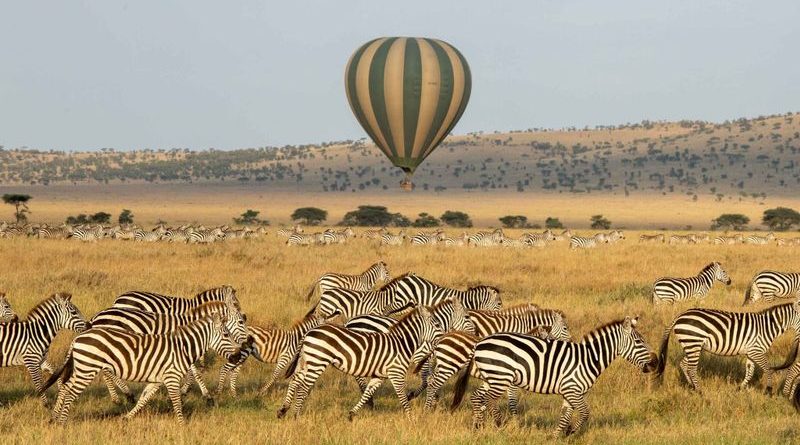
A sunrise balloon flight lifts you gently above the Serengeti plains. You drift silently over herds and rivers, then land for a champagne breakfast in the bush.
Flights launch at dawn from the central and northern Serengeti, and some camps now also fly over Tarangire. They run all year, but the migration months add huge herds below. Unlike a game drive, a balloon shows you the whole landscape at once.
Walking Safari in Tarangire or Arusha National Park
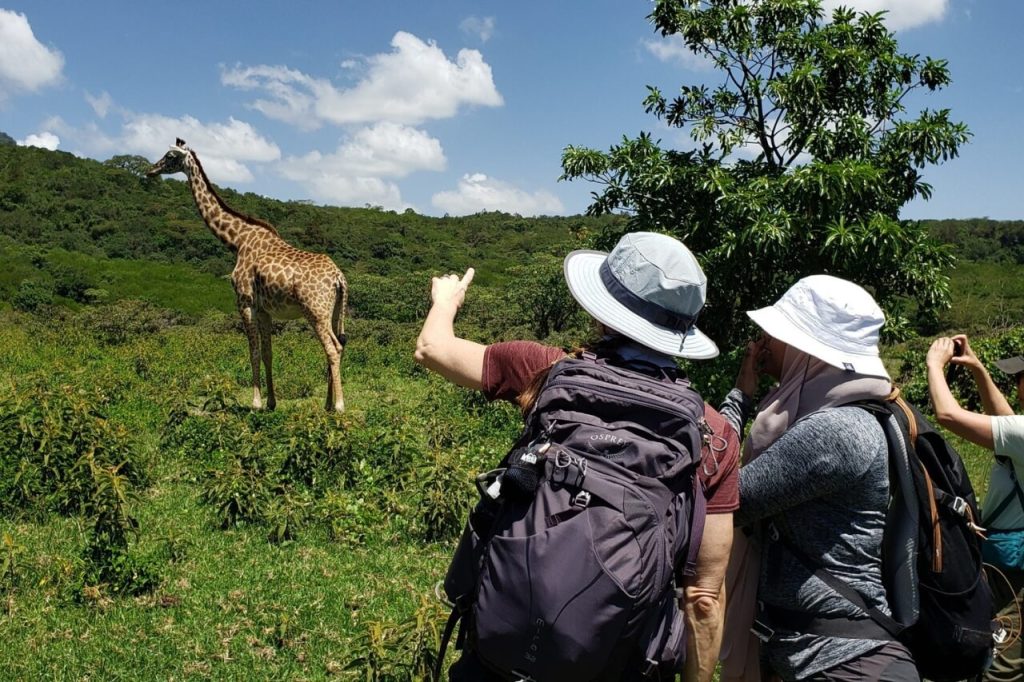
On a guided walk, you follow tracks, dung and birdsong on foot. An armed ranger and an experienced guide lead the way and keep you safe.
Tarangire and Arusha National Park both offer walking trails, chosen around current wildlife movement. The dry season, from June to October, keeps paths firm and easy to walk. Walking slows everything down, so small details become the main event.
Visiting a Maasai Boma Near Ngorongoro
A boma visit introduces you to traditional homes, cattle keeping and age-set customs still practised today. Often, warriors welcome you with the famous jumping dance.
Maasai communities live across the Ngorongoro and Arusha region, and many bomas sit right beside the main road. Visits run all year, as they follow the community’s own rhythm. Above all, it swaps watching animals for real conversation. .
Meeting the Hadzabe Near Lake Eyasi
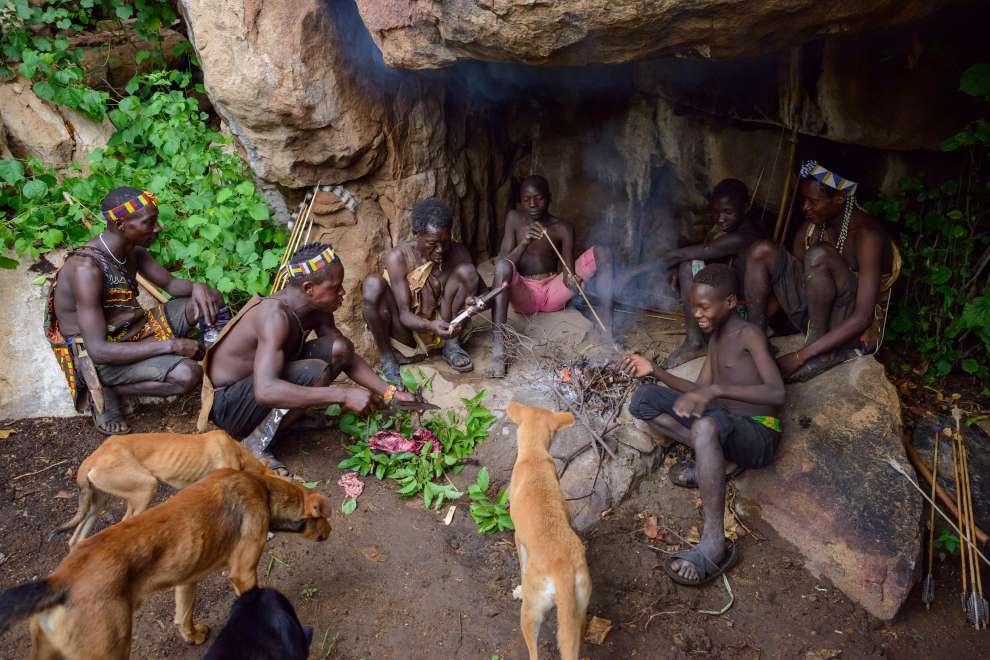
The Hadzabe are one of the last hunter-gatherer communities on Earth. A visit often includes joining a short hunting or foraging walk with traditional bows.
They live near the shores of Lake Eyasi, about 1.5 to 2 hours from Karatu by road. Visits run all year, although dry-season roads make the drive easier. Instead of watching wild animals, you see how people have lived from this land for thousands of years.
Watching a Datoga Blacksmith at Work
Datoga families near Lake Eyasi hand-forge arrowheads, bracelets and tools. You can watch the whole process, from fire to finished piece.
Their homesteads sit close to the Hadzabe, so most travellers visit both on the same day. Blacksmiths work all year round. As a result, the focus shifts from wildlife to a skill passed down through generations. \
Exploring Olduvai Gorge and Early Human History
Olduvai Gorge holds fossils of early humans dating back nearly two million years. A small museum and an on-site guide explain the key discoveries.
The gorge sits inside the Ngorongoro Conservation Area, about 45 minutes from the crater by road. It works well in any season, since the visit centres on the museum and viewpoint. Instead of animal sightings, you see real evidence of humanity’s own origins.
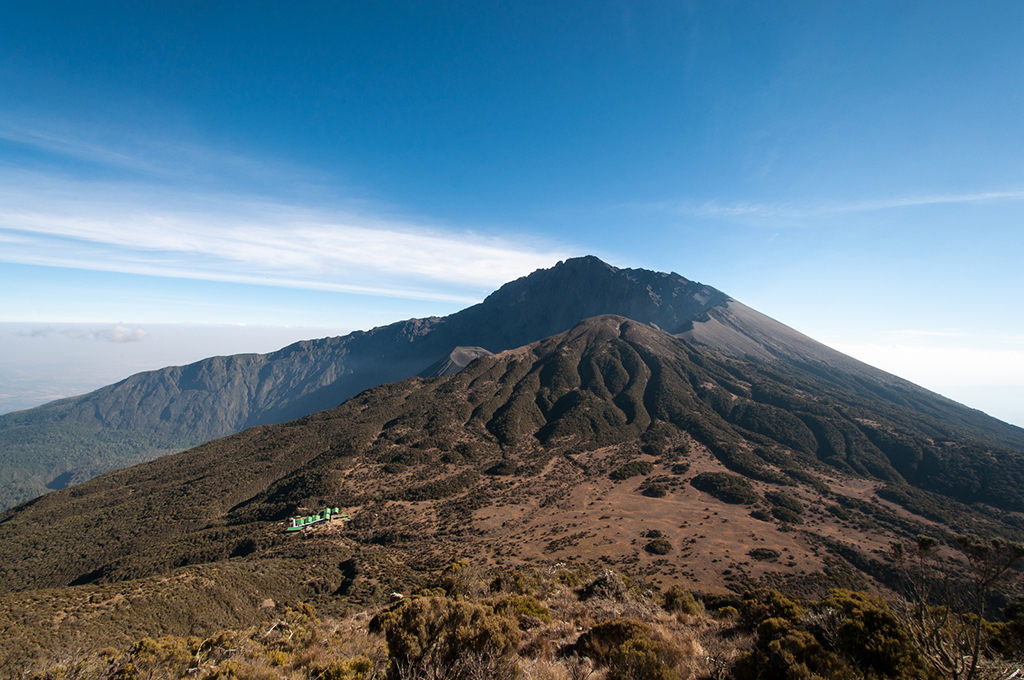
Hiking Mount Meru in Arusha National Park
Mount Meru is a quieter alternative to Kilimanjaro, reaching 4,566 metres. The three- to four-day trek passes through forest, past waterfalls and along a dramatic crater ridge.
The mountain rises inside Arusha National Park, a short drive from Arusha town. The dry months, from June to October and January to March, bring the clearest views. As a result, you earn a summit view no vehicle could ever reach.
Canoeing at Momella Lakes in Arusha National Park
The Momella Lakes sit at the foot of Mount Meru. Flamingos, hippos and waterbirds gather here, and canoeing brings you close to them in peaceful silence.
The lakes lie inside Arusha National Park, so you can easily combine a paddle with a Meru trek or a short park visit. Canoeing runs all year, although calmer dry-season water makes paddling easier. Sitting at water level, you get closer to birds than any vehicle window allows.
Touring a Coffee Farm Near Arusha
Small farms in the green foothills around Arusha grow some of East Africa’s finest coffee. A morning tour covers picking, roasting and tasting your own cup.
Many farms sit within a short drive of town. Tours run all year, but the harvest months, roughly July to December, bring extra activity in the fields. Best of all, it engages your senses of taste and smell, not just sight.
Visiting the Market Town of Mto wa Mbu
Mto wa Mbu is a lively trading town where many different ethnic groups live side by side. Its markets sell fresh fruit, colourful crafts and local banana beer.
The town sits beside the entrance to Lake Manyara National Park, right on the main Northern Circuit road. Markets are busiest in the morning. Here, you see everyday Tanzanian life, trade and community up close.
When Is the Best Time for These Experiences?
Most of these experiences run comfortably all year. Unlike game drives, they depend very little on wildlife movement. For example, cultural visits, coffee tours and Olduvai Gorge work well in any season.
The dry season, from June to October, brings the clearest skies for balloon flights. It also offers the easiest hiking on Mount Meru and better roads to Lake Eyasi. Meanwhile, the green months bring lush scenery, fewer visitors and often lower prices. For more detail,
How Many Extra Days Are Needed?
Most experiences need only a few hours, so they fit easily into an existing safari. As a simple guide:
- Half a day or less: a balloon flight, a Maasai visit, Olduvai Gorge, a coffee tour or Mto wa Mbu.
- One full day: the Hadzabe and Datoga at Lake Eyasi, since the drive makes a half-day visit impractical.
- Three to four days: the Mount Meru trek, a real summit adventure without a week-long climb.
What to Pack for Activities Beyond Game Drives
Early balloon flights and sunrise cultural visits start cool, so bring a warm layer. Comfortable closed shoes also work well for walking safaris, markets and village walks.
For Mount Meru, pack proper hiking gear: warm layers, sturdy boots, rain protection, trekking poles and a headlamp. On cultural visits, wear modest clothing that covers your shoulders and knees. In addition, a hat, sunscreen, a reusable water bottle and insect repellent are useful for every activity.
Where to Stay for These Northern Tanzania Experiences
The best base depends on which experiences you choose. Fortunately, most lodges sit close enough to reach them easily.
Ngorongoro, Karatu and Tarangire
Lodges around Ngorongoro, Karatu and Tarangire put many experiences within easy reach. For example, a base near Ngorongoro brings Olduvai Gorge, Maasai visits and Lake Eyasi all within a day’s drive. Karatu also works well as a midpoint between the crater and Lake Eyasi.
Arusha and Mount Meru
Mount Meru climbers usually stay in Arusha town before and after the trek. On the mountain itself, you sleep in simple huts. Arusha is also the ideal base for coffee tours and canoeing at the Momella Lakes.
Can These Experiences Be Combined With a Serengeti or Ngorongoro Safari?
Yes, and that is how most travellers enjoy them. A balloon flight or cultural visit slots naturally into a free morning during a Serengeti or Ngorongoro stay.
Olduvai Gorge and many Maasai bomas sit right beside the road between Ngorongoro and the Serengeti. As a result, they add little or no extra driving on a transfer day. By contrast, Mount Meru and Lake Eyasi need a little more planning, so add one or two days at the start or end of your trip.
How to Get to Lake Eyasi and Olduvai Gorge
Both sites are easy to reach by road on a Northern Circuit safari, with no internal flight needed. Your safari vehicle and driver-guide handle the whole journey.
Olduvai Gorge lies about 45 minutes from the Ngorongoro Crater, on the road to the Serengeti. Meanwhile, Lake Eyasi sits about 1.5 to 2 hours from Karatu. The road is fine in the dry season, but rain can slow it, so allow extra time in the wettest months.
Are These Experiences Worth Adding to a Safari?
Yes. Even one extra activity, like a balloon flight or Maasai visit, changes the feel of your whole trip. It adds history, culture and adventure to a safari otherwise built around wildlife.
These experiences also break up long drives between parks and add a welcome change of pace. Best of all, most sit close to the main route, so they rarely add much extra cost or time.
Why Book These Experiences With See Endless Adventures?
With See Endless Adventures, adding these experiences to your safari is simple. We fit each one smoothly into your route, so you enjoy more without long detours or rushed days.
- Local know-how: our team knows the best bomas, trails, farms and timings across the north.
- Expert guides: they explain every culture, landscape and tradition along the way.
- Tailor-made trips: every itinerary is built around your interests, pace and budget.
- Round-the-clock support: our team is available 24/7 while you are in Tanzania.
- Fair pricing: our Best Price Promise matches a better quote for the same trip.
Frequently Asked Questions About Experiences Beyond Game Drives
What is the most popular activity beyond a game drive in northern Tanzania?
A sunrise hot air balloon flight over the Serengeti tops most travellers’ lists. It offers a unique view from above and is easy to arrange.
Do these activities need extra permits?
Some do. For example, Olduvai Gorge has a conservation fee and Mount Meru needs park fees. Your safari company usually arranges these as part of the booking.
Can beginners hike Mount Meru?
Yes. The climb needs no technical skills, only a reasonable level of fitness. That makes it suitable for most healthy adults.
How long does climbing Mount Meru take?
Most treks take three to four days, starting and finishing in Arusha.
Can these activities be added to a Serengeti or Ngorongoro safari?
Yes. In fact, most travellers add them this way. Olduvai Gorge and Maasai visits sit right on the main road, adding little extra driving.
How far is Lake Eyasi from the main safari route?
Lake Eyasi is about 1.5 to 2 hours from Karatu by road. Visiting the Hadzabe and Datoga there works best as a full day.
How far is Olduvai Gorge from the Ngorongoro Crater?
It is about a 45-minute drive, so it is an easy stop on the way to the Serengeti.
Do these activities depend on the migration season?
No. Most of them, including cultural visits, coffee tours and Olduvai Gorge, run all year. They do not depend on wildlife movement the way game drives do.
Is the dry season better for these activities?
Usually, yes. From June to October, you get clearer skies for balloon flights, easier hiking on Mount Meru and better roads to Lake Eyasi.
Do these activities add much cost or time to a safari?
Generally not, because most sit close to the main safari route. The main exceptions are Mount Meru and Lake Eyasi, which need one to four extra days.