
What to Pack for a Tanzania Safari
Knowing what to pack for a Tanzania safari can make your journey more comfortable and enjoyable. The right items help you stay prepared for cool mornings, warm afternoons, dusty roads and changing weather.
A good Tanzania safari packing list does not need to be complicated. For example, comfortable clothes, suitable shoes, sunglasses, a hat, sunscreen, insect repellent, binoculars, a camera and important travel documents are some of the key things to bring.
In addition, your packing can depend on your safari itinerary and season. A trip involving bush flights, walking activities, the Ngorongoro Highlands or a Zanzibar extension may require a few additional items.
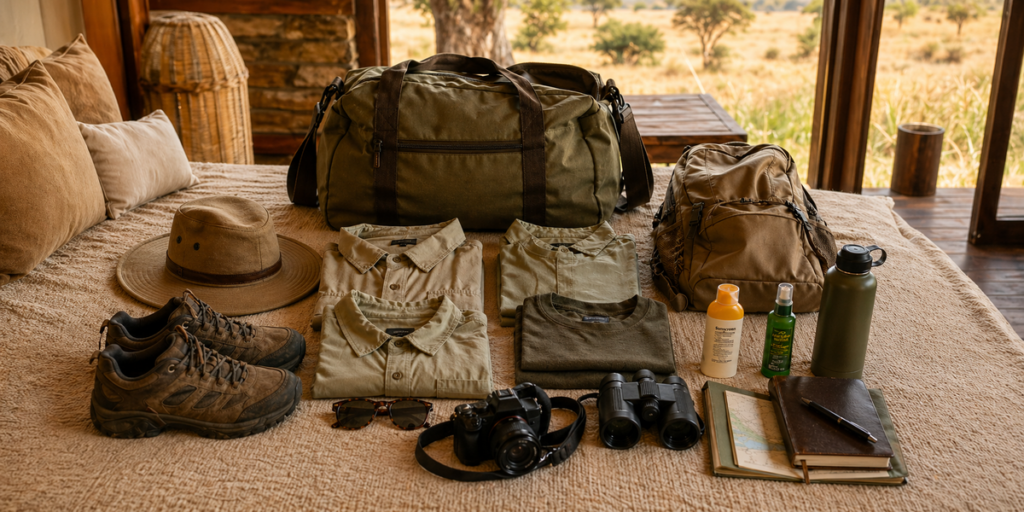
What to Pack for a Tanzania Safari? Essential Items You Must Have
Before packing your bag, it is useful to understand the main items you may need during your safari. The goal is to pack light, stay comfortable and prepare for different conditions.
Safari days can start early when temperatures are cool and become much warmer later in the day. Therefore, lightweight clothing that can be worn in layers is more practical than carrying many heavy outfits.
Your final Tanzania safari packing list should also match your activities. For example, a normal game-drive safari, walking safari, Kilimanjaro trip or safari combined with Zanzibar can all have slightly different requirements.
Complete Tanzania Safari Packing Checklist
Here is a simple checklist you can use before leaving home:
Clothing
- Lightweight T-shirts
- Long-sleeved shirts
- Lightweight trousers
- Shorts
- Underwear
- Socks
- Warm fleece or sweater
- Light rain jacket
- Sleepwear
- Swimwear
Footwear
- Comfortable walking shoes
- Light hiking shoes if required
- Sturdy boots if required for walking activities
- Sandals
Sun Protection
- Sunglasses
- Hat
- Sunscreen
- Lip balm
- Lightweight long-sleeved shirt
Safari Gear
- Binoculars
- Camera
- Extra batteries
- Memory cards
- Power bank
- Small daypack
- Reusable water bottle
Insect Protection
- Insect repellent
- Long-sleeved shirts
- Long trousers
Personal Items
- Prescription medicines
- Toiletries
- Personal hygiene products
- Basic first-aid items
- Hand sanitiser
Travel Documents
- Passport
- Visa if required
- Travel insurance
- Safari documents
- Flight information
- Important contact details
What Are the Most Important Things to Bring on a Tanzania Safari?
The most important items are those that help you stay comfortable, protected and prepared throughout the day. Therefore, you do not need to fill your suitcase with unnecessary equipment.
Your basic safari essentials should include comfortable clothes, suitable shoes, sunglasses, a hat, sunscreen, insect repellent, binoculars, a camera and personal items.
In addition, travel documents are equally important. Keep your passport, visa if required, travel insurance information and safari booking details somewhere safe and easy to access.
What Are the Best Clothes to Pack for a Tanzania Safari?
Lightweight and breathable clothes are ideal for most Tanzania safaris. Comfortable cotton or similar materials can help you stay cool during warm afternoons.
Long-sleeved shirts and long trousers are useful for protection from the sun, dust and insects. However, shorts and short-sleeved shirts can also be comfortable during warmer parts of the day.
Neutral colours such as khaki, beige, brown and olive are practical safari choices. Bright colours are generally less practical in the bush, while white clothes can quickly show dust.
You do not necessarily need to buy a completely new safari wardrobe. Instead, comfortable clothes you already own can work well if they are suitable for the weather and activities.
Which Shoes Are Best for a Tanzania Safari?
Comfortable footwear is more important than fashionable footwear on safari. Therefore, choose shoes that you can comfortably wear for several hours, especially if your itinerary includes walking.
For ordinary game drives, comfortable trainers or sturdy walking shoes can be enough. However, walking safaris may require stronger and more supportive footwear depending on the terrain and your safari operator’s requirements.
You can also carry sandals for relaxing at your lodge or camp. If you buy new shoes before travelling, wear them several times first so they are already comfortable.
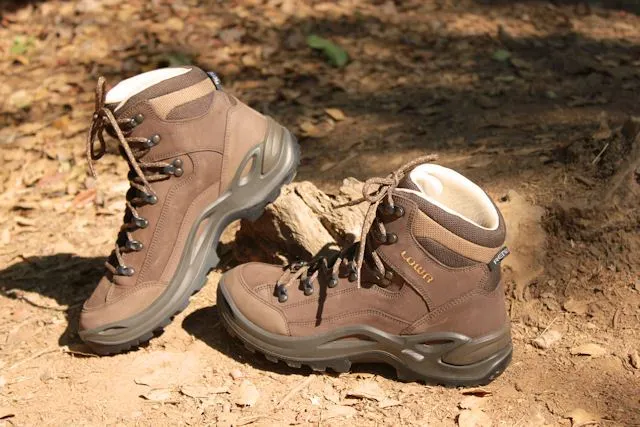
Recommended Safari Footwear
- Comfortable walking shoes
- Lightweight hiking shoes if required
- Sturdy boots for certain walking activities
- Sandals for the lodge or camp
- Comfortable socks
You do not normally need heavy mountain boots for a standard vehicle-based safari. Therefore, your footwear should match the activities included in your itinerary.
The Importance of Sunglasses on a Tanzania Safari
Sunglasses are a small item but can be very useful during long game drives. Strong sunlight, dust and wind can make your eyes uncomfortable, particularly when travelling in an open safari vehicle.
Therefore, choose sunglasses that are comfortable enough to wear for several hours. A good pair can also help reduce glare when you are looking across open landscapes.
Keep your sunglasses somewhere accessible in your daypack so you can easily use them when the sun becomes stronger.
Sunglasses Checklist
- Comfortable sunglasses
- Protective case
- Cleaning cloth
- Spare pair if needed
What Type of Hat Is Best for a Tanzania Safari?
A hat can provide useful protection from strong sunlight during long periods outdoors. In particular, a wide-brimmed hat can protect your face, ears and neck better than a small cap.
A comfortable cap can also work well, especially when travelling in a safari vehicle. Therefore, choose something lightweight that fits securely and is easy to pack.
A hat can also be useful during walking activities and visits to cultural or local attractions where you may spend more time outside.
Hat Options
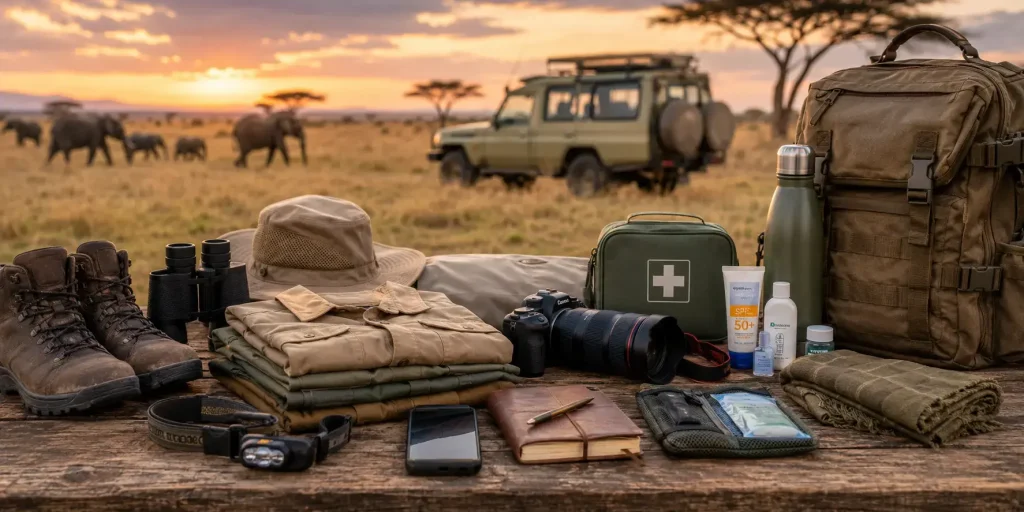
- Wide-brimmed safari hat
- Comfortable cap
- Lightweight sun hat
- Packable hat
Why Is Sunscreen Important on a Tanzania Safari?
You may spend several hours outside during a safari, so sunscreen should be an important part of your Tanzania safari packing list.
Choose a sunscreen suitable for your skin and apply it according to the product instructions. Also, remember that you can still receive strong sun exposure when sitting inside a safari vehicle.
It is also useful to carry sunscreen in your daypack so you can reapply it during the day.
Sun Protection Checklist
- Sunscreen
- Sunglasses
- Hat
- Lip balm with sun protection
- Lightweight long-sleeved shirt
- Reusable water bottle
Do You Need Insect Repellent on a Tanzania Safari?
Yes, insect repellent is a useful item to carry, especially during evenings and in areas where mosquitoes are common.
Your lodge or camp may provide insect repellent, but carrying your own gives you an additional option. Therefore, choose a product that is suitable for you and follow its instructions.
Long sleeves and trousers can also provide additional protection. If you are concerned about malaria or other insect-borne diseases, speak with a qualified healthcare professional before travelling.
Why Are Binoculars Useful During a Tanzania Safari?
Binoculars can make wildlife viewing much more enjoyable. Animals are not always close to the safari vehicle, and binoculars allow you to see distant wildlife more clearly.
They are especially useful for birdwatching, spotting animals in tall grass and observing wildlife behaviour from a respectful distance.
If you enjoy photography, binoculars are still useful because they serve a different purpose from a camera. Therefore, a good pair can become one of the most frequently used items during your game drives.
Binoculars to Consider
- Compact binoculars for easy carrying
- 8x or 10x magnification
- A comfortable neck strap
- Protective case
Frequently Asked Questions About Packing for a Tanzania Safari
1. What should I pack for a Tanzania safari?
Essentials include lightweight clothing, comfortable walking shoes, sun protection, insect repellent, binoculars, a camera, and your travel documents.
2. What colour clothes are best for a safari?
Neutral colours such as khaki, beige, brown, and olive work best, since bright colours can be less practical and white shows dust quickly.
3. Do I need special shoes for a Tanzania safari?
For a standard game-drive safari, comfortable walking shoes or trainers are enough; walking safaris may require sturdier, more supportive footwear.
4. Is insect repellent necessary on safari?
Yes, it’s useful year-round, particularly in the evenings, and long sleeves and trousers add extra protection.
5. Do I need binoculars for a safari?
Yes, they make it much easier to see distant wildlife clearly and are especially useful for birdwatching and spotting animals in tall grass.
6. What type of hat is best for a safari?
A wide-brimmed hat offers the most protection for your face, ears, and neck, though a comfortable cap also works well in a vehicle.
7. Do I need sunscreen even if I’m in a vehicle most of the day?
Yes, you can still receive strong sun exposure while seated inside a safari vehicle, so sunscreen should be applied and reapplied throughout the day.
8. Does my packing list change based on my itinerary?
Yes, trips involving bush flights, walking safaris, the Ngorongoro Highlands, or a Zanzibar extension may call for a few additional items.
9. Can I wear clothes I already own on safari?
Yes, comfortable clothing you already have can work well, as long as it suits the weather and planned activities.
10. What documents should I carry on a Tanzania safari?
Keep your passport, visa if required, travel insurance details, safari booking confirmation, and flight information somewhere safe and easy to access.
Final Thoughts
Packing for a Tanzania safari doesn’t need to be complicated once you know what actually matters. Focusing on lightweight, layered clothing, comfortable footwear, reliable sun and insect protection, and your key travel documents covers most of what you’ll need for a smooth, enjoyable trip.
From there, simply adjust your list based on your specific itinerary, whether that includes a walking safari, a Zanzibar extension, or time in the cooler Ngorongoro Highlands. With the essentials covered, you’ll be free to focus on the experience itself rather than what’s in your suitcase.
