
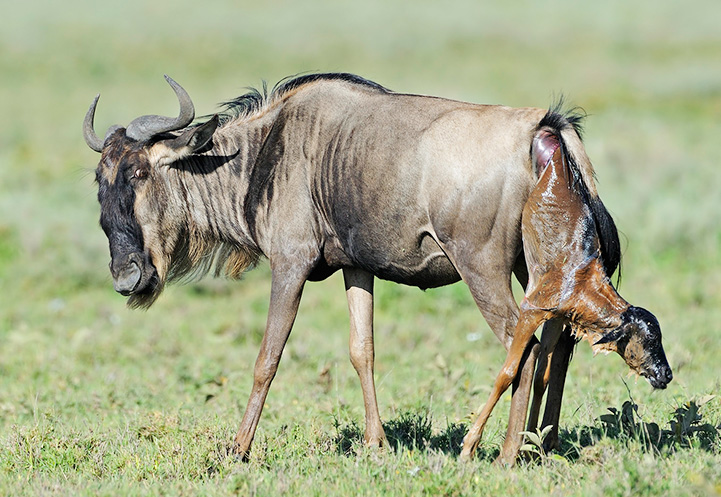
The Ndutu calving season is one of the most interesting wildlife experiences in Tanzania. During this period, large numbers of wildebeest gather on the southern plains to give birth, creating a remarkable concentration of mothers and newborn calves.
Ndutu is also an important part of the wider Serengeti-Mara ecosystem. The surrounding short-grass plains provide nutritious grazing, while seasonal conditions help support wildebeest during this important stage of their annual movement.
For travelers, a Ndutu safari can offer much more than seeing wildebeest. The area can also provide opportunities to see zebras, gazelles, lions, cheetahs, hyenas, jackals and many bird species while enjoying the open landscapes of northern Tanzania.
What Are the Tourism Seasons in Tanzania?
Understanding Tanzania’s tourism seasons can help you choose the right time for a safari. The country generally has periods that travelers describe as high season, shoulder season and low or green season, although weather conditions can differ between regions.
The main dry period is generally from June to October, while November and December bring the short rains in many northern areas. The southern Serengeti has its own seasonal pattern, and the calving period is closely connected to rainfall and fresh grazing.
For travelers interested in Ndutu, January to March is especially important because this is the main period associated with wildebeest calving. However, the exact timing and location of animals can change from one year to another depending on rainfall and grazing conditions.
High Season in Tanzania
The traditional high safari season is mainly associated with the dry months, especially June to October. During this period, wildlife viewing can be easier in many parks because vegetation is generally thinner and animals often gather around available water sources.
However, the high season is not the only time to experience excellent wildlife. The Ndutu calving period attracts travelers specifically because of the large concentration of wildebeest, newborn calves and predators.
Low and Green Season in Tanzania
The green season is associated with periods of rainfall when landscapes become greener and many areas receive fewer visitors. These conditions can create beautiful scenery and support fresh vegetation.
For Ndutu, the period around the beginning of the year is particularly important because fresh grass helps support the migrating herds. This makes the calving season a special period even though it does not fit the traditional dry-season safari pattern.
Where Is Ndutu and When Does the Calving Season Happen?
Ndutu is in the southern Serengeti area, close to the boundary with the Ngorongoro Conservation Area. Its position within the wider Serengeti ecosystem makes it an important area for the seasonal movement of wildebeest and other grazing animals.
The main Ndutu calving season generally occurs between January and March. TANAPA’s recent tourism publication specifically identifies January to March as the calving period in the southern Serengeti and highlights Ndutu and the surrounding short-grass plains.
The exact timing is not fixed like a calendar event. Rainfall, fresh grass and local grazing conditions influence where the herds move, so visitors should understand that wildlife locations can change during the season.
What Is the Ndutu Calving Season?
The Ndutu calving season is the period when large numbers of wildebeest give birth in the southern Serengeti and surrounding plains. It is one of the most important stages of the annual wildebeest migration.
The southern plains become especially valuable because the short grasses are rich in nutrients. These nutrients help support female wildebeest during pregnancy and after giving birth.
The result is a remarkable wildlife concentration, with adult wildebeest, newborn calves and other grazing animals using the same landscape.
Why Do Wildebeest Come to Ndutu?
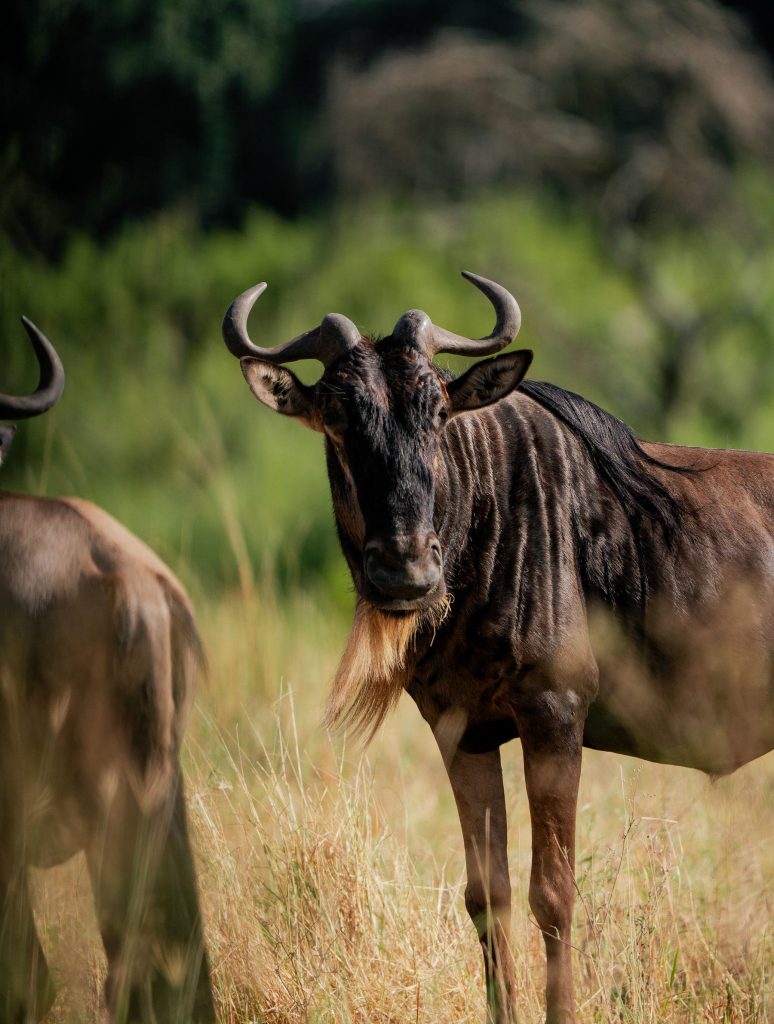
Wildebeest move to the southern plains because the seasonal environment provides suitable grazing conditions. The short grass is particularly important for pregnant and lactating females that need good-quality food.
The soil and grass in these plains contain minerals that are valuable to the animals. TANAPA notes that the volcanic ash and shallow soils contribute nutrients such as calcium, sodium, nitrogen and phosphorus to the grasses.
Fresh grazing also attracts other herbivores. As a result, Ndutu can become a busy wildlife area during the calving season.
The Early, Peak and Late Calving Periods
The calving season can be viewed in three general stages, although nature does not follow exact dates every year.
Early calving period: Wildebeest begin giving birth as herds settle across the southern plains. Visitors may see pregnant females, newborn calves and growing herds.
Peak calving period: This is usually the period when the concentration of newborn calves becomes especially noticeable. It can also bring increased predator activity.
Late calving period: Calving can continue while some herds begin changing their movements as grazing and weather conditions develop.
These stages should be treated as a general guide rather than fixed dates because rainfall can affect the timing.
How Many Wildebeest Calves Are Born During the Calving Season?
The number of births during the wider Serengeti migration is extremely large. TANAPA states that more than half a million wildebeest give birth within a few weeks during the southern Serengeti calving period.
An older Serengeti management publication gives a broader estimate of more than 250,000 calves born annually, with a large proportion born during a short calving period. Different sources and counting methods can produce different figures, so it is better to avoid presenting one number as an exact annual total.
What matters for visitors is the concentration of births. Seeing mothers with very young calves across the open plains is one of the defining experiences of a Ndutu safari.
Animals to See During the Ndutu Calving Season
Ndutu is not only about wildebeest. The concentration of grazing animals attracts a variety of wildlife, making the calving season a productive time for general game viewing.
Common animals and wildlife to look for include:
- Wildebeest
- Zebras
- Thomson’s gazelles
- Grant’s gazelles
- Lions
- Cheetahs
- Leopards
- Spotted hyenas
- Jackals
- Birds of prey
- Other Serengeti wildlife
The exact animals seen during a safari depend on the location of the herds, weather, time of day and other natural conditions.
Which Predators Can You See in Ndutu?
Predators are an important part of the Ndutu ecosystem. Large concentrations of prey can provide feeding opportunities for carnivores, especially when newborn animals are present.
Visitors may encounter lions, cheetahs, leopards, hyenas and jackals. Their behavior can vary, so a safari should focus on observing natural wildlife behavior rather than expecting a particular encounter.
Can You See Lions in Ndutu During Calving Season?
Lions can be seen in the Ndutu area, and the large concentration of herbivores can make the region attractive to them. During a game drive, guides may search areas where prey species are concentrated.
However, wildlife is free to move across a large natural landscape. A lion sighting is never guaranteed, even during the calving season.
Can You See Cheetahs During the Ndutu Calving Season?
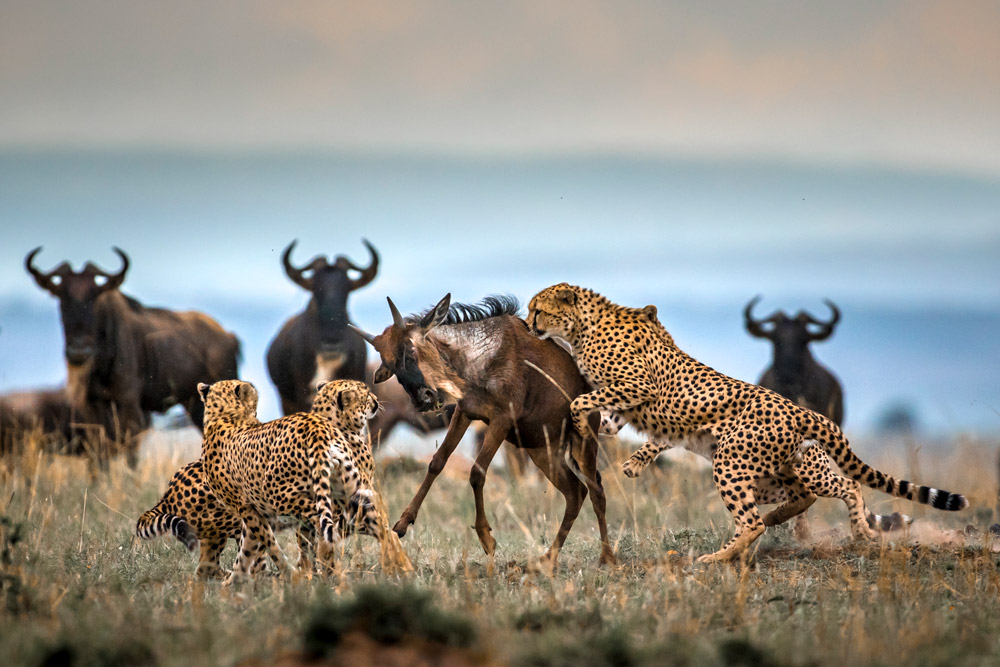
Cheetahs are another predator that visitors may look for around the open plains. The relatively open landscape can make it easier to scan the area for these fast-moving cats.
A good guide will usually search patiently and watch for behavior such as alert posture, movement across open ground or interaction with prey. Sightings still depend on natural conditions and animal movements.
What Is the Great Migration Connection?
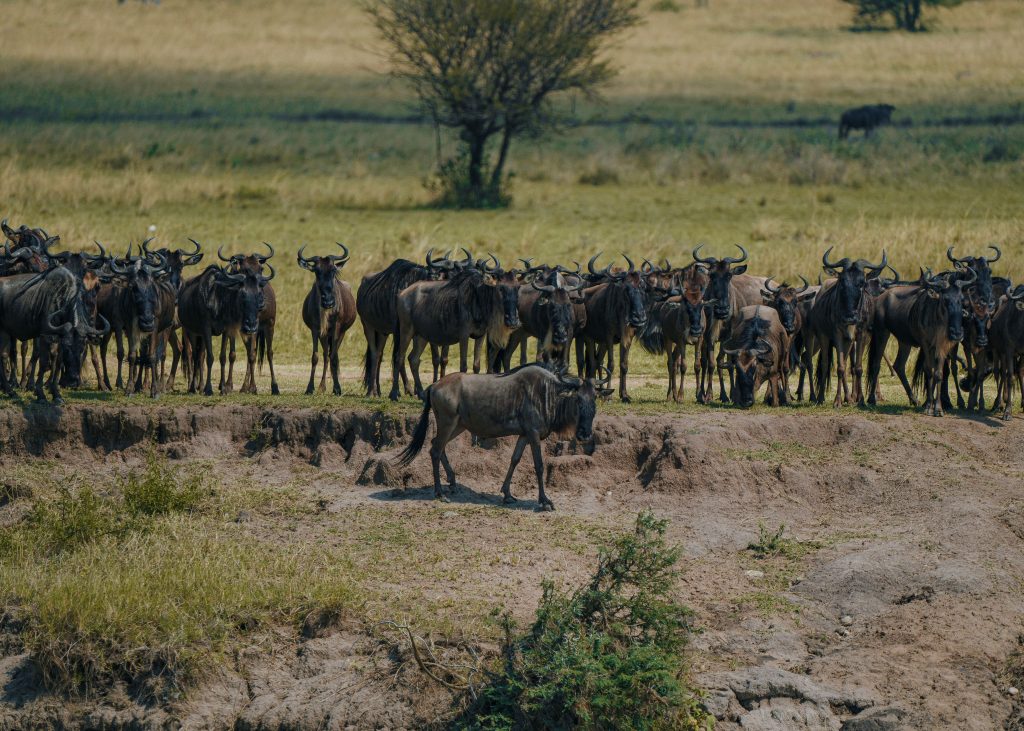
The Ndutu calving season is one stage of the wider Great Migration across the Serengeti-Mara ecosystem. The migration is a continuous annual movement rather than one single event that happens in one place.
During the calving period, large numbers of wildebeest occupy the southern plains before their movements change as the year progresses. TANAPA describes the broader migration as involving large numbers of wildebeest and zebras moving through the ecosystem according to seasonal conditions.
This means that travelers visiting Ndutu during calving season are experiencing one important chapter of a much larger natural cycle.
What Is the Difference Between Ndutu Calving Season and the Great Migration?
The Great Migration describes the wider annual movement of large herds through the Serengeti-Mara ecosystem. The Ndutu calving season refers specifically to the period when large numbers of wildebeest give birth in the southern Serengeti and surrounding plains.
Therefore, calving season is part of the Great Migration rather than a separate migration. Other stages of the annual cycle include movement toward different grazing areas as rainfall and food availability change.
The Best Months to Experience the Ndutu Calving Season
| Month | What to expect |
|---|---|
| January | Calving activity can be underway or increasing as conditions develop. |
| February | Often considered an important period for experiencing large numbers of newborn calves. |
| March | Calving can continue while herd movements may begin changing with local conditions. |
January to March is the general calving period, but the best wildlife locations can change according to rainfall and grazing conditions.
What Makes February Special in Ndutu?
February is often associated with strong calving activity in the southern Serengeti. During this period, visitors may encounter many mothers and young calves together across the short-grass plains.
It can also be an interesting time for observing predator-prey relationships because carnivores are attracted to areas where large numbers of herbivores are concentrated.
What Is the Weather Like During Ndutu Calving Season?
The weather during the calving period can be variable. Rain can occur, and the landscape may become green and attractive after seasonal rainfall.
Mornings can feel cool, particularly during early game drives, while daytime temperatures can become warmer. Roads can also become muddy after substantial rainfall, so conditions may affect travel times.
What Is a Ndutu Safari Like During Calving Season?
A typical safari day can begin early in the morning when wildlife activity is often good. Your guide may search for wildebeest herds, newborn calves, predators and other animals across the plains.
After the morning game drive, travelers may return to camp or enjoy a picnic depending on the safari arrangement. An afternoon game drive can then provide another opportunity to explore the area before returning around sunset.
The experience is not only about finding animals. It is also about watching the changing landscape, observing animal behavior and understanding how the different species are connected.
Wildlife Experiences to Enjoy in Ndutu
A Ndutu safari can include several different experiences depending on the itinerary and local conditions.
Travelers can enjoy:
- Watching wildebeest with newborn calves
- Searching for lions and cheetahs
- Observing zebra and gazelle herds
- Birdwatching
- Wildlife photography
- Sunrise game drives
- Sunset game drives
- Learning about the Great Migration
Where Can You Stay During the Ndutu Calving Season?
Accommodation around Ndutu commonly includes seasonal mobile camps and tented camps designed to operate close to the migration areas. These can be convenient for travelers who want to spend more time near the wildlife.
Other travelers may stay in accommodation elsewhere in the Serengeti or around the wider Ngorongoro area and include Ndutu as part of a longer northern Tanzania safari.
Because camps can operate seasonally, it is important to check availability and location before booking.
How Many Days Do You Need for a Ndutu Safari?
Spending around 2 to 4 nights in the Ndutu area can give travelers more opportunities to explore different areas and experience changing wildlife activity.
A longer stay also reduces the pressure to find everything in a single game drive. However, the ideal number of nights depends on your wider itinerary, budget and the other destinations you plan to visit.
How to Visit Ndutu During the Calving Season
Ndutu can be included in a northern Tanzania safari together with destinations such as the Serengeti and Ngorongoro. Travelers can reach the area by road or use a safari itinerary that combines road travel with domestic flights.
The best approach is to work with a licensed safari operator and plan accommodation according to the seasonal location of the migration. Access and road conditions can change, so current local information is useful when planning.
How to Photograph Wildebeest Calves
Wildlife photography during calving season requires patience and respect for the animals. A telephoto lens can help you photograph animals without needing to approach them closely.
Early morning light can create good photographic conditions, while a guide can help position the vehicle responsibly. Always follow wildlife-viewing rules and avoid disturbing mothers or newborn calves.
How to Visit Ndutu Responsibly
Responsible wildlife tourism is important, especially when animals are caring for newborns.
Travelers should:
- Keep a respectful distance from wildlife
- Never feed wild animals
- Avoid disturbing mothers and calves
- Follow guide and park regulations
- Stay on permitted routes
- Keep noise to a minimum
- Avoid unnecessary vehicle crowding
Good wildlife viewing means allowing animals to behave naturally while keeping the safari experience safe for both visitors and wildlife.
Why Is Ndutu Special During the Wildebeest Calving Season?
Ndutu brings together several important parts of the Serengeti ecosystem. Large herds, newborn calves, predators, green plains and seasonal water sources can all be found within the same wider landscape.
The area is especially interesting because visitors can observe the beginning of a new generation of wildebeest while also seeing how predators, grazers and the landscape interact.
For travelers interested in the Great Migration, Ndutu offers a different experience from the famous river-crossing season. Instead of focusing on crossings, the calving period is centered on birth, young animals and the seasonal renewal of the herds.
Frequently Asked Questions About Ndutu Calving Season
1. When is the Ndutu calving season?
The main Ndutu calving season generally occurs from January to March. The exact timing can vary depending on rainfall, grazing conditions and animal movements.
2. What month is best for the Ndutu calving season?
February is commonly associated with strong calving activity, but January and March can also provide excellent wildlife experiences. Natural conditions change each year, so there is no guaranteed single best date.
3. Where is Ndutu located?
Ndutu is in the southern Serengeti area, near the Ngorongoro Conservation Area. It forms part of the wider Serengeti-Mara ecosystem.
4. What animals can you see during the Ndutu calving season?
Visitors may see wildebeest, zebras, gazelles, lions, cheetahs, leopards, hyenas, jackals and many bird species.
5. Why do wildebeest go to Ndutu?
Wildebeest gather in the southern plains because seasonal conditions create suitable grazing areas. The short grasses are particularly important because they provide nutrients for pregnant and lactating females.
6. Can you see predators during the Ndutu calving season?
Yes. Lions, cheetahs, leopards, hyenas and jackals can be found in the area. Their presence is linked partly to the large concentration of prey, although sightings are never guaranteed.
7. Is Ndutu part of the Great Migration?
Yes. The Ndutu calving season is one stage of the wider annual migration through the Serengeti-Mara ecosystem.
8. How long should you stay in Ndutu?
A stay of around 2 to 4 nights can provide more opportunities for wildlife viewing than a very short visit. The right length depends on your overall Tanzania safari itinerary.
9. What should you pack for a Ndutu safari?
Warm layers, a waterproof jacket, comfortable shoes, binoculars, camera equipment, sunscreen, a hat and sunglasses are useful. Early mornings can be cool.
10. Is Ndutu worth visiting during the calving season?
Ndutu offers a distinctive wildlife experience because visitors can observe large wildebeest herds, newborn calves and predators during an important stage of the annual migration. The experience varies with weather and animal movements, so sightings cannot be guaranteed.
Conclusion
The Ndutu calving season is an important period in Tanzania’s wildlife calendar. From January to March, the southern Serengeti becomes an important area for wildebeest calving, supported by seasonal rainfall and nutritious short-grass plains.
A visit to Ndutu can provide opportunities to see newborn wildebeest, zebra, gazelles and predators while learning more about the wider Great Migration. The landscape itself also adds to the experience, with open plains and changing seasonal conditions.
For travelers planning a Tanzania safari, Ndutu can therefore be combined with other northern destinations to create a broader wildlife journey. The key is to plan around the seasonal movement of the animals while allowing enough time for natural wildlife experiences.
