
The best time to visit Tanzania depends on what you want to experience during your trip. Tanzania offers wildlife safaris, the Great Migration, beautiful landscapes, cultural experiences and relaxing beach holidays.
For most safari travelers, the dry months are popular because wildlife is often easier to spot around water sources and roads can be easier for game drives. However, the rainy seasons can also offer green landscapes, fewer visitors and excellent photography opportunities.
There is therefore no single month that is perfect for every traveler. Your ideal time can depend on wildlife, weather, the Great Migration, budget, crowds and the national parks you want to visit.
What Are the Tourism Seasons in Tanzania?
Tanzania’s tourism year can generally be understood through high season, shoulder season and low season. These periods are influenced by weather, school holidays, visitor numbers and demand for accommodation and safari services.
High Season
The high season is generally associated with the drier months when many travelers plan safari holidays. Wildlife viewing can be attractive during this period, and popular parks such as Serengeti and Ngorongoro can become busier.
Because demand is higher, accommodation and safari services can also be more expensive than during quieter periods. Travelers visiting during popular months should consider booking their accommodation and safari early.
Shoulder Season
Shoulder seasons fall between the busiest and quietest travel periods. They can offer a useful balance between wildlife, weather, visitor numbers and travel costs.
For travelers who want a safari experience without the busiest conditions, these periods can be worth considering. Conditions can vary from one destination to another, so your chosen park also matters.
Low Season
The low season is generally linked with periods of higher rainfall and fewer international visitors. Some travelers avoid these months because rain can affect road conditions and daily safari plans.
However, the quieter season can bring green scenery, fresh landscapes and fewer vehicles in some areas. It can also be an interesting period for photographers and travelers who enjoy a quieter safari atmosphere.
When Is the Best Time to Visit Tanzania for a Safari?
The best time to visit Tanzania for safari depends mainly on your priorities. If your main goal is traditional wildlife viewing, the dry season is often a popular choice because animals can become easier to locate around remaining water sources.
The months around the dry season can also provide comfortable conditions for long game drives. Clearer skies may make it easier to enjoy landscapes and take wildlife photographs.
However, this does not mean that other months are unsuitable for safari. Tanzania’s parks remain wildlife destinations throughout the year, and different seasons provide different experiences.
Understanding Tanzania’s Dry and Wet Safari Seasons
Tanzania has different rainfall patterns across its regions, so the weather is not exactly the same everywhere. Northern safari destinations, southern parks and the coast can experience different conditions during the year.
The dry season is generally associated with lower rainfall and drier vegetation. This can improve visibility in some areas and make wildlife easier to locate, especially around water.
The wet season brings more rain and greener landscapes. During this period, some animals may be more dispersed because water is available in many places, but the scenery can be particularly beautiful.
Tanzania’s safari weather varies according to location, altitude and season. Areas around the Ngorongoro highlands can feel cooler, especially in the early morning and evening.
During a game drive, temperatures can change considerably between morning, afternoon and evening. Early morning drives may feel cool, while afternoons can become warm and sunny.
Travelers should therefore pack layers, comfortable clothing, sun protection and a light jacket. The right clothing can make early morning and evening safari activities more comfortable.
Which Months Are Best for Seeing Wildlife in Tanzania?
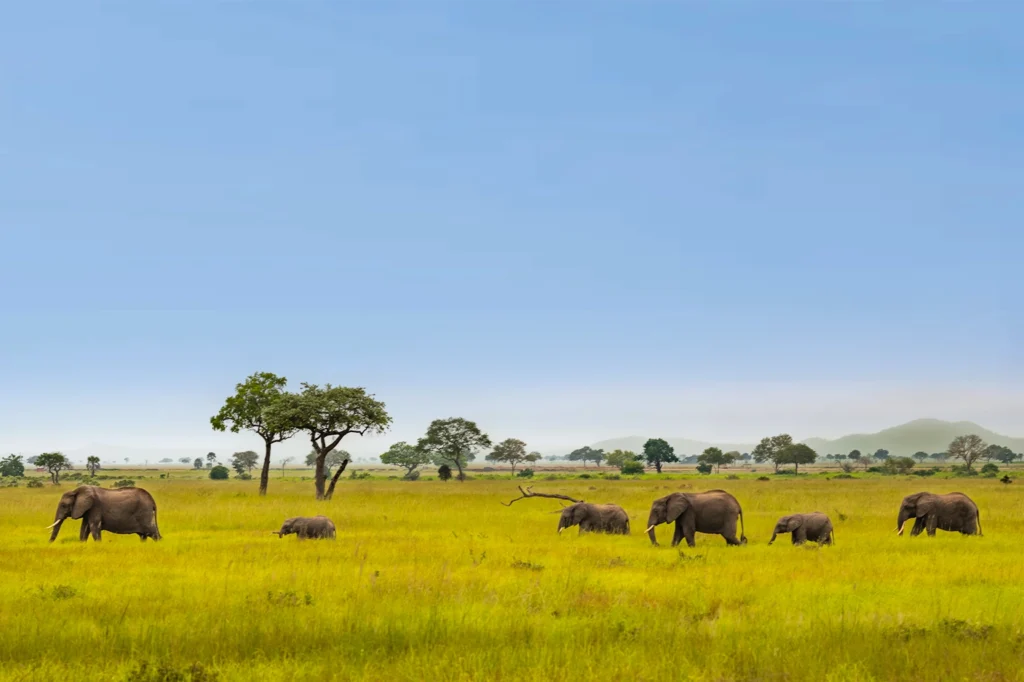
Wildlife can be seen throughout the year in Tanzania, but the experience changes with the seasons. During drier periods, vegetation can become thinner and animals may gather closer to reliable water sources.
This can make wildlife easier to find in certain areas. It is one reason why dry-season safaris are popular among travelers who want to spend much of their time looking for animals.
During wetter months, the landscape becomes greener and animals may spread across wider areas. However, the green scenery, young animals and birdlife can create a different and rewarding safari experience.
What Is the Best Time to See the Big Five in Tanzania?
The Big Five are the lion, leopard, elephant, buffalo and rhinoceros. Tanzania offers opportunities to see these famous animals in several protected areas, although sightings are never guaranteed.
The dry season can make wildlife easier to locate in some areas because animals may concentrate around water. Open vegetation can also improve visibility during game drives.
For travelers interested in the Big Five, it is useful to choose the parks as well as the season. Serengeti, Ngorongoro and other destinations offer different habitats and wildlife experiences.
When Can You See the Great Migration in Tanzania?
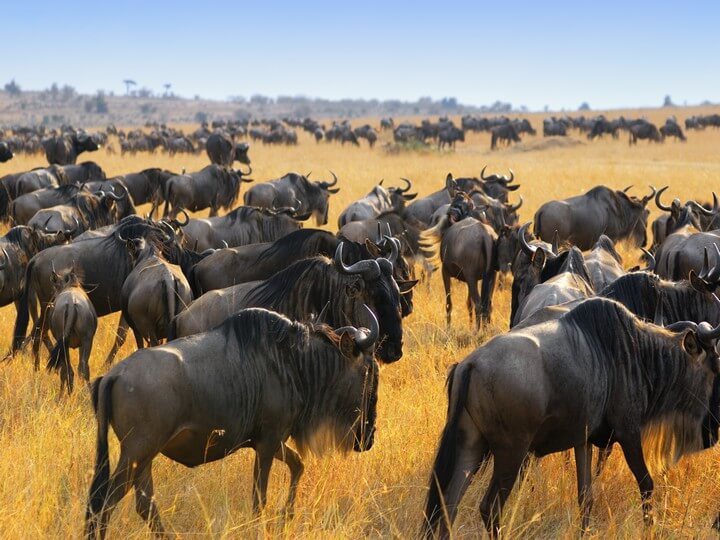
The Great Migration is one of Tanzania’s most famous wildlife experiences. Large numbers of wildebeest and other grazing animals move through the Serengeti ecosystem as they respond to changing food and water conditions.
The exact location of the herds changes throughout the year. This means that choosing a migration safari is not simply about selecting one “migration month.”
Travelers should consider which part of the migration they want to experience. The movement across the Serengeti and the dramatic river-crossing period are different experiences and can occur in different areas and periods.
Choosing the Right Season for the Great Migration
Travelers interested in the Great Migration should first decide what they want to see. Some visitors want to see large herds on the plains, while others are interested in the dramatic river-crossing areas.
The migration is a natural event, so its timing can change according to rainfall and the availability of fresh grazing. Exact dates cannot be guaranteed several months in advance.
For this reason, a good safari operator can help travelers choose an area and itinerary based on the latest seasonal conditions. The Serengeti is central to many migration-focused safari itineraries.
How Do Different Safari Parks Change Throughout the Year?
Different parks can offer different safari experiences depending on the season. Tanzania’s northern safari circuit includes famous destinations such as Serengeti National Park, Ngorongoro Crater and Tarangire National Park.
Serengeti National Park
The Serengeti is famous for its huge plains, diverse wildlife and connection with the Great Migration. It can be visited throughout the year, but the best area to visit can change depending on the season and wildlife movements.
Travelers planning a migration safari should therefore consider both the month and the part of the Serengeti they want to explore.
Ngorongoro Crater
Ngorongoro offers a very different landscape from the open Serengeti plains. Its enclosed crater environment provides opportunities to see a wide variety of wildlife during a game drive.
The crater can form an important part of a northern Tanzania safari itinerary, especially for travelers who want to combine different landscapes and wildlife habitats.
Tarangire National Park
Tarangire is well known for its elephants, baobab trees and distinctive landscapes.
The park can be particularly interesting when wildlife gathers around its water sources during drier periods. Its seasonal character makes it useful to consider when planning a northern safari route.
Can You Go on Safari in Tanzania During the Rainy Season?
Yes, you can go on safari during the rainy season. Rain does not mean that national parks close or that wildlife disappears.
The landscape can become green and attractive, while some areas may experience fewer visitors. This can create a quieter atmosphere during game drives.
However, rainfall can sometimes affect roads and travel schedules. Travelers should discuss their itinerary with their safari operator so they understand the conditions expected during their chosen travel period.
What Are the Best Months for a Tanzania Safari?
There is no single month that is perfect for every safari traveler. The best month depends on whether you are interested in general wildlife, the Great Migration, photography, fewer crowds or a combination of safari and beach activities.
The dry months are popular for general wildlife viewing, while wetter months can offer green landscapes and a quieter atmosphere. The transition periods can also provide a balance between different travel priorities.
Instead of asking only about the best month, it is better to ask what you want to see and which parks you want to visit. This makes it easier to choose a safari period that matches your interests.
What Should You Consider When Choosing the Best Time to Visit Tanzania?
Wildlife
Think about the animals you most want to see. Different parks and seasons can provide different opportunities, so your wildlife interests should influence your travel dates.
Great Migration
If the Great Migration is your main reason for visiting, plan around the movement of the herds rather than choosing a month simply because it is considered a popular safari period.
Weather
Consider whether you prefer dry conditions or green landscapes. Weather can influence road conditions, visibility, temperatures and the overall feel of your safari.
Crowds
Popular travel periods can bring more visitors to famous parks. If you prefer a quieter experience, consider traveling during a less busy period.
Budget
Safari prices can vary according to demand, accommodation type and season. Traveling during quieter periods may provide different accommodation and pricing options.
Safari Parks
Do not choose your travel month without considering your route. Serengeti, Ngorongoro, Tarangire and southern Tanzania can provide different experiences throughout the year.
Is There a Perfect Time to Visit Tanzania?
There is not one perfect time for everyone. The best time to visit Tanzania depends on your personal travel goals and the experiences you want to include.
A traveler interested in the Great Migration may choose a different period from someone who wants a quiet safari, fewer visitors or a green landscape.
The best approach is therefore to match your travel dates with your safari goals. This helps you build an itinerary around what you actually want to experience rather than simply following a general recommendation.
Frequently Asked Questions About the Best Time to Visit Tanzania
1. What is the best month to visit Tanzania for a safari?
The answer depends on your safari goals. Dry-season months are popular for wildlife viewing, while wetter months offer green scenery and a different safari atmosphere.
2. What is the best time to visit Tanzania for the Great Migration?
The Great Migration takes place throughout the year, with the herds moving through different parts of the Serengeti ecosystem. The best period depends on which stage of the migration you want to experience.
3. Is Tanzania good for safari all year round?
Yes. Tanzania offers safari experiences throughout the year, although weather, wildlife movement, vegetation and visitor numbers change between seasons.
4. What is the rainy season in Tanzania?
Tanzania has different rainfall patterns by region, but many safari areas experience wetter periods during the year. The exact timing and intensity can vary between destinations.
5. Is the rainy season bad for a Tanzania safari?
Not necessarily. Rain can create green landscapes, fewer visitors and good photography conditions. However, heavy rainfall can sometimes affect roads and travel schedules.
6. When is the best time to see the Big Five in Tanzania?
The dry season is popular for Big Five viewing because animals can be easier to locate in some areas. However, sightings are never guaranteed.
7. What is the best time to visit Serengeti National Park?
Serengeti can be visited throughout the year. The ideal period depends on whether you are interested in general wildlife viewing or a particular stage of the Great Migration.
8. What is the best time to visit Ngorongoro Crater?
Ngorongoro can be visited throughout the year. Your preferred weather, wildlife interests and overall northern safari itinerary can help determine the most suitable period.
9. Is Tanzania expensive during the high season?
Prices can be higher during periods of strong tourism demand, particularly for popular accommodation and safari services. Costs also depend on the type of accommodation and safari package.
10. How many days are enough for a Tanzania safari?
The ideal safari length depends on the parks and experiences you want to include. A longer itinerary allows travelers to explore several destinations instead of rushing through one or two parks.
Final Thoughts: Finding Your Perfect Safari Season
The best time to visit Tanzania depends on what you want from your journey. Wildlife viewing, the Great Migration, weather, crowds, budget and your chosen parks should all be considered before selecting your travel dates.
Tanzania offers something different across its seasons. Dry periods can provide excellent conditions for traditional game drives, while wetter periods can bring green landscapes, fewer visitors and a fresh perspective of the wilderness.
Rather than looking for one perfect month, choose the season that matches your interests. With the right itinerary, Tanzania can provide an unforgettable safari experience at different times of the year.
