
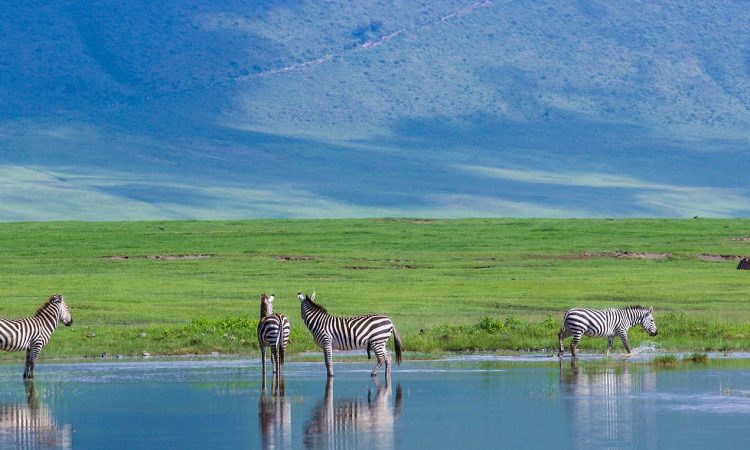
A Ngorongoro Crater safari takes you onto the floor of a collapsed volcano. The crater holds an estimated 26,000 to 28,000 large mammals in one enclosed space, according to the Ngorongoro Conservation Area Authority (NCAA).
Ngorongoro Crater is a huge, bowl-shaped valley in northern Tanzania. It formed when an ancient volcano collapsed on itself. It sits inside the Ngorongoro Conservation Area, about 180 kilometers west of Arusha. Thousands of animals live on its floor all year round. As a result, it is one of the most reliable wildlife-viewing spots in Africa.
Many people use “Ngorongoro Crater” and “Ngorongoro Conservation Area” as if they mean the same place. However, they do not. This guide clears up that confusion first. It then covers the animals, the best time to go, how many days are needed, where to stay, and how to get there.
Understanding Ngorongoro Crater and the Conservation Area
Beyond the crater floor itself, the wider Ngorongoro Conservation Area offers much more. It includes two other volcanic craters, an archaeological site nearly two million years old, and Maasai communities who have lived in these highlands for generations.
Therefore, understanding where the crater ends and the Conservation Area begins is important. It helps visitors plan their time and choose the right activities.
This guide covers the main things to know before visiting Ngorongoro. These include wildlife, attractions, Maasai communities, the best time to visit, accommodation, and how to structure your safari days.
Ngorongoro Crater vs Ngorongoro Conservation Area: What Is the Difference?
Ngorongoro Crater is one feature inside a much larger protected landscape. The crater floor covers roughly 260 square kilometers. In comparison, the full Ngorongoro Conservation Area covers about 8,292 square kilometers.
Because of this difference, the two names can sometimes cause confusion. The wider Conservation Area includes highland forests, two additional volcanic craters, Olduvai Gorge, and communities living across the highlands.
Most safari itineraries still center on the crater itself because it contains a dense concentration of wildlife. However, extra time allows visitors to explore attractions beyond the crater floor.
Where Is Ngorongoro Crater Located?
Ngorongoro Crater sits in northern Tanzania, about 180 kilometers west of Arusha. It is part of the Crater Highlands and shares this highland region with places such as Empakai and Olmoti Craters.
Its location also makes it an important stop on the Northern Circuit. Lake Manyara and Tarangire are located to the east. Meanwhile, the Serengeti lies further west.
Therefore, many travelers visit Ngorongoro as part of a longer Northern Tanzania safari. A typical route can combine several destinations rather than focusing on the crater alone.
What Are the Top Attractions Inside Ngorongoro Crater and Conservation Area?
Ngorongoro offers more than wildlife viewing. The wider Conservation Area combines volcanic landscapes, lakes, forests, archaeological sites, and cultural experiences.
Lake Magadi
Lake Magadi is a shallow soda lake on the western side of the crater floor. Flamingos often gather around its edges.
During drier periods, the lake’s mineral concentration can become higher. As a result, visitors may see large numbers of birds around the water.
1. Lerai Forest
Lerai Forest is near the eastern descent area of the crater floor. It is a groundwater forest that provides shade and cover for wildlife.
Elephants can often be seen around the forest. With patience, visitors may also spot other animals moving through the trees.
2. Shifting Sands
Shifting Sands lies along the route between Ngorongoro and Olduvai Gorge. It is a crescent-shaped dune made from black volcanic ash.
The sand slowly moves across the plains as wind pushes the fine volcanic material. Therefore, it offers an interesting example of the area’s volcanic landscape.
3. Empakai Crater
Empakai Crater lies outside the main Ngorongoro Crater in the northern highlands. It contains a deep lake surrounded by steep walls.
Visitors can explore the crater on a guided hike. In comparison with the main crater, it usually offers a quieter experience and fewer visitors.
4. Olmoti Crater
Olmoti Crater is also in the northern highlands near Empakai. It is known for its natural landscape and waterfall.
Unlike the main crater, Olmoti provides an opportunity for hiking. Therefore, it can be a good addition for travelers who want more than vehicle-based wildlife viewing.
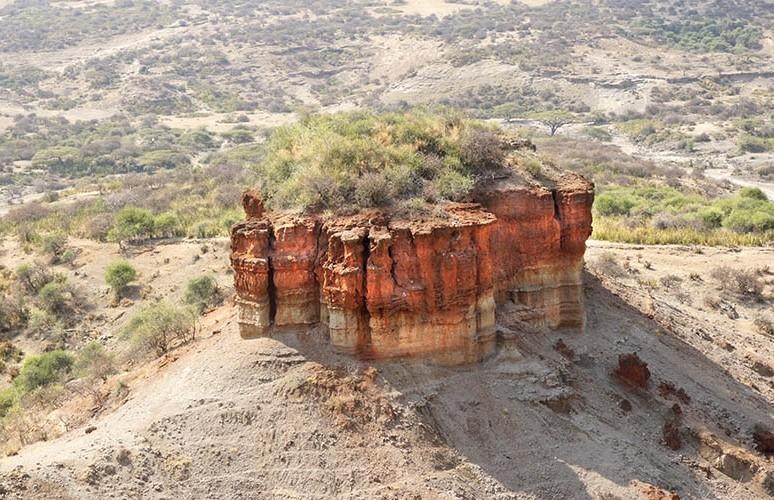
5. Olduvai Gorge
Olduvai Gorge lies along the route between Ngorongoro and the Serengeti. It is roughly 45 minutes from Ngorongoro by vehicle.
The gorge contains fossil evidence linked to human history dating back nearly two million years. Visitors can also explore a small museum and learn more from on-site guides.
6. Maasai Bomas
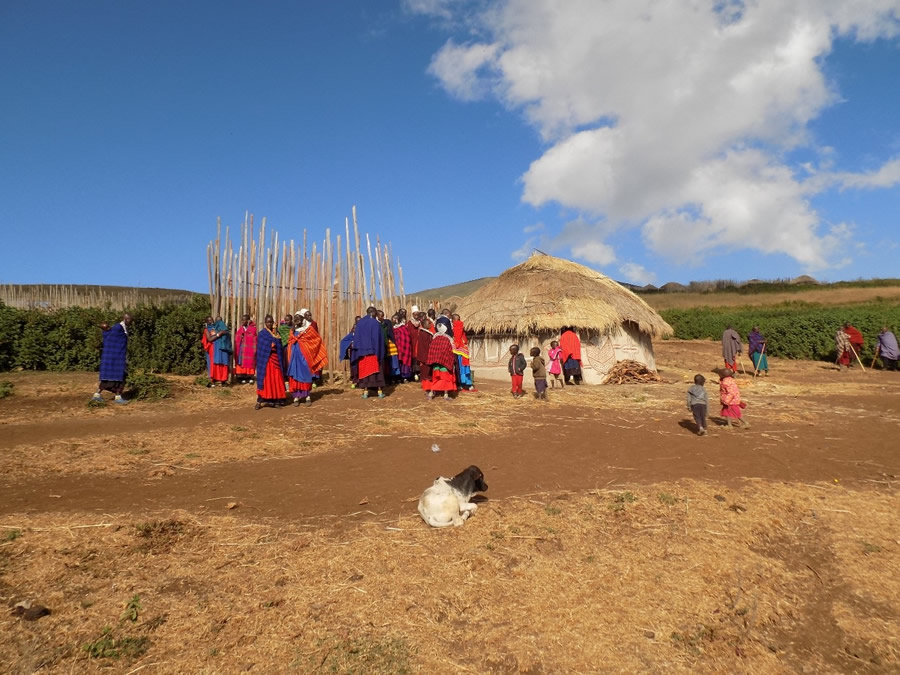
Maasai bomas are found across the highlands of the Ngorongoro Conservation Area. They provide opportunities to learn about Maasai culture and traditional ways of life.
Depending on the visit, travelers may see traditional homes, crafts, dances, storytelling, and other cultural activities.
What Animals Are Found Inside Ngorongoro Crater?
The crater floor supports an unusually dense wildlife population for its size. During a typical game drive, visitors may see lions, elephants, buffaloes, zebras, wildebeest, hippos, hyenas, gazelles, jackals, and flamingos.
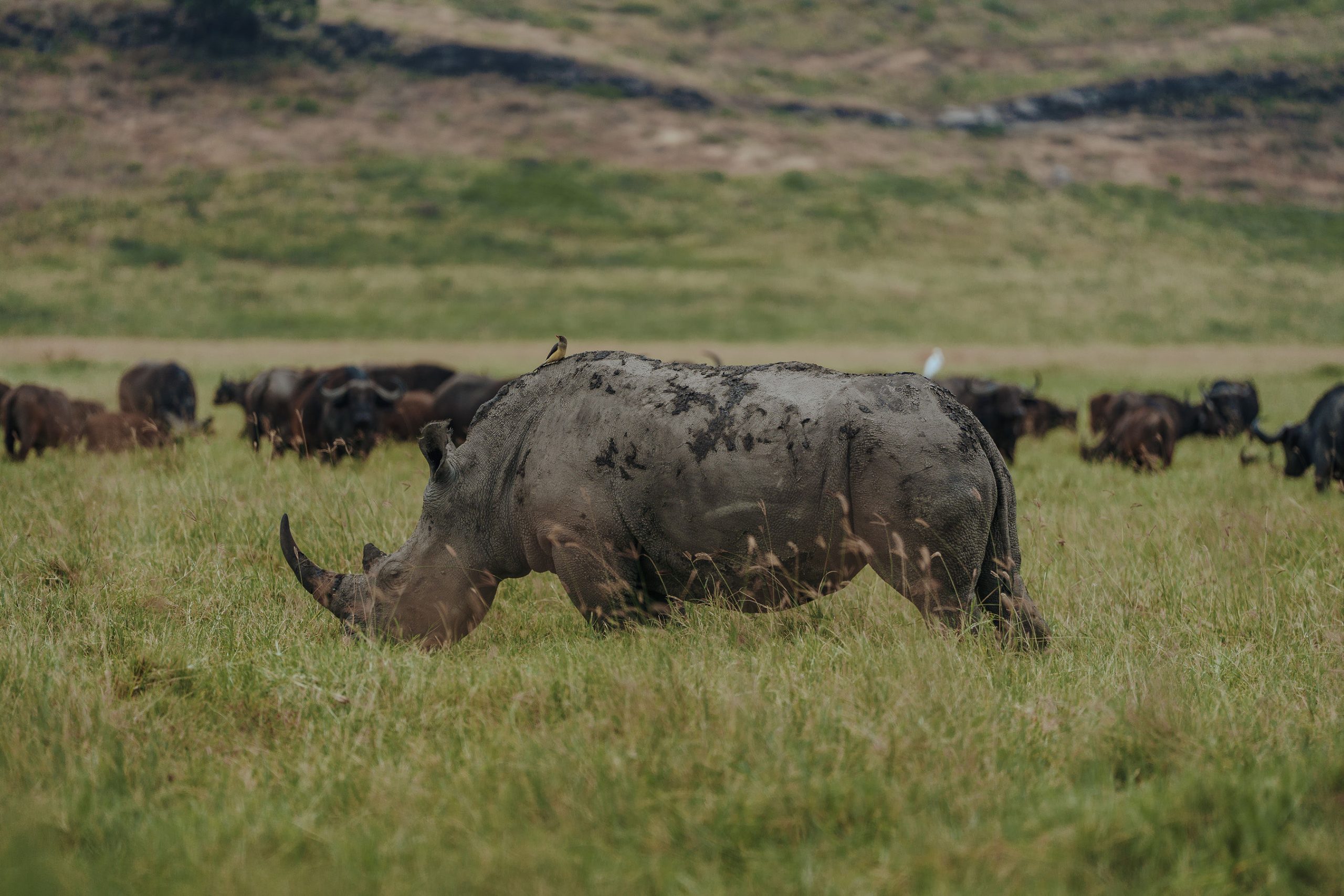
Black rhinos also live in the crater. However, their population remains small. NCAA census data recorded roughly 25 to 26 rhinos in the crater in 2023.
Historically, the crater had a much larger rhino population. Records show around 108 individuals in 1968. However, poaching later caused a major decline.
What Are the Big Five in Ngorongoro Crater?
The Big Five are lion, elephant, buffalo, leopard, and rhinoceros. Ngorongoro provides opportunities to see all five, although sightings can never be guaranteed.
Lion
Ngorongoro supports a high density of lions. The enclosed environment provides a strong prey base for these predators.
During the day, lions often rest in open grassland. In addition, early morning and late afternoon can be particularly interesting times for watching their behavior.
Elephant
Large bull elephants can wander across the crater floor. They are often seen around Lerai Forest.
Breeding herds may spend more time in the wider Conservation Area. Therefore, elephant sightings are possible both inside and outside the crater.
Buffalo
Buffaloes are common across the crater floor. Large herds often graze across the open grassland.
They may also gather around swamps and water sources. However, visitors should always maintain a safe distance because buffaloes are powerful wild animals.
Leopard
Leopards are much harder to spot than lions and buffaloes. They often stay hidden around wooded areas and forest edges.
Lerai Forest and other areas with cover can provide opportunities for sightings. However, patience and a skilled guide are important.
Rhinoceros
Rhinoceros are among the most special animals to see in Ngorongoro. The crater has a small population that NCAA closely monitors.
Because their numbers are limited, sightings require patience. A good guide can help visitors understand where rhinos are commonly found.
Can Giraffes Be Seen Inside Ngorongoro Crater?
Giraffes are generally not seen on the floor of Ngorongoro Crater. However, they can be found elsewhere in the wider Ngorongoro Conservation Area.
The NCAA lists giraffes among the wildlife found in the wider area. Therefore, visitors should not assume that giraffes are completely absent from Ngorongoro.
Giraffes are the main exception among the large animals commonly expected during a Big Five-style game drive inside the crater. For this reason, visitors should not expect to see giraffes on the crater floor itself.
Why Are Giraffes Not Found Inside Ngorongoro Crater?
The steep walls of Ngorongoro Crater make it difficult for giraffes to move into and out of the crater. Giraffes also prefer areas with trees and shrubs.
They use their long necks to reach leaves from taller vegetation. However, much of the crater floor consists of open grassland, wetlands, and low vegetation.
These habitats better suit many of the grazing animals found inside the crater. Giraffes can still be seen in other parts of the wider Conservation Area.
What Are the Main Cultural Experiences in Ngorongoro?
Ngorongoro is not only a wildlife destination. The wider Conservation Area also provides opportunities to learn about local communities and human history.
Maasai Culture and Community Experiences
A visit to a Maasai boma can introduce visitors to traditional homes, family life, and daily routines.
It also offers a respectful way to learn about a culture that is still actively practiced. Depending on the visit, travelers may see traditional houses, crafts, dances, and hear stories about Maasai life
Do Maasai Live in Ngorongoro Conservation Area?
Yes. Maasai communities live across the wider Ngorongoro Conservation Area. They do not live on the crater floor itself.
The Ngorongoro Conservation Area began operating as a multiple-use conservation area in 1959. This approach allowed wildlife conservation and traditional Maasai pastoralism to exist within the same broader landscape.
The Maasai are among the most prominent communities in the region. Their traditional way of life is closely connected to cattle keeping and grazing.
Why Do Maasai Live in Ngorongoro Conservation Area?
The Maasai have a long history in the Ngorongoro highlands. Their traditional livelihood depends heavily on livestock, especially cattle.
The grasslands and water sources across the Conservation Area provide important resources for pastoral life. Therefore, the landscape has long been closely connected to Maasai communities.
When the NCA established the area in 1959, it designed it as a multiple-use area. This allowed conservation and traditional Maasai pastoralism to continue side by side. Historical UNESCO records also describe the area as a traditional Maasai homeland.
What Is Maasai Life Like in Ngorongoro?
Maasai life centers strongly on livestock. Cattle provide food, income, and an important part of community life.
Traditional homes, clothing, beadwork, and ceremonies are also important parts of Maasai culture. These traditions continue to form an important part of community identity.
Visitors can learn about this culture through cultural boma visits. These experiences can include traditional homes, storytelling, dancing, and local crafts.
Olduvai Gorge: Exploring the Origins of Human History
Olduvai Gorge is one of the most important archaeological sites in the region. Fossils found in the area date back nearly two million years.
Visitors can learn about important discoveries through the museum and on-site guides. As a result, a visit to Olduvai can add a human-history perspective to a wildlife safari.
Exploring the Crater Floor
The crater floor contains several different habitats within a relatively small area. Open grassland supports large grazing herds, while Lake Magadi attracts flamingos.
Lerai Forest provides cover for elephants and other wildlife. In addition, swamps near the forest can remain wet during the dry season.
These different habitats help explain why so many animal species can be seen during one game drive. Therefore, exploring the crater floor is one of the main highlights of a Ngorongoro safari.
The Best Time to Visit Ngorongoro Crater
Ngorongoro offers strong wildlife viewing throughout the year. Its enclosed floor helps keep many animals within a relatively small area.
The dry season runs from June to October and again from December to March. During this period, visitors can expect clearer skies and generally easier road conditions.
The wetter months of April and May bring more rain and usually fewer visitors. Therefore, travelers who prefer quieter conditions may consider these months. Those prioritizing drier conditions may prefer the dry season.
How Many Days Are Needed for a Ngorongoro Safari?
One day can be enough for a focused crater-floor game drive. This option works well for travelers with limited time.
With two days, visitors have more time for additional experiences. For example, they can combine a crater game drive with a cultural visit or Olduvai Gorge.
Three or more days can work well when Ngorongoro is combined with the Serengeti, Tarangire, or Lake Manyara. This approach also fits well into a longer Northern Circuit safari.
Where to Stay Near Ngorongoro Crater?
Accommodation around Ngorongoro can be divided into two main areas. Visitors can stay on the crater rim or in Karatu.
The right area depends on budget, preferred experience, and how much time is available for the safari.
Accommodation on the Crater Rim
Rim lodges offer views toward the crater and provide a short morning drive to the crater floor.
Because of their location and views, many rim properties sit at the luxury end of the market. They can also be useful for travelers who want to start their crater visit early.
Accommodation in Karatu
Karatu is located a short drive from the Conservation Area’s entrance gate. It offers a wider range of accommodation and pricing.
Because Karatu is outside the NCA fee zone, it can also be a practical option for travelers looking for different accommodation choices.
How to Get to Ngorongoro Crater?
Most visitors reach Ngorongoro by road from Arusha. The journey covers about 180 kilometers and usually takes around three to four hours.
From Kilimanjaro International Airport, travelers normally reach Arusha first. From there, the journey continues toward Ngorongoro.
Ngorongoro also connects by road with other Northern Circuit destinations. These include the Serengeti, Tarangire, and Lake Manyara. Therefore, it is easy to include the crater in a wider Tanzania safari route.
Frequently Asked Questions About Ngorongoro Crater
How much does a Ngorongoro safari cost?
The cost depends on the season, accommodation level, and length of the trip. Transport and the destinations included can also affect the final price.
Tell us your dates and travel style, and we can prepare a detailed quote.
Is Ngorongoro Crater suitable for families?
Yes. Game drives are mainly vehicle-based, with limited walking required.
The high concentration of wildlife can also make the experience interesting for children. However, families should still follow their guide’s safety instructions throughout the safari.
Can you visit Ngorongoro Crater and the Serengeti together?
Yes. The two destinations are commonly combined on Northern Circuit safaris.
Combining them also gives travelers the opportunity to experience the different landscapes and wildlife experiences offered by each destination.
What’s the weather like?
The crater rim is cool because of the high altitude. The crater floor is usually warmer.
Therefore, it is useful to carry a light jacket for early morning activities, even during warmer months.
Can you visit a Maasai village from Ngorongoro?
Yes. Several Maasai bomas across the wider Conservation Area welcome visitors.
A cultural visit can be added to a wider Ngorongoro itinerary. It provides an opportunity to learn about traditional homes, livestock keeping, crafts, storytelling, and daily life.
Conclusion
Ngorongoro Crater stands out because of its high concentration of wildlife within one enclosed landscape. Visitors may see several animal species and potentially four or five of the Big Five during a single day.
However, the wider Ngorongoro Conservation Area offers much more than the crater floor. It includes ancient human history at Olduvai Gorge, Maasai communities across the highlands, and other volcanic landscapes such as Empakai and Olmoti.
For this reason, Ngorongoro can combine wildlife, geology, culture, and history in one safari destination. Tell us your dates, and we can show you how to structure your Ngorongoro experience as part of a Northern Circuit safari.
